A toilet that runs, clogs, rocks, or refuses to flush does not always need to be replaced. The most useful first step is matching the symptom to the right part of the system: the tank mechanism, the bowl and trap, the supply connection, the base seal, or the branch drain. This Ottawa toilet repair guide focuses on diagnosis and safe next steps—not guesswork or replacing parts that may not be causing the problem.
The keyword data supplied for this project shows a local opportunity for toilet service searches: “toilet repair Ottawa” has an estimated 140 monthly searches and keyword difficulty of 11 in the snapshot, while “emergency toilet pipe replacement Ottawa” shows 210 searches and difficulty 14. Those figures are third-party estimates, not guaranteed traffic. They indicate useful search intent, but helpful diagnosis, accurate local guidance, and a clear service path matter more than repeating exact phrases.
Key Takeaways
- Stop flushing if the bowl is rising; repeated attempts can turn a slow drain into an overflow.
- A tank that runs or refills on its own may have an internal mechanism issue, but confirm before replacing parts.
- A loose bowl, cracked porcelain, repeated clogs, or multiple affected fixtures needs more than a quick adjustment.
- A like-for-like repair differs from moving a fixture or changing drainage; check Ottawa permit guidance for project-specific work.
- Use a qualified plumber for unsafe shutoffs, sewage, recurring blockages, or plumbing changes beyond a simple visual check.
Start with the symptom
Common toilet problems beyond a visible leak
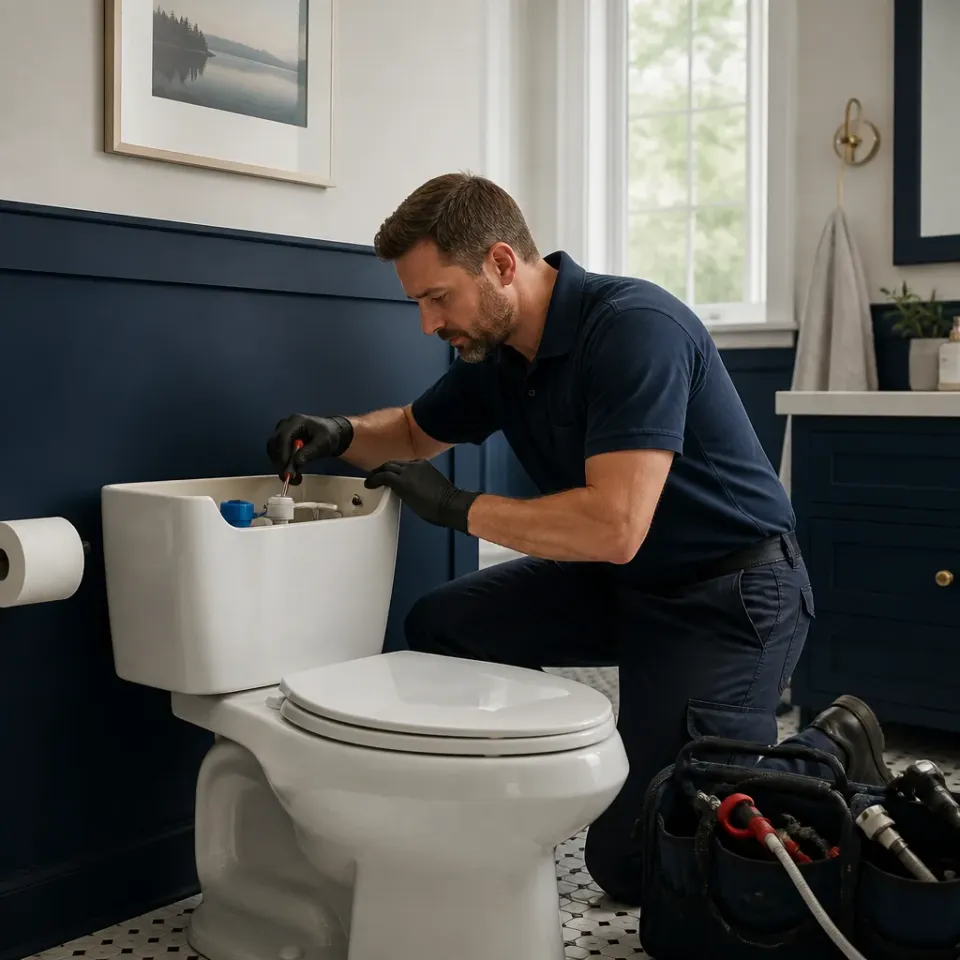
Toilet trouble often begins as a small change: a handle feels loose, a flush takes two attempts, the tank refills at night, or the bowl water level looks different. A toilet has several connected parts, and symptoms can overlap. A weak flush may come from a tank adjustment, a blocked bowl passage, a partial drain restriction, or an issue that affects several fixtures. Replacing one visible part without testing can leave the real cause untouched.
Running or cycling tanks commonly call attention to the fill or flush mechanism. A handle that moves without resistance can be disconnected from the lift chain. A toilet that rocks can indicate loose mounting or a compromised floor connection, not a simple cosmetic issue. A bowl that repeatedly clogs, especially when other drains gurgle, calls for a broader drain assessment. These conditions are different from the water-at-the-tank or water-at-the-base problems covered in our separate guide to diagnosing a leaking toilet.
Record when the issue happens and what else is going on: does the tank refill without use, does the bowl rise before draining, does the problem follow laundry or shower use, and are nearby fixtures slow? Note whether the toilet is a newer low-flow model, whether it has been recently installed, and whether the problem began after renovation work. This brief history helps a plumber distinguish a fixture problem from a shared drain or venting issue.
| Symptom | Possible area to investigate | Why diagnosis matters |
|---|---|---|
| Handle moves but little happens | Handle arm, chain, flush lever, or valve | A simple disconnect differs from a damaged flush assembly. |
| Weak or incomplete flush | Tank level, flush valve, bowl passages, drain | Adjusting the tank will not clear a restriction farther downstream. |
| Bowl clogs repeatedly | Trapway, branch drain, flushing performance, use pattern | Recurring blockage can signal a shared or deeper drain problem. |
| Toilet rocks or shifts | Mounting, flange, floor, or connection | Continued movement can damage the seal and surrounding floor. |
| Several fixtures gurgle or back up | Building drain or sewer connection | A single toilet repair may not resolve a system-level restriction. |
Safe checks before you call a plumber
Start with the area around the toilet. If water is spreading, stop using the fixture and protect nearby items. If the bowl is close to overflowing, do not flush again. A small shutoff valve is usually located on the wall or floor near the toilet. Turn it clockwise only if it moves normally; old valves can seize or leak when forced. If it resists, drips, or feels fragile, leave it alone and get help rather than using pliers.
When the floor is dry and the toilet is not overflowing, you can observe a tank symptom without dismantling anything. Note whether the water level is unusually high or low, whether it refills after nobody has used the toilet, and whether the handle or chain appears visibly disconnected. Do not place fingers into a mechanism if you are unsure how it works, and do not flush a dye or cleaning product as a diagnostic shortcut unless a trusted source explicitly says it is suitable for that toilet's materials.
For a clog, a correctly sized toilet plunger may help with a single ordinary blockage, but stop if the bowl is already high, the plunger causes splashing, or plunging does not improve flow. Avoid chemical drain cleaners in toilets; they can expose you or a future technician to caustic liquid and may not remove the obstruction. Do not push a metal hanger into the trap, as it can scratch porcelain or become lodged.
Make the area safe
Keep children away, dry the floor if it is safe to do so, and avoid contact with wastewater.
Stop adding water
Do not flush a rising bowl. Close the supply valve only if it turns easily and does not leak.
Observe, do not dismantle
Note tank refill behaviour, handle movement, bowl level, and whether nearby drains are affected.
Avoid risky shortcuts
Skip caustic drain chemicals, improvised metal tools, and force on old shutoff valves.
Call with useful details
Tell the plumber whether the toilet is overflowing, whether other fixtures are slow, and what safe steps you tried.
Flush, refill, and performance issues
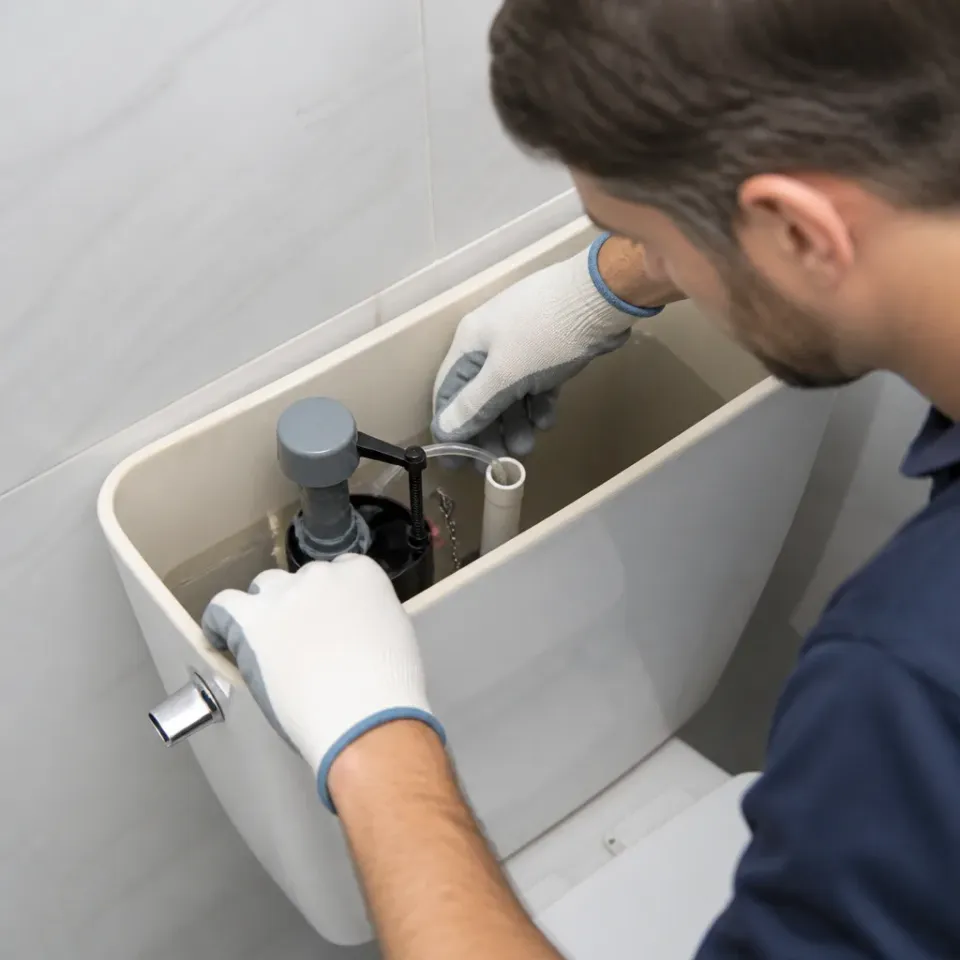
A toilet flush depends on the right amount of water entering the bowl at the right time. Inside the tank, the handle lifts a chain or linkage, a valve releases tank water, and the fill mechanism restores the water level. If a chain is tangled, a seal is worn, or a float is incorrectly set, the sequence may be interrupted. Modern toilets also vary by model; a part that looks similar may not be compatible with the flush valve or tank.
If the flush is weak but the tank appears to refill, do not assume more tank water is always the answer. Mineral scale, debris, blocked rim openings, a damaged flush valve, or a partial obstruction can change performance. Older or low-flow fixtures may behave differently, and replacing components with generic parts can affect the designed flush. A plumber can inspect the model, verify the tank operation, and test the bowl and drain before recommending an adjustment or repair.
Occasional refilling without use can waste water even when there is no visible puddle. The Canada Mortgage and Housing Corporation's household water-efficiency guide notes that toilet flapper leaks can be hidden and may be suggested by a toilet refilling when it has not been used. That source is general household guidance, not an Ottawa-specific repair quote. If you suspect a concealed tank leak, ask a professional to confirm the seal and fill mechanism before replacing the entire toilet.
A noisy toilet may simply be a fill valve operating, but a sharp bang after the valve closes could point to water hammer or pipe movement. Persistent gurgling can suggest a drain or vent issue rather than a tank problem. The pattern matters: one toilet making noise is different from several fixtures behaving abnormally at once. For broader flow symptoms, see our guide to diagnosing low water pressure, while remembering that pressure in the water supply and flow through a drain are different systems.
Clogs, repeat blockages, and warning signs
A one-time clog after too much toilet paper is not the same as a toilet that blocks repeatedly under normal use. Recurring stoppages may come from an obstruction in the toilet trap, unsuitable items in the line, a damaged or poorly performing fixture, or a restriction in the branch drain or building sewer. A plumber may need to clear the line with the correct equipment and, where the symptoms justify it, inspect the pipe to find a structural issue.
Watch for clues beyond the toilet: bubbling in a nearby tub, a floor drain that smells or rises, several fixtures slowing together, or a backup that appears when a washing machine discharges. These symptoms can indicate a shared drainage route. A plunger may clear a local blockage but cannot repair a broken sewer line or remove roots deep in the lateral. Our Ottawa sewer-line and tree-root guide explains why recurring drain trouble deserves a broader assessment.
If a clog returns within a short time, write down what was flushed, which fixtures were affected, and how the line was cleared. Ask whether the technician found a localized obstruction or a continuing cause. Repeating the same quick fix can increase cost and delay the repair that would actually prevent another backup.
Toilet repair or replacement: how to decide
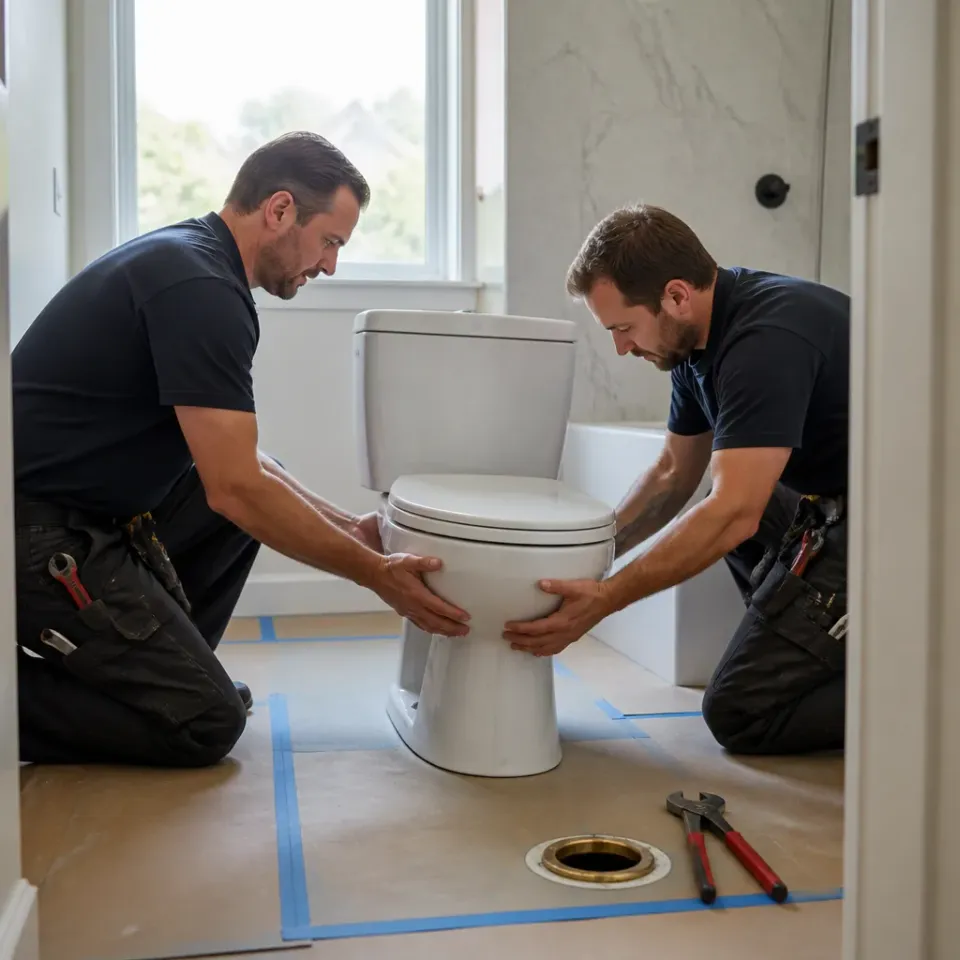
A repair is often sensible when the porcelain is sound, the bowl is stable, compatible parts are available, and the fault is isolated to a replaceable mechanism or connection. Replacement becomes more attractive when the bowl or tank is cracked, the fixture rocks because the mounting or floor is compromised, flush performance remains poor after diagnosis, or repairs keep returning. A new toilet also may be appropriate during a planned bathroom update, but changing the fixture should not conceal a damaged flange, floor, or drain.
Compare the full scope rather than the price of a single part. For repair, include diagnosis, components, labour, testing, and any floor or seal work. For replacement, include removal, disposal, supply connections, flange condition, installation, testing, and any finish repairs. If the bathroom layout is changing, include permit and inspection questions before work starts. Ottawa's current building-permit guidance should be checked for alterations; do not assume a move or new drain branch is the same as swapping a fixture in place.
| Repair may fit when… | Replacement may fit when… | Ask the plumber… |
|---|---|---|
| The porcelain is intact and the fault is a serviceable part. | The bowl or tank has a crack or persistent structural damage. | What failed, and can the existing fixture be repaired safely? |
| The toilet is stable and compatible parts are available. | The fixture rocks or the mounting/floor needs correction. | Does the floor, flange, or connection need work too? |
| A single mechanism issue explains the symptom. | Repeated repairs have not resolved the problem. | What tests show the proposed replacement addresses the cause? |
| The flush is acceptable after a targeted repair. | A renovation or accessibility plan calls for a different model. | Will fit, rough-in, clearance, and drainage be checked? |
When toilet trouble is an emergency
Treat an overflowing toilet, a supply line spraying water, sewage backing up, or water spreading toward electrical equipment as urgent. If a nearby shutoff works easily, turn it clockwise; if it is corroded or stuck, do not force it. Stop using the toilet and other fixtures that may drain into the affected line. Keep people and pets away from wastewater and call an Ottawa plumbing professional.
A hairline crack in a tank or bowl can worsen without warning. If you see a crack or water collecting around the fixture, stop using it and arrange an assessment rather than attempting a glue repair. A toilet that rocks after a recent installation also warrants prompt attention because continued movement can damage the seal and floor. If the surrounding floor feels soft, smells persistently, or shows staining, explain that when booking.
During a plumbing emergency, avoid guessing that the toilet is the only issue. A sewage backup or repeated overflow may relate to the building drain or sewer connection. Our emergency plumbing checklist covers immediate actions that limit risk while professional help is arranged.
What affects the cost of toilet repair in Ottawa?
There is no single reliable price for every toilet repair. The total depends on what failed, whether the part is model-specific, how accessible the shutoff and connections are, whether the toilet must be removed, and whether the flange, floor, or drain also needs work. A routine tank adjustment differs significantly from clearing a main drain, repairing a broken flange, or replacing a fixture in a finished bathroom.
Before authorizing work, ask whether the visit includes diagnosis, parts, labour, testing, and cleanup. Find out whether there is a service-call fee, after-hours rate, or minimum charge, and request approval before work expands beyond the original problem. A written estimate should distinguish confirmed work from possible hidden damage. For broad local planning context, see our Ottawa plumbing cost guide.
If the bowl is being replaced, compare like for like: toilet, seat, supply line, shutoff valve if needed, removal, disposal, installation, testing, and any floor repairs. Ask whether the quote assumes the existing flange is serviceable. It is reasonable to request the technician to explain the evidence for a repair-versus-replace recommendation rather than making that choice from a broad estimate alone.
Choosing a toilet repair plumber in Ottawa
Look for a plumber who asks what the toilet is doing, whether other fixtures are affected, and whether the problem is active. A useful appointment begins with diagnosis and an explanation of the repair options. Ask who will perform the work, how the scope is priced, what parts are included, and what workmanship warranty applies. For projects that alter piping or move a fixture, confirm the applicable City requirements before work begins.
In Ontario, plumbing is a compulsory skilled trade. Skilled Trades Ontario explains the plumber trade and provides a public register for checking skilled-trades credentials. Ask about liability insurance and the business's service terms as well. For practical symptom-first information, this Ottawa plumbing repair field guide is another homeowner resource; use it alongside professional diagnosis when the issue is active or recurring.
A professional assessment should make clear whether the problem is inside the tank, at the toilet connection, or farther down the drain. When the work does require a qualified technician, licensed Ottawa plumbers can assess the fixture and explain repair options for your home.
Prevent repeat toilet problems
Flush only toilet paper and human waste unless the fixture manufacturer and local wastewater guidance explicitly say otherwise. “Flushable” wipes and hygiene products can contribute to blockages in household plumbing and municipal systems. Keep the shutoff accessible, do not store heavy items that can strike the bowl, and include the toilet in periodic visual checks for rocking, cracks, water marks, or a tank that refills unexpectedly.
If a fixture has repeated issues, keep service records and model details instead of replacing the same component repeatedly. A routine plumbing check can identify deteriorating supply connections and loose fixtures before they cause damage; see our annual Ottawa plumbing inspection guide. For new fixtures or a bathroom refresh, our toilet and faucet upgrade planning guide explains fit, project scope, and installation questions.
The goal of toilet repair in Ottawa is not simply to stop a symptom for a day. It is to understand why the toilet behaved that way, restore safe and reliable operation, and identify any drain or floor issue that could return. A clear explanation and written scope make it easier to decide whether a targeted repair, a replacement, or a broader plumbing assessment is the right next step.