Key Takeaways
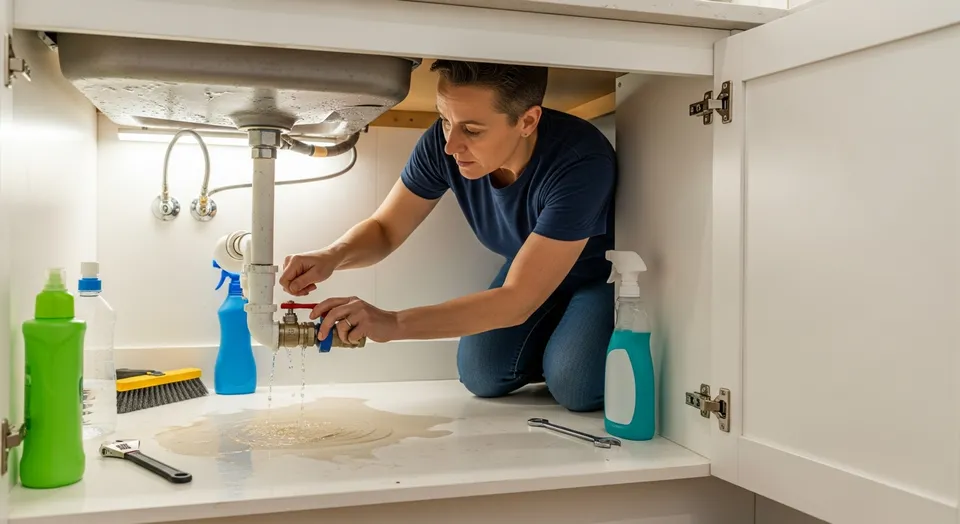
- Shut off the water first — the fixture valve for small leaks, the main valve for burst pipes or flooding.
- Know where your main shut-off valve is BEFORE an emergency (usually basement, near the water meter).
- Turn off your water heater if you shut off the main supply or the heater itself is leaking.
- A gas smell near a gas water heater is a life-safety emergency — leave and call 911 and your gas utility.
- Calling a 24/7 emergency plumber promptly almost always costs less than the water damage of waiting.
Plumbing Emergency? Stay Calm and Act Fast
A plumbing emergency — a burst pipe spraying water, a toilet overflowing onto the floor, a basement starting to flood — is stressful precisely because every second feels like it's making the damage worse. And to a point, it is: the faster you act in the first few minutes, the less damage your home will suffer.
The good news is that almost every plumbing emergency follows the same first response: stop the water, contain the damage, and call a professional. This guide walks you through exactly what to do, in order, before your emergency plumber arrives — plus how to handle the most common scenarios and what mistakes to avoid.
If you're in an active emergency right now, call our 24/7 Ottawa emergency plumbers at (613) 706-2303 — then keep reading for the steps to take while help is on the way.
Step 1: Shut Off the Water
This is the single most important thing you can do. There are two levels of shut-off:
Fixture shut-off (for a single leak)
If only one fixture is the problem — a toilet, sink, or supply line — turn the small valve directly beneath or behind it clockwise until it stops. This isolates that fixture without cutting water to the whole house.
Main shut-off (for major leaks)
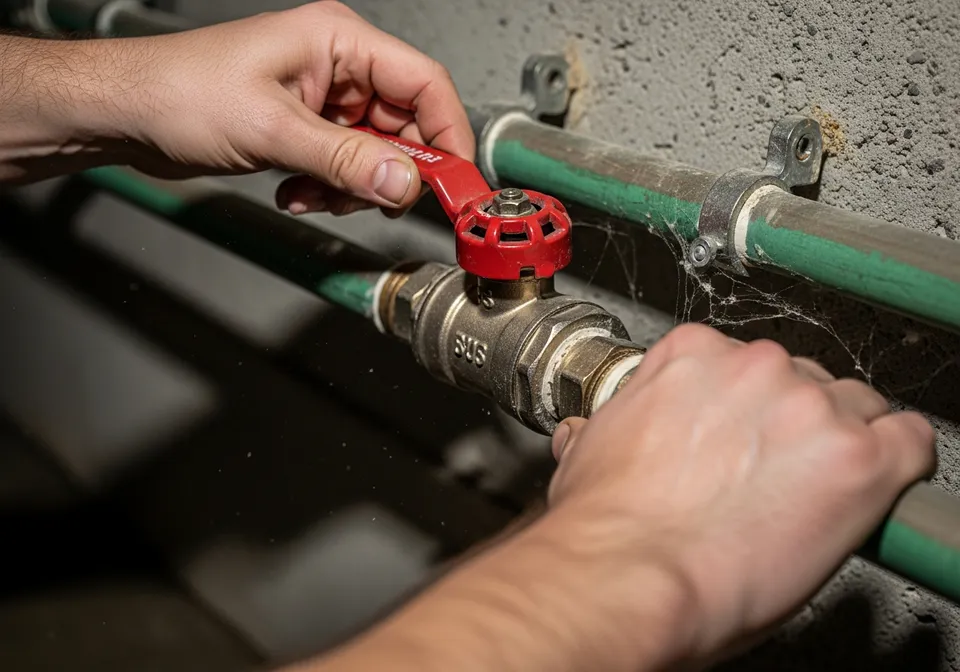
For a burst pipe, flooding, or a leak you can't isolate, find your main water shut-off — usually in the basement where the water line enters, near the meter. Turn a wheel valve clockwise or a lever a quarter-turn to stop all water.
Shut off the water heater
If you've closed the main valve, turn off the water heater so it doesn't heat an empty tank. Switch off its breaker (electric) or set it to pilot/off (gas).
12 Things to Do Before the Plumber Arrives
- Shut off the water at the fixture or main valve (see above).
- Turn off the water heater if you've cut the main supply.
- Call a 24/7 emergency plumber and describe the problem clearly.
- Cut power to affected areas at the breaker if water is near outlets or appliances — only if you can reach the panel safely and dry.
- Move valuables and furniture away from the water.
- Contain the water with towels, buckets, and a mop or wet/dry vacuum.
- Open a drain — for an overflowing toilet, take the tank lid off and push the flapper closed to stop the flow.
- Relieve pressure by opening outside taps and lowest faucets after the main is off, draining residual water away from the leak.
- Document the damage with photos and video for your insurance claim.
- Don't use affected fixtures — stop flushing toilets if it's a sewer backup.
- Ventilate the area to reduce humidity and start drying.
- Clear access so the plumber can reach the problem quickly when they arrive.
Why Speed Matters
Handling Common Emergencies
Burst pipe
Shut off the main valve immediately, then open faucets to drain the remaining water and relieve pressure. Catch leaking water and call a plumber. See our burst pipe repair guide for details.
Frozen pipe
If a pipe is frozen but not yet burst, shut off the main as a precaution, open the affected faucet, and gently warm the pipe with a hair dryer or towels soaked in warm water — never an open flame. Our frozen pipe guide covers Ottawa winters in depth.
Overflowing toilet
Take off the tank lid and press the flapper down to stop water entering the bowl, or close the toilet's shut-off valve. Don't keep flushing. If multiple drains are backing up, it may be a sewer line issue — see sewer line repair.
Sewage backup
Stop using all water, keep people and pets away from the contaminated area, and call a plumber immediately. Sewage is a health hazard and needs professional handling.
Water heater leak
Shut off the heater's water supply and its power or gas. See our water heater guide to understand repair vs replacement.
What Counts as a Plumbing Emergency?
| Call Immediately (Emergency) | Can Often Wait (Standard Service) |
|---|---|
| Burst pipe or major leak | Slow-dripping faucet |
| Flooding or rising water | Running toilet |
| Sewage backup | Slow drain |
| No water in the house | Low water pressure at one tap |
| Overflowing toilet that won't stop | A toilet that occasionally clogs |
| Leaking or failed water heater | Water heater due for replacement |
When in doubt, call. A reputable emergency plumber can advise over the phone whether it can wait until morning or needs immediate attention.
What NOT to Do
- Don't pour chemical drain cleaners into a fully blocked drain — they can damage pipes and create hazards for the plumber.
- Don't use electrical appliances in standing water.
- Don't ignore a small leak hoping it stops — it rarely does, and damage compounds.
- Don't attempt gas water heater repairs yourself.
- Don't keep flushing a toilet during a sewer backup.
Build a Plumbing Emergency Kit
The difference between a minor incident and major water damage often comes down to how fast you can respond — and that depends on having a few basics on hand before disaster strikes. Assemble a small plumbing emergency kit and store it somewhere everyone in the household knows, ideally near the main shut-off valve.
- A pipe/water-key wrench — to operate stiff main valves and tighten fittings.
- Towels, rags, and a roll of paper towel — for immediate containment.
- A bucket or two — to catch dripping or leaking water.
- A wet/dry shop vacuum — the fastest way to remove standing water.
- Heavy-duty paper tape or pipe-repair clamp — to temporarily slow a leak until the plumber arrives.
- A flashlight and work gloves — shut-offs are often in dark basement corners.
- Your plumber's number, posted nearby — including a 24/7 line you trust.
Equally important is a small amount of knowledge: make sure every adult in the home knows where the main shut-off is, where the breaker panel is, and how to turn off the water heater. A five-minute household walkthrough is the cheapest insurance you'll ever buy.
Insurance and Documenting the Damage
Water damage is consistently among the most common and costly home insurance claims in Canada. How you document and respond to an emergency can directly affect whether — and how fully — a claim is paid, so it's worth understanding the basics before you ever need them.
Document before you clean up
Once you've stopped the water and you're safe, take clear photos and video of everything: the source of the leak, the standing water, and every damaged item and surface. Don't throw anything away until your insurer has seen it. This evidence is the foundation of your claim.
Act to prevent further damage
Most home insurance policies require you to take reasonable steps to mitigate further damage — which is exactly why shutting off the water, removing standing water, and starting to dry the area matters not just practically but for your claim. Keep receipts for emergency repairs and supplies; these are often reimbursable.
Understand what's typically covered
Sudden, accidental events like a burst pipe are usually covered, while damage from long-term neglect or gradual leaks often is not — another reason fixing small leaks early matters. Sewer backups frequently require a separate endorsement. Review your policy now, not during a crisis, and call your provider's claims line as soon as the situation is under control. A licensed plumber's invoice and report also help substantiate the cause for your insurer.
Emergency Plumbing Costs in Ottawa
Emergency and after-hours plumbing costs more than scheduled service because of the immediate, off-hours response. Expect a service/call-out fee plus hourly labour, with the total depending on the repair. While higher than standard rates, prompt emergency service almost always costs less than the water damage caused by waiting. For typical pricing across all services, see our Ottawa plumbing cost guide.
Our team and our trusted partner Plumbing Now provide 24/7 emergency plumbing across Ottawa, including Orleans, Barrhaven, Kanata, Nepean, and Gloucester.
Seasonal Emergencies in Ottawa
Ottawa's dramatic seasons drive predictable spikes in certain plumbing emergencies. Knowing what each season tends to bring lets you prepare for the most likely failures before they happen.
Winter: frozen and burst pipes
By far the biggest seasonal risk. When temperatures plunge below freezing for extended stretches, water in poorly insulated pipes can freeze, expand, and split the pipe — often in exterior walls, basements, crawl spaces, and unheated garages. The damage frequently isn't discovered until the thaw, when the split pipe begins to leak. Keep your home heated even when away, insulate vulnerable pipes, let a tap drip on the coldest nights, and disconnect outdoor hoses before winter. Our frozen pipe guide covers this in detail.
Spring: sump pumps and sewer backups
Snowmelt and heavy spring rain put enormous demand on sump pumps and can overwhelm sewer systems, causing basement flooding and sewer backups. Before spring, test your sump pump, consider a battery backup, and ask about a backwater valve if your area is prone to backups.
Summer: high usage and outdoor plumbing
More guests, more laundry, and heavy outdoor water use stress your system. Hose bibs, irrigation lines, and aging fixtures are common summer trouble spots. It's also the easiest season to schedule preventive inspections and replace aging equipment on your terms.
Fall: prepare before the freeze
Fall is your window to prevent winter disasters. Drain and shut off outdoor faucets, service the water heater before peak demand, clear any slow drains, and have your heating-adjacent plumbing checked. A small amount of fall preparation prevents the most expensive emergencies of the year.
Preventing Future Plumbing Emergencies
- Know your shut-off valves — main and fixture-level — and label them.
- Winterize for Ottawa cold — insulate pipes, disconnect hoses, keep heat on when away.
- Don't treat drains as garbage cans — grease, wipes, and food cause backups.
- Service aging equipment — replace water heaters and pumps before they fail.
- Schedule periodic inspections — a camera inspection catches sewer problems early.