Key Takeaways
- Ottawa's FAQ places the City/private service-line boundary at the water shut-off valve; confirm the exact point and scope before work.
- A symptom such as low pressure or a wet patch is a clue, not proof that the buried service line has failed.
- Ask the City which permit, approval, and inspection steps apply to the actual proposed work.
- Request public utility locates and wait for responses before excavation; private infrastructure may need separate locating.
- Do not rely on generic online prices or a home's age alone to decide whether a water service line needs repair or replacement.
What a water service line does—and why repair questions get confusing
A water service line is the connection that brings municipal drinking water from the City watermain toward a building. It is different from the network of supply pipes inside the home, and it is also different from the larger watermain serving a street. When a homeowner searches for “water line repair in Ottawa,” the problem might be inside the house, on the private service portion, on public infrastructure, or a temporary interruption. Those situations do not have the same owner, permit path, or repair scope.
The most useful first step is to establish what is known: which fixtures are affected, whether the issue is constant or intermittent, where water appears, and whether the City has issued a service notice. A sudden loss of water across a whole property is not enough on its own to diagnose a private-line failure. A wet patch outside can have other causes, and a pressure change may originate inside the home. Avoid digging, opening walls, or arranging a replacement based only on a symptom.
This guide focuses on ownership, safe triage, and planning a site-specific repair. It does not duplicate our Ottawa pipe-replacement service page, which covers broader repiping and replacement work. If your main question is a sudden pressure change, our low water pressure troubleshooting guide explains other possible causes.
If your problem starts during a cold snap and your taps have stopped flowing, see our guide to Ottawa frozen water service pipes and what to do for the City 3-1-1 process and address-specific run-water notices.
Before a water service line is opened: plan in four stages
A practical sequence for Ottawa homeowners to organize the problem and confirm responsibilities before excavation.
Record the symptoms
Note which taps are affected, when the issue began, visible water, meter behaviour, and any City notices.
Confirm the boundary
Ask Ottawa where the public portion ends for the property and which department should handle the reported issue.
Confirm approvals
Ask what permit, inspection, connection, or road-related approvals apply to the actual scope.
Locate before digging
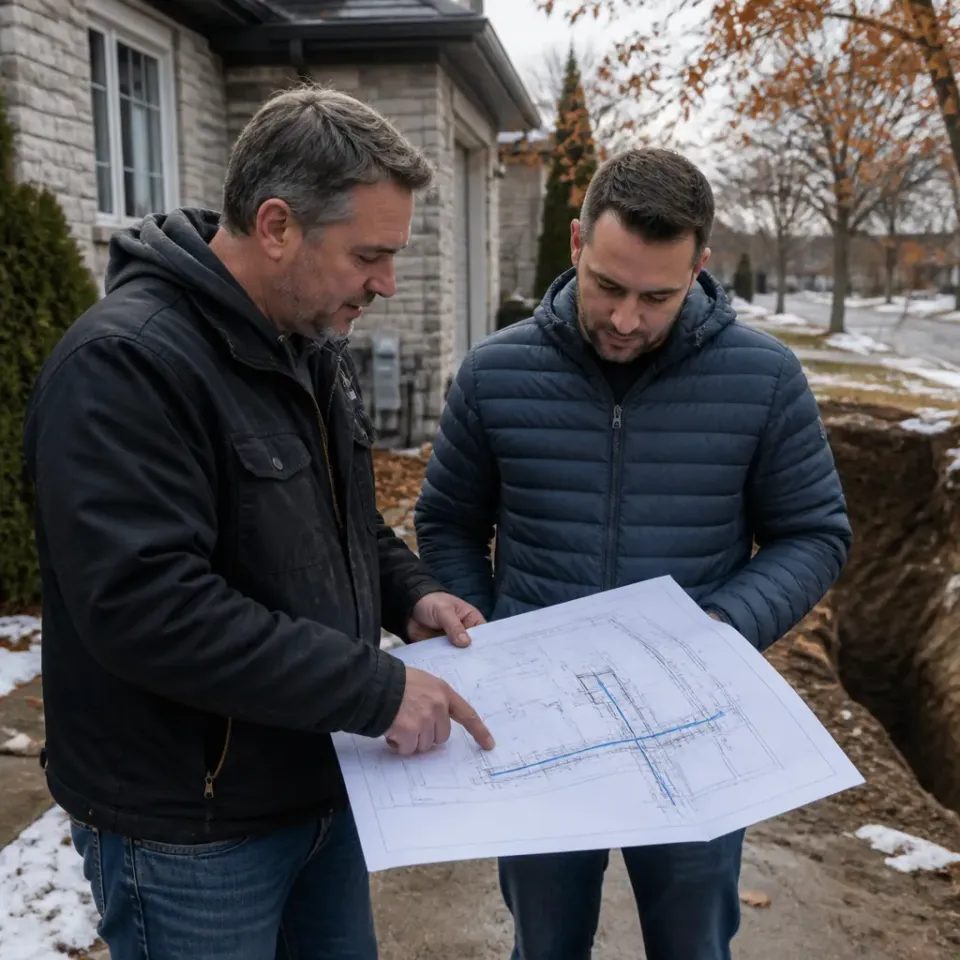
Request public locates, wait for all responses, and arrange private locates for lines not covered by the public request.
Where City responsibility ends in Ottawa
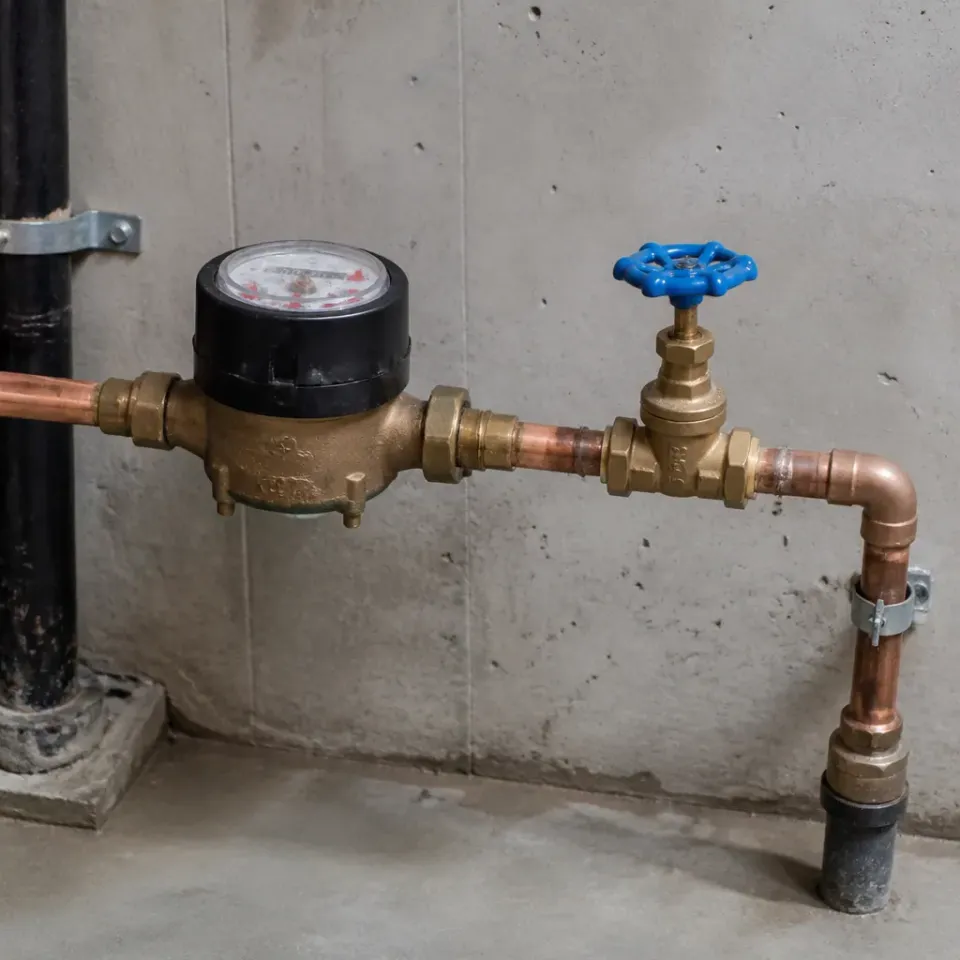
Ottawa's Lead Pipe Replacement Program FAQ describes two parts of a water service pipe. The public portion runs from the watermain to the water shut-off valve and is owned and maintained by the City. The private portion runs from the home to that valve and is the property owner's responsibility. This is the boundary described in that FAQ; it should not be casually changed to “the property line,” which may be a different location.
A water-service connection can still involve City approvals even when work is being planned for a private property. Ottawa's Water By-law No. 2025-227 defines a Water Connection Permit and sets conditions for waterworks and service connections. The applicable permit, inspection, and authorization steps depend on what is being installed or repaired, where the work occurs, and whether the public system is involved. Contact the City before excavation to identify the correct process for the address.
The City's general service-line failure guidance also cautions that each property is unique and that it cannot provide a specific failure-risk estimate. Home age may offer a clue about original materials only if work has not since changed them. For a suspected public-side issue or unclear boundary, ask Ottawa rather than assuming a private plumber should repair the whole line.
| Question | What the source says | What to confirm |
|---|---|---|
| Where is the public/private boundary? | Ottawa's lead-service FAQ places it at the water shut-off valve. | Ask the City to confirm the boundary and records for this address. |
| Who maintains the private portion? | The City FAQ describes the home-to-valve portion as privately owned and owner-maintained. | Confirm who authorizes, pays for, and coordinates the actual work. |
| Does every repair use the same permit? | The Water By-law defines permits and conditions for water-service work. | Ask Ottawa which permit, inspection, or connection approval applies. |
| Can the City predict failure from house age? | Ottawa says properties differ and it cannot give a property-specific risk estimate. | Arrange an inspection and verify actual material and condition. |
Possible signs of a water service-line problem
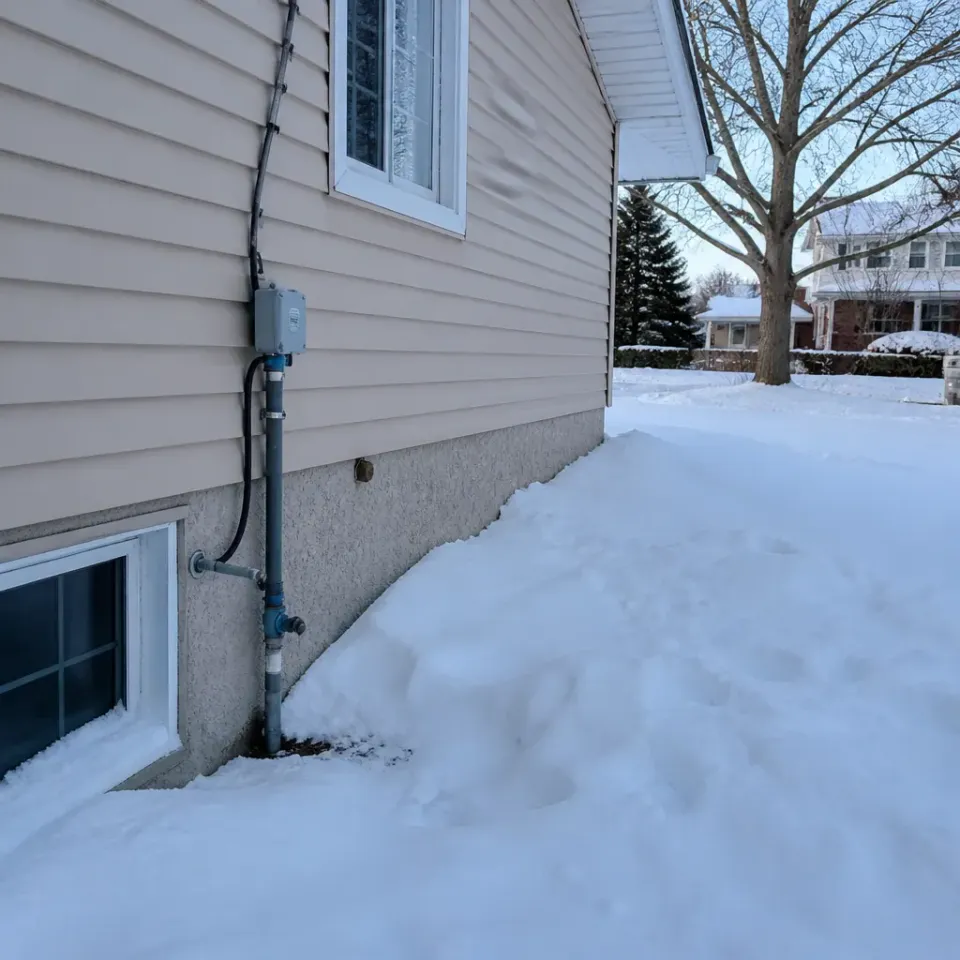
A private service line is largely underground, so a homeowner may see indirect clues rather than the pipe itself. A persistent wet or unusually soft area near the expected route, water entering near the basement service opening, or an unexplained change in pressure may justify an assessment. A meter that appears to register use when all known fixtures are off can also prompt a closer look, but it does not prove where a leak is located.
Record what you observe before anyone changes the system. Note the time, weather, recent construction, whether neighbours have a similar interruption, whether all fixtures are affected, and any City message. Photograph visible water and the meter display without touching equipment you do not understand. If you find an indoor leak, our guide to detecting hidden plumbing leaks can help you organize observations, but a professional still needs to identify the cause.
The City says the type and location of water service lines depend on when they were installed or replaced. Older Ottawa homes may have original materials that are no longer common, but a house's construction date is not an inspection result. Previous repairs, renovations, and service replacement can change what is in the ground. Do not conclude that a service line is lead, corroded, or at the end of its life based only on a home-age estimate.
What to do before booking a repair
Start with immediate safety. If water is actively entering the house, keep people away from electrical hazards and shut off the indoor water only if you can reach the valve safely. If there is no water across the entire property, check for a City notice and call 3-1-1 when the cause is not explained. Ottawa's water interruption guidance says to contact the City if you have no water and have not received a notice.
Next, describe the issue clearly when requesting an assessment. Include the fixtures affected, when the change started, whether pressure varies at different taps, where you have seen water, and whether City work or private excavation has recently occurred nearby. If you have an older plumbing inspection, renovation record, City letter, or previous service-line invoice, have it available. Do not claim that a line is leaking if the location is not yet known; ask for a diagnostic visit and a written explanation of what the evidence shows.
A service-line repair may involve coordination with the City, an excavator, a plumber, a utility-locate provider, and a restoration contractor. Ask who is responsible for each call, what access is required, who will request locates, and how the work will be inspected before it is covered. Our Ottawa plumbing services guide explains how to prepare for a broader service visit.
Water line repair or replacement: how a professional should decide
“Repair versus replace” is not a choice that can be made from a generic online symptom list. The decision depends on the location and extent of the damage, pipe material and condition, service history, access, applicable City requirements, and whether a local repair would leave a known wider problem in place. A contractor should explain the evidence, identify what remains uncertain, and show why the recommended scope fits that property.
A targeted repair may be appropriate when the failure is localized and the rest of the line is suitable to remain in service. Replacement may be considered when the material is unsuitable, deterioration is widespread, repeated failures have occurred, or a planned City project creates an opportunity for coordinated work. These are decision factors—not a guarantee that a particular line must be replaced. Ottawa itself says it cannot estimate failure risk for an individual private service because properties are unique.
If a lead service is suspected, handle that as a separate public-health and City-coordination question. Ontario's property-owner fact sheet discusses replacement of both public and private portions and coordination with municipal work. Ask Ottawa about the current lead-service program and testing options before authorizing work. Do not assume a standard repair quote includes the City portion, water testing, or program eligibility.
For a separate provider reference, Plumbing Now lists Ottawa plumbing repair services, including work on supply lines. Contact the company to ask whether the specific private water-service project is within its scope, and compare the written proposal with any other qualified quote.
Permits and utility locates before digging
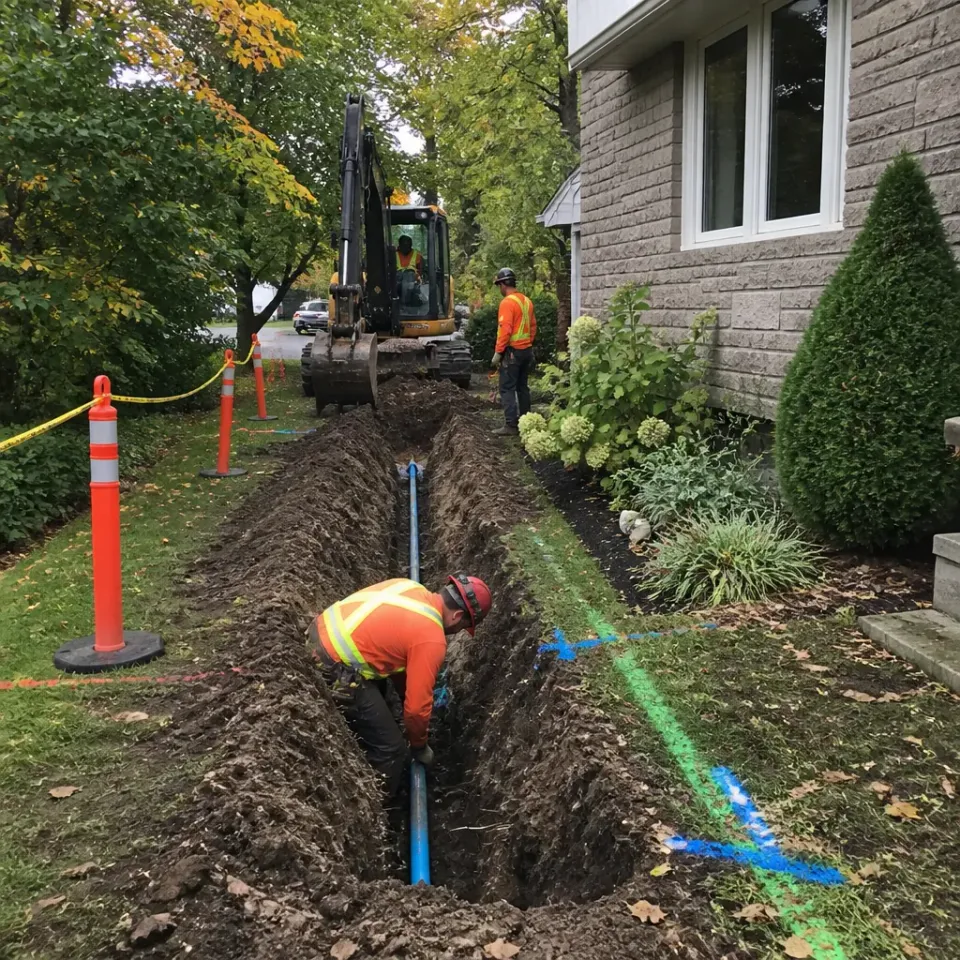
A buried water line cannot be reached safely by guessing its route. Ontario Dig Authority says homeowners must request a public utility locate before digging and wait until all notified infrastructure owners have responded. Its current homeowner guidance specifies at least five business days for a single-address request and ten business days for a multi-address or larger project. Timing and process can change, so confirm the current instructions before scheduling an excavation crew.
A public locate is not a map of every private pipe, cable, or drain on a lot. Ontario Dig Authority states that some infrastructure owned by the property owner is not part of its public locate process and may need a separate private locate. Ask the contractor who submits the request, how the markings will be kept visible, and whether a private locator is needed for the work area. No digging should begin until the required responses and markings are in place.
Separately, ask Ottawa what water-service permit, connection approval, inspection, or road-related authorization applies to the proposed work. The City's by-law and permit agreement govern specific waterworks activities; the City's online reference should be used to confirm the current requirements rather than assuming that the same rule applies to every repair. Get the answer in writing when the job involves a boundary, public connection, or change to the service.
Excavation readiness checklist
A water-line quote should not move into digging until the roles and locate steps are clear.
Written scope
Identify the proposed repair, approximate route, access points, and restoration.
City confirmation
Confirm the public/private boundary and any approval or inspection steps.
Public locates
Submit the current request and wait for all utility owners to respond.
Private locate plan
Identify any private lines or drains the public request does not mark.
Older service lines, lead questions, and records to keep
Some older Ottawa homes may have a lead water service, and Ottawa provides a lead pipe replacement program with current instructions for affected properties. If the home is older or its service history is unknown, ask the City how to check available records and whether water testing is appropriate. Do not rely on a visual guess, an online year threshold, or a neighbour's line material to decide what is installed at your address.
Ontario guidance says coordinating a private portion with a municipal replacement can be relevant when lead is involved. That does not mean every water-line repair is a lead replacement or that a homeowner automatically qualifies for a program. Confirm current eligibility, testing, and work coordination directly with Ottawa. If a contractor identifies a material of concern, ask for the observation and recommended next step in writing before the pipe is covered.
Keep a simple file containing City notices, utility-locate confirmations, permits or approvals, inspection records, before-and-after photos, invoices, material information, and warranty terms. Include the date, service boundary, and location of any repaired section. This record helps the next contractor understand what changed and can be useful during renovation, insurance discussions, or a future sale.
For more on planning and comparing a plumbing scope, read our Ottawa home plumbing inspection guide. If the diagnosis is an interior leak rather than a buried service issue, our leak-detection service page describes the next step for hidden plumbing problems.
How to compare Ottawa water-line repair quotes
A useful quote is specific enough that you can tell what you are approving. It should describe the suspected failure, the investigation performed, the intended repair or replacement, the materials proposed, the work area, shut-off coordination, City approvals, utility locates, testing, and surface restoration. It should also distinguish confirmed costs from allowances for unknown conditions beneath a floor or in the ground.
Ask whether the contractor or owner will contact Ottawa, who will request public and private locates, what inspection must happen before backfill, and who restores concrete, landscaping, or paving. Find out whether water service will be interrupted, how long the property may be without water, and what temporary arrangements are available if the City is involved. The answers should match the property and work area rather than relying on a universal timeline.
There is no single reliable Ottawa price for water service line repair: excavation depth, length, access, municipal coordination, restoration, pipe condition, and permit requirements can change the scope substantially. Be cautious of a quote that promises a final total before the line is located or that leaves permit and restoration responsibilities unclear. Request itemized assumptions and a process for approving additional work.
A second opinion can help when the proposed work is extensive or the evidence is uncertain. Ask each contractor to explain the same symptoms, boundary, and documents, then compare what is included—not just the headline amount. A responsible recommendation should explain what is known, what is not yet visible, and what finding would change the plan.