Key Takeaways
- An annual plumbing inspection catches small problems before they become floods and five-figure insurance claims.
- A full inspection covers fixtures, supply lines, drains, the water heater, sump pump, shut-off valves, pressure, and backflow.
- A standard Ottawa inspection costs roughly $150–$500; a sewer camera run adds about $200–$300 more.
- Fall (before the freeze) is the best time to book in Ottawa, with spring (after the thaw) a close second.
- Older Ottawa homes with galvanized pipe, clay sewer laterals, and mature trees benefit most from a professional checkup.
Why an Annual Inspection Matters
Most homeowners never think about their plumbing until something goes wrong — and by then, the "something" is usually a burst pipe soaking a finished basement, a water heater that failed overnight, or a sewer backup on a holiday weekend. After more than two decades working under Ottawa sinks and behind Ottawa walls, I can tell you that nearly every one of those emergencies gave off warning signs months in advance. The problem is that those signs are quiet, hidden, and easy to miss unless someone knows exactly where to look.
That is the entire purpose of an annual plumbing inspection. It is a scheduled, methodical walk-through of your home's water system by a licensed plumber who checks the parts you cannot easily see, tests the pressure and drainage you cannot easily measure, and flags the components that are quietly wearing out. Think of it the way you would think of a furnace tune-up or an oil change: a small, predictable cost that prevents a large, unpredictable one.
Ottawa homes face a specific set of pressures that make preventative plumbing especially valuable. Our winters are long and punishing, and pipes running through unheated garages, crawl spaces, and exterior walls freeze and burst every single year. Spring snowmelt overwhelms sump pumps and floods basements from Barrhaven to Orleans. Our moderately hard water leaves mineral scale that shortens the life of water heaters and fixtures. And in mature neighbourhoods, aging clay and galvanized infrastructure is reaching the end of its service life. A once-a-year inspection is how you stay ahead of all of it — and it pairs naturally with our professional leak detection service when something needs a closer look.
What a Professional Inspection Covers
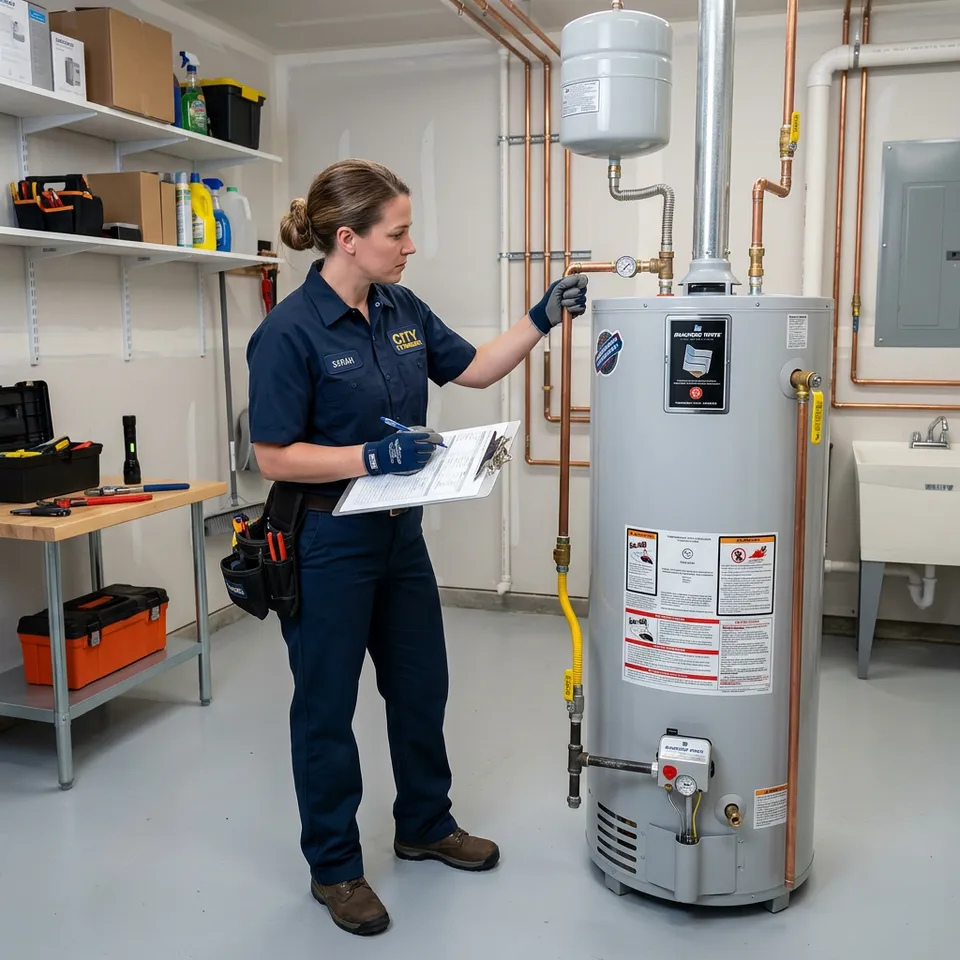
A proper plumbing inspection is not a quick glance under the kitchen sink. A thorough plumber follows a consistent checklist that touches every accessible part of the system. Here is exactly what a complete home plumbing checkup includes, point by point.
Fixtures and faucets
Every faucet, toilet, tub, and shower is checked for leaks, drips, weak flow, and worn seals. The plumber runs each fixture, watches how it drains, and inspects supply connections underneath for corrosion or moisture. A single running toilet can waste hundreds of litres a day, so toilets get particular attention — the flapper, fill valve, and base seal are all examined.
Supply lines
The plumber traces visible hot and cold supply lines looking for corrosion, mineral deposits, pinhole leaks, and the tell-tale green or white crusting that signals a slow weep. In Ottawa's older homes, this is also where galvanized steel and old copper get evaluated for interior corrosion that quietly chokes off water pressure.
Drains and waste lines
Drains are tested for speed and gurgling. Slow or noisy drains hint at partial blockages, venting issues, or buildup deeper in the line. If drainage problems recur, this is where a professional drain cleaning or camera run gets recommended.
Water heater
The plumber checks the age of the unit, looks for rust and moisture around the base, tests the temperature and pressure relief valve, examines the anode rod condition where accessible, and notes sediment buildup that reduces efficiency and lifespan. Because our hard water accelerates scale, water heaters in Ottawa often need a flush, and this is where that need is caught. If your unit is showing its age, our water heater repair team can advise on repair versus replacement.
Sump pump
In flood-prone Ottawa, the sump pump is a homeowner's last line of defence against a wet basement. The plumber tests the pump by filling the pit, confirms the float switch triggers, checks the discharge line for clogs or freezing, and verifies there is a working backup where installed.
Shut-off valves
Every home should have a functioning main shut-off valve, plus individual valves at fixtures. Old valves seize up over time, and a valve that will not close in an emergency turns a small leak into a catastrophe. The plumber confirms the main valve works and that you know where it is.
Pressure test
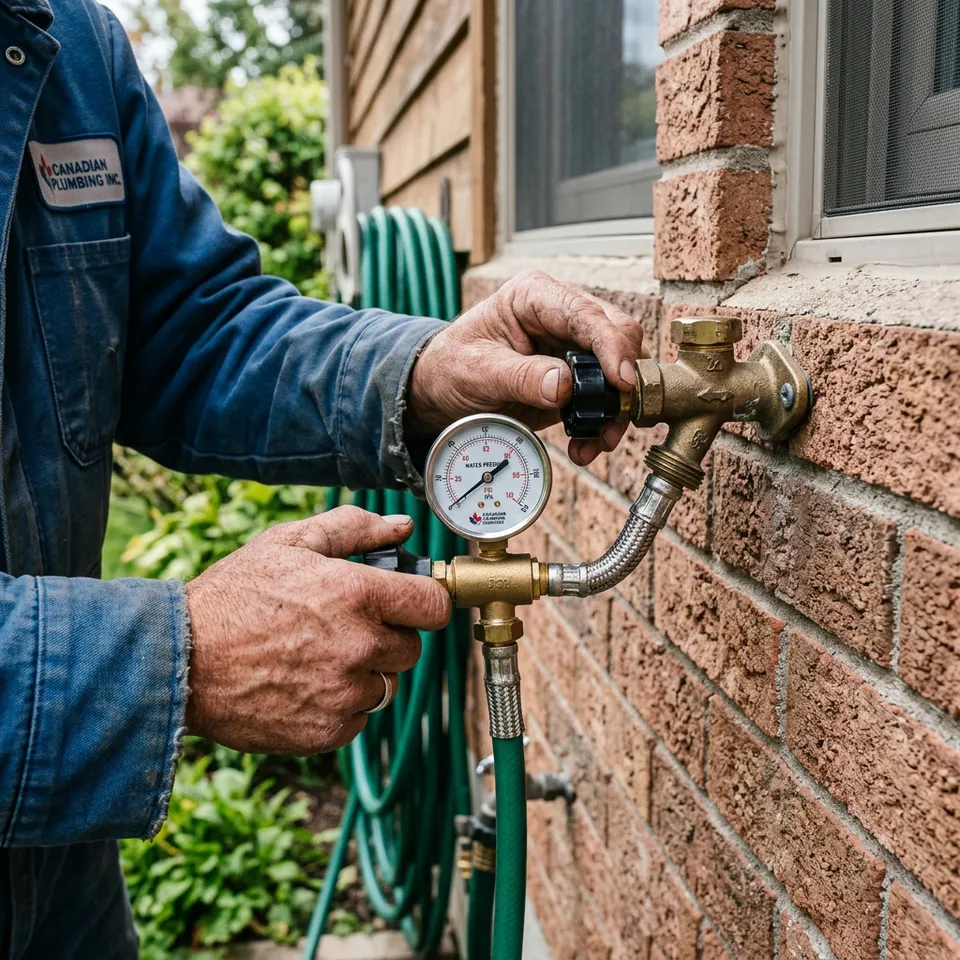
Using a gauge, the plumber measures your home's water pressure. Ottawa homes should typically read between 40 and 80 psi. Pressure that is too high stresses pipes, fittings, and appliances and can shorten their life dramatically; pressure that is too low points to a hidden leak, a failing regulator, or scaled-up lines. Adjusting or installing a pressure-reducing valve is a common, worthwhile recommendation.
Backflow prevention
Where present, backflow preventers and backwater valves are inspected to confirm they will keep contaminated water and sewer surcharge from flowing back into your home. In older Ottawa neighbourhoods where the sewer system can be overwhelmed during heavy storms, a working backwater valve is one of the best defences against a basement sewage backup.
When a Camera Inspection Is Warranted
A standard inspection covers everything a plumber can see and reach. But the most expensive plumbing problems in Ottawa — collapsed sewer laterals, root-choked drain lines, and cracked underground pipe — are completely hidden from view. That is where a sewer camera inspection earns its place.
A camera inspection sends a waterproof, high-resolution camera on a flexible cable down the drain and sewer lateral, giving a live view of the pipe's interior all the way to the municipal connection. It reveals root intrusion, offset or cracked joints, bellied sections that hold water, grease accumulation, and pipe material — including whether you still have original clay or cast iron.
A camera run is not needed at every annual visit, but a good plumber will recommend it when certain flags appear:
- Recurring backups in the same drain despite clearing, which often signals roots or a structural fault.
- Mature trees near the sewer line — common across Alta Vista, Westboro, and older parts of Nepean.
- Homes over 40 years old that may still have clay or cast-iron laterals.
- A home purchase, where a hidden lateral problem can cost thousands to repair.
- Slow drainage across multiple fixtures, which points to a main-line issue rather than a local clog.
The value of a camera inspection is certainty. Instead of guessing why a drain keeps backing up, you get a recorded, visual diagnosis — which means any repair is targeted, and you are never paying to dig up a pipe that did not need it.
Inspection Payoff by the Numbers
The Cost vs. Benefit Math
Homeowners sometimes hesitate at the idea of paying for an inspection when "nothing is wrong." I understand the instinct, but the arithmetic makes the decision easy once you see it laid out. The point of preventative plumbing is not to spend money — it is to avoid spending far more.
Consider the numbers. A thorough annual inspection in Ottawa costs somewhere between $150 and $500. Water damage, by contrast, is one of the most common and most expensive home insurance claims in Canada, and a serious basement flood or burst-pipe event routinely runs well into five figures once you account for drywall removal, flooring replacement, damaged belongings, and mould remediation. Water and sewer-related losses now make up a large share of all home insurance claims across the country.
Here is the practical version of that math. If an inspection catches a single failing water heater, a seized main valve, or a corroding supply line even once a decade, it has paid for every visit many times over. And that is before you count the collateral savings: lower water bills from fixed leaks, longer appliance life from correct pressure, and the avoided stress of an emergency call-out at a premium rate. When a pipe does let go without warning, you are suddenly paying for our 24/7 emergency plumbing service on top of the damage — the exact outcome a scheduled inspection is designed to prevent.
Inspection Tiers & Costs (2026)
Not every home needs the same level of inspection. Here is how the common tiers break down in the Ottawa market for 2026, so you can match the service to your home's age and situation.
| Inspection Tier | What's Included | Typical Cost (2026) |
|---|---|---|
| Basic visual inspection | Fixtures, visible supply lines, drains, water heater, shut-off valves | $150 – $350 |
| Comprehensive inspection | Everything in basic plus pressure test, sump pump test, backflow check, written report | $300 – $500 |
| Inspection + sewer camera | Comprehensive inspection plus full sewer lateral camera run | $350 – $700 |
| Pre-purchase inspection | Comprehensive plus camera and detailed condition report for closing | $400 – $800 |
| Sewer camera add-on (standalone) | Camera run of the main sewer lateral | $200 – $450 |
For a broader look at what plumbing work costs in the city, our Ottawa plumbing cost guide breaks down repairs, installations, and service rates. Many plumbers will credit part or all of the inspection fee toward any repair booked as a result, so it is always worth asking when you schedule.
Your DIY Homeowner Checklist
A professional inspection once a year is the backbone of good plumbing maintenance, but the checks you do between visits matter just as much. These simple habits catch obvious problems early and give your plumber a better picture when they arrive. Work through this seasonal routine — it takes only a few minutes each month.
Monthly: check under every sink
Open the vanity and kitchen cabinets and feel the supply lines and P-trap for moisture. Catching a slow weep here saves you from warped cabinets and mould later.
Monthly: watch drains and toilets
Note any slow drains, gurgling, or a toilet that runs after flushing. Add a few drops of food colouring to the tank; if colour appears in the bowl without flushing, the flapper is leaking.
Seasonal: test the sump pump
Pour a bucket of water into the pit to confirm the pump kicks on and drains properly. Do this before spring melt and after any long dry spell so it is ready when you need it.
Fall: winterize outdoor plumbing
Disconnect and drain garden hoses, shut off and drain exterior faucets, and confirm any pipes in unheated spaces are insulated before the first hard freeze.
Seasonal: inspect the water heater
Look for rust, moisture, or pooling at the base, and listen for popping or rumbling that signals sediment. Confirm the area around it is clear.
Anytime: watch your water bill
A sudden, unexplained jump in water usage is one of the earliest signs of a hidden leak. Compare month to month and flag any spike to your plumber.
None of these steps replaces a professional inspection, but together they turn you into an early-warning system for your own home. The homeowners who catch problems soonest are almost always the ones who do these small checks regularly.
Best Timing for Ottawa Homes
Timing is everything with preventative plumbing in a climate like ours. Because Ottawa's plumbing risks are so seasonal, when you book your inspection has a real effect on how much protection you get from it.
Fall: the best time to book
If you inspect only once a year, do it in September or October. The single greatest plumbing threat in Ottawa is winter, when pipes in garages, crawl spaces, and exterior walls freeze and burst. A fall inspection identifies vulnerable pipes, confirms your insulation and heat tape are adequate, verifies shut-off valves work, and gets your water heater ready for the season when it works hardest. Fixing a weakness in October is a scheduled repair; discovering it in January is an emergency. Frozen and burst pipe repairs spike every winter, and most were preventable.
Spring: the strong runner-up
Spring is the second-best window. After the thaw, an inspection reveals damage caused by winter freeze-thaw cycles — hairline cracks in pipes and joints that only leak once things warm up. Just as importantly, spring is when your sump pump faces its biggest test as snowmelt and heavy rain hit at once. A spring inspection confirms the pump, float, and discharge line are ready before the water arrives, not after your basement floods. If you experienced a frozen pipe over winter, a spring check is essential.
Should I inspect twice a year?
For most homeowners, one thorough annual visit plus your own monthly checks is enough. But two visits — fall and spring — make sense for older homes, homes with a history of backups or flooding, properties on well and septic systems, and homes with finished basements where a leak causes expensive damage. Your plumber can advise on the right interval for your specific home.
Buying or Selling a Home
A home transaction is one of the most important times to get a dedicated plumbing inspection — and one of the most overlooked. A general home inspection is valuable, but it only skims the surface of the plumbing system. A plumbing-specific inspection goes much deeper.
If you are buying
Before you close on any Ottawa home — especially one more than 30 years old — commission a plumbing inspection with a sewer camera run. The plumber will assess water pressure, drainage, the water heater's age and condition, pipe materials, and shut-off valves, while the camera reveals whether the sewer lateral is sound. Discovering a cracked clay lateral or a root-choked line before closing gives you real leverage to negotiate the price or require repairs. Discovering it after closing means you own the problem outright.
If you are selling
Sellers benefit too. A clean pre-listing inspection lets you fix small issues on your own terms and gives buyers confidence, which supports your asking price and reduces the chance of a deal falling apart at the eleventh hour. It also removes surprises from the buyer's inspection, keeping negotiations smooth. In a competitive market, a documented, well-maintained plumbing system is a genuine selling point.
Special Concerns for Older Ottawa Homes
Ottawa has a wealth of beautiful older homes, and I love working on them — but they carry plumbing risks that newer builds simply do not. If your home is in an established neighbourhood and was built more than a few decades ago, these are the issues an inspection will focus on.
Galvanized steel supply pipe
Homes built before the 1960s often used galvanized steel water supply lines. Over decades, these pipes corrode from the inside, narrowing the passage and reducing water pressure while releasing rust that discolours water. Galvanized pipe reaching the end of its life is one of the most common findings in older Ottawa homes, and an inspection helps you plan a re-pipe before the pipes start leaking.
Clay and cast-iron sewer laterals
Older sewer laterals were commonly made of clay tile or cast iron. Clay joints crack and separate over time, and cast iron corrodes and scales. Both become entry points for problems, which is why a camera inspection is so valuable in these homes — it shows the true condition of a pipe you would otherwise never see. When repairs are needed, our sewer line repair team handles everything from spot fixes to full lateral replacement.
Tree root intrusion
The same mature trees that make neighbourhoods like Alta Vista, Westboro, and Beacon Hill so appealing are a leading cause of sewer problems. Roots seek out the moisture in sewer lines and infiltrate through the smallest cracks and joints, eventually forming dense masses that cause repeat backups. In these areas, a periodic camera inspection is the smartest way to stay ahead of root intrusion before it turns into a full blockage.
Aging infrastructure and outdated components
Beyond pipes, older homes often have seized shut-off valves, outdated water heaters, undersized supply lines, and missing backflow protection. An inspection inventories these components so you can prioritize upgrades — replacing the seized main valve first, for instance, so you are protected the next time something fails.
How Inspections Protect Your Insurance
Many homeowners do not realize how closely their plumbing habits and their insurance coverage are connected. Water damage is one of the largest categories of home insurance claims in Canada, and insurers have responded by tightening the conditions around coverage. An annual inspection helps you on both sides of that equation.
Preventing claims in the first place. The most valuable protection is avoiding the loss entirely. Insurance may cover a sudden, accidental burst, but every claim raises the risk of higher premiums or non-renewal down the road. By catching failing components early, an inspection keeps you out of the claims process altogether.
Supporting a claim if you do file one. Insurers frequently deny claims that stem from gradual wear, deferred maintenance, or long-standing neglect. Keeping records of your annual inspections demonstrates that you maintained your system responsibly, which strengthens your position if you ever need to make a legitimate claim after a sudden failure.
Unlocking better terms. Some insurers offer discounts or improved coverage for homes fitted with water leak detection devices, automatic shut-off systems, or backwater valves — all of which a plumber can recommend and install during an inspection. A backwater valve in particular is one of the best protections against a sewer backup in Ottawa's older, storm-stressed neighbourhoods, and it can influence both your risk and your premiums. During the inspection is also the natural time to add a sump pump or battery backup if your basement needs one.
Community-Specific Challenges
Ottawa is a patchwork of neighbourhoods with very different housing stock and plumbing conditions, and a good inspection accounts for where you live. Here is what I keep an eye on across the region.
In growing suburban communities like Barrhaven, Kanata, Stittsville, Riverside South, and Findlay Creek, the homes are newer, but flat lots, high water tables, and heavy spring melt put real strain on sump pumps and basement waterproofing. An inspection here focuses on the pump, discharge line, and backwater protection ahead of the melt. Homeowners in these areas can find local help through our Barrhaven plumbers page.
In established areas such as Alta Vista, Westboro, Centretown, Nepean, and Beacon Hill, aging infrastructure takes centre stage. Galvanized supply pipe, clay sewer laterals, and mature trees mean camera inspections and pressure testing carry extra weight. Orleans, Gloucester, and Vanier homes span a wide range of ages, so inspections there are tailored to the specific property. And in outlying communities like Manotick, Greely, and parts of Nepean served by wells and septic systems, the inspection extends to well pumps, pressure tanks, and septic-safe drainage.
Across all of these areas, the common thread is Ottawa's climate: frozen pipes in winter, basement flooding from spring snowmelt, and hard-water scale year-round. A plumber who knows the local housing stock will inspect with those specific risks front of mind rather than running a generic checklist.
Choosing the Right Plumber
An inspection is only as good as the plumber performing it, so it is worth choosing carefully. Look for a few key markers of quality when you book.
- Licensed and insured. Confirm the plumber holds a valid Ontario licence and carries liability insurance. This protects you and signals professionalism.
- A written report. A good inspection ends with clear, written findings and photos — not a verbal "looks fine." That documentation is what supports your insurance and your planning.
- Proper equipment. Pressure gauges and access to a sewer camera indicate a plumber who inspects thoroughly rather than superficially.
- Local experience. A plumber who works Ottawa homes daily understands our climate, our neighbourhoods, and the aging infrastructure in older areas.
- Honest recommendations. The best plumbers tell you what can wait as readily as what needs attention now.
For hands-on service, our team works alongside Plumbing Now's professional plumbing services team, who provide thorough inspections and maintenance across the region. Whether you are protecting an older home in Westboro or a new build in Barrhaven, an annual checkup is one of the smartest, lowest-cost investments you can make in your home — and the peace of mind through an Ottawa winter is worth every dollar.