
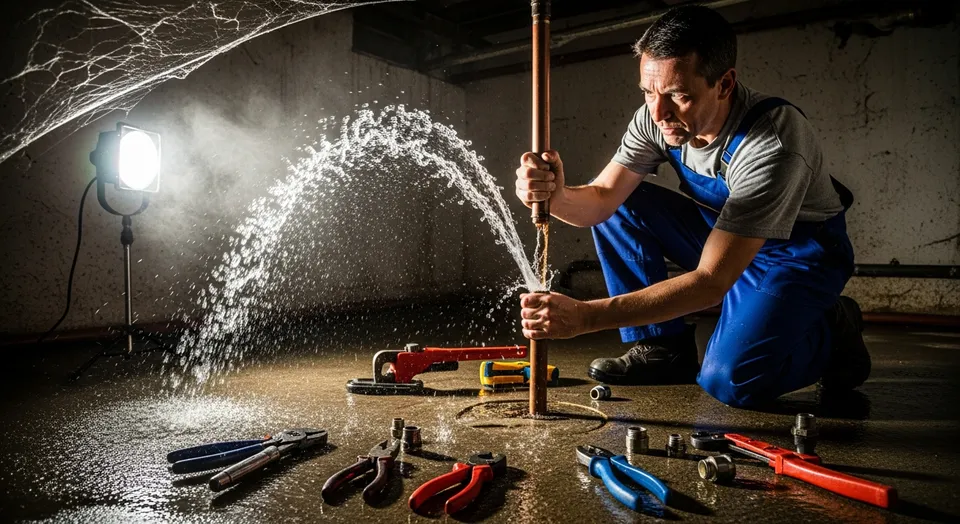
Expert Frozen Pipe Repair Across Ottawa
Ottawa is one of the coldest capital cities in the world, with winter temperatures that routinely plunge below -25°C and occasionally reach -35°C or colder. These extreme temperatures make frozen pipes one of the most common and potentially devastating plumbing emergencies faced by Ottawa homeowners every winter season. When water inside a pipe freezes, it expands by approximately 9%, creating tremendous pressure that can reach over 25,000 PSI — far exceeding what any residential pipe is designed to withstand.
At Ottawa Plumbers, frozen pipe repair is a core part of our emergency plumbing services. Our licensed Ottawa plumbers are equipped with professional-grade thawing equipment, thermal imaging cameras, and the expertise to safely restore water flow to your home without causing additional damage. We understand the urgency — a frozen pipe that is not addressed quickly can burst, leading to thousands of dollars in water damage to your home.
Whether you have a single frozen faucet line or an entire section of your home without water, we respond quickly and work methodically to thaw the frozen section, check for damage, and implement preventive measures to stop it from happening again. We serve all of Ottawa including Kanata, Orléans, Nepean, and Barrhaven.
Signs Your Pipes Are Frozen
Recognizing frozen pipes early is critical. The sooner you identify and address a freeze, the lower the risk of a burst pipe and the resulting water damage. Here are the warning signs every Ottawa homeowner should know:
No water or only a trickle coming from a faucet when you turn it on
Frost or ice visibly coating exposed pipes in your basement, crawl space, or garage
Unusual odors coming from a faucet or drain — a blockage may be pushing sewer gases back
Bulging, warping, or slight deformation visible on exposed pipe sections
Strange clanking, banging, or gurgling sounds when you open a tap
Water pressure suddenly drops in one area of the house but remains normal elsewhere
The temperature has been below -15°C for an extended period
Condensation or dampness appearing on walls near pipe runs
A faucet that worked fine yesterday suddenly produces no water
If you notice any of these signs during an Ottawa cold snap, act immediately. A frozen pipe can progress to a burst pipe in a matter of hours, causing extensive water damage to your home, belongings, and structure.
The Dangers of Frozen Pipes
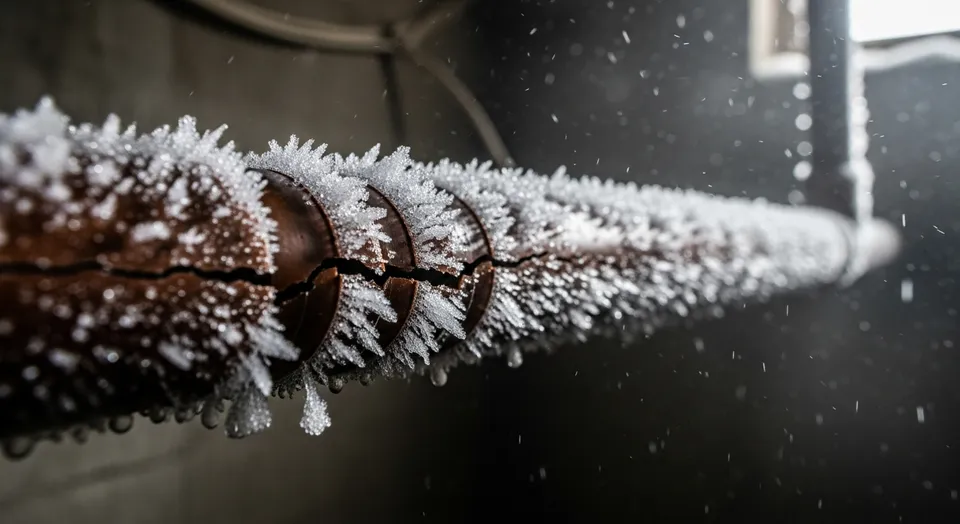
Ice expansion inside pipes creates over 25,000 PSI of pressure — enough to split copper and steel pipes.
Frozen pipes are far more than an inconvenience. They represent a serious threat to your home and your wallet. Here is why frozen pipes in Ottawa should never be ignored:
Burst Pipes and Flooding: The primary danger of a frozen pipe is that it will burst. When water freezes and expands, the pressure between the ice blockage and a closed faucet or valve can cause the pipe to split, crack, or blow apart at its weakest point. Once the ice thaws — which will happen eventually — water pours out of the break at full pressure, potentially flooding your home with hundreds of liters per hour.
Structural Damage: Water from a burst pipe can soak into drywall, insulation, wood framing, and flooring. This weakens structural components, causes warping and swelling, and can compromise the integrity of walls and ceilings. Repair costs for structural water damage can easily reach $10,000 or more.
Mold and Mildew: Even small amounts of water from a burst pipe, if not properly dried, can create ideal conditions for mold growth. Mold can begin growing within 24-48 hours of water exposure and can cause serious health problems, particularly for people with respiratory conditions. Professional mold remediation is expensive and disruptive.
Electrical Hazards: Water from frozen or burst pipes can come into contact with electrical wiring, outlets, and panels, creating a serious risk of electrical shock or fire. This is particularly dangerous because the leak may be hidden inside a wall where it contacts wiring before becoming visible.
Loss of Water Supply: Even without a burst, frozen pipes cut off your water supply. In Ottawa's winters, being without water means no drinking water, no ability to flush toilets, no showers, and no water for cooking — a genuine household emergency, especially for families with children or elderly residents.
Safe DIY Thawing Methods
If you can locate the frozen section and it is an exposed, accessible pipe, you may be able to thaw it safely yourself. Here are methods recommended by licensed plumbers:
Hair Dryer
The safest and most common DIY method. Aim the hair dryer at the frozen section, starting from the faucet end and working back toward the frozen area. Keep the dryer moving to distribute heat evenly. This method typically takes 30-60 minutes for a short frozen section.
Heat Lamp or Portable Space Heater
Position a heat lamp or portable space heater to warm the area around the frozen pipe. Keep the heater at least 1 meter from any flammable materials. This method works well for pipes in enclosed spaces like cabinet undersides.
Hot Towels
Wrap towels soaked in hot water around the frozen pipe section. Replace the towels as they cool. This is a gentle method that works well for short frozen sections and is the safest option for pipes near electrical components.
Electrical Heating Pad
Wrap an electrical heating pad around the frozen section. Set it to medium or high and leave it in place until water flow is restored. This provides consistent, controlled heat and works well for longer frozen sections.
Never Use These Methods
Never use an open flame, propane torch, blowtorch, or charcoal stove to thaw frozen pipes. These create an extreme fire hazard and can cause the pipe to burst from rapid, uneven heating. They can also release toxic fumes in enclosed spaces.
Also avoid pouring boiling water directly onto a frozen pipe — the thermal shock can crack the pipe, especially if it is copper or PVC.
Important: Always open the affected faucet before you begin thawing. This allows water to flow out as the ice melts and relieves pressure in the pipe. Start thawing from the faucet end and work back toward the frozen section so that melting ice and water can drain out through the open faucet.
When to Call a Professional Plumber
While some frozen pipes can be safely thawed with DIY methods, there are situations where professional help is essential. Call Ottawa Plumbers immediately if:
The frozen pipe is behind a wall, inside a ceiling, or underground — you cannot safely access it
You cannot locate the frozen section despite checking all exposed pipes
You suspect the pipe has already burst — water stains, dripping, or flooding visible
Multiple pipes or an entire section of your home has lost water flow
You have tried DIY thawing for over an hour with no results
The frozen pipe is near electrical wiring or in an area with electrical hazards
You are unsure whether the pipe is frozen or if there is another plumbing issue
The pipe appears bulging, deformed, or damaged from the freeze
Our plumbers use professional-grade thawing equipment including commercial electric pipe thawing machines, thermal imaging cameras to locate hidden frozen sections, and infrared thermometers to monitor pipe temperature during the thawing process. These tools allow us to thaw pipes safely and efficiently, with far less risk of causing a burst than DIY methods.
Our Frozen Pipe Repair Process
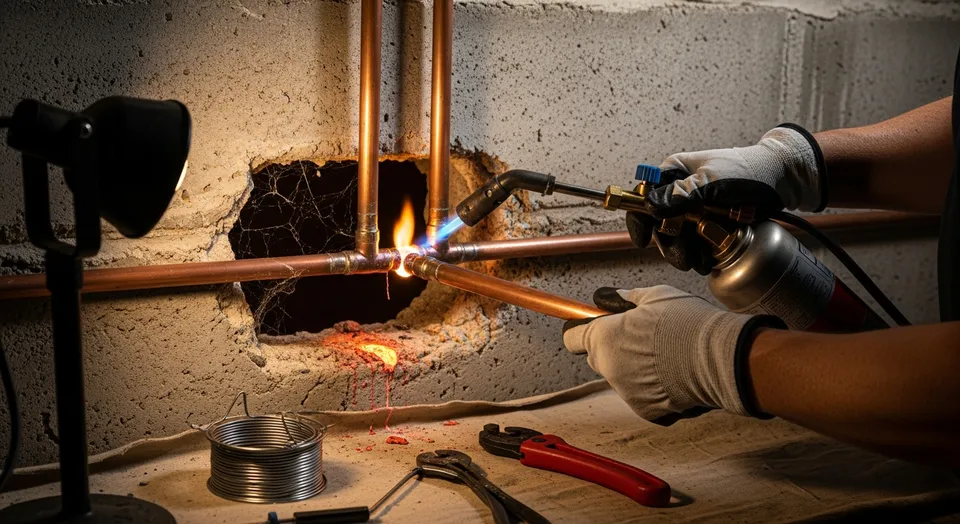
Our licensed plumbers use professional-grade equipment to safely thaw and repair frozen pipes throughout Ottawa.
When you call Ottawa Plumbers for frozen pipe repair, here is our systematic approach:
Locate the Freeze
Using thermal imaging cameras and infrared thermometers, we pinpoint the exact location and extent of the frozen section. This is critical for pipes inside walls or ceilings where the frozen area is not visible.
Assess for Damage
Before thawing, we inspect the pipe for signs of existing damage — bulging, cracking, or deformation. If the pipe has already burst, we prepare for water containment and repair before beginning the thaw.
Controlled Thawing
We use commercial-grade electric pipe thawing machines that provide safe, even heat distribution. We monitor pipe temperature throughout the process to ensure controlled thawing without thermal shock.
Damage Repair
If the freeze has caused any damage — cracks, split sections, or failed joints — we repair or replace the damaged pipe. We carry copper, PEX, and ABS fittings for all pipe types.
System Testing
After thawing and any repairs, we restore water flow and test the entire system under pressure. We check all previously frozen areas and nearby pipes for leaks or additional freeze damage.
Prevention Installation
We install pipe insulation, heat tape, or other preventive measures on the affected area and any other vulnerable pipes we identify during our inspection.
Prevention Tips for Ottawa Winters
Given Ottawa's extreme winter climate with temperatures that can stay below -20°C for days at a time, pipe freeze prevention should be a top priority for every homeowner. The cost of prevention is a fraction of the cost of repairing frozen or burst pipes. Here are our expert recommendations:
Insulate all pipes in unheated areas — crawl spaces, attics, garages, and along exterior walls. Use foam pipe insulation rated for extreme cold (-40°C or below).
Install thermostatically controlled heat tape on pipes most vulnerable to freezing. Modern heat tape activates automatically when pipe temperature drops below a set point.
Disconnect and drain all outdoor hoses before the first hard freeze (typically late October in Ottawa). Shut off interior valves to outdoor faucets and leave the outdoor faucets open to drain.
Keep your home heated to a minimum of 15°C at all times, even when you are away on vacation. Set your thermostat and have a neighbour check periodically during extended absences.
During extreme cold snaps (-25°C and below), open cabinet doors under kitchen and bathroom sinks on exterior walls to allow warm indoor air to reach the pipes.
Let faucets on exterior walls drip very slightly during extreme cold. Even a slow drip keeps water moving through the pipe and dramatically reduces freeze risk.
Seal all air leaks around pipe penetrations through exterior walls, foundation, and rim joists. Cold air drafts are a major cause of localized pipe freezing.
Ensure your attic is properly insulated and ventilated. Poorly insulated attics allow cold air to reach pipes running through or near the attic space.
If you have a crawl space, ensure it is properly sealed, insulated, and that all pipes within it are insulated. Consider installing a crawl space heater for extreme cold.
Schedule a pre-winter plumbing inspection with Ottawa Plumbers. We identify vulnerable areas, install insulation and heat tape, and prepare your system for the cold months.
Pipe Insulation Guide for Ottawa Homes
Proper pipe insulation is the single most effective way to prevent frozen pipes in Ottawa. Here is a comprehensive guide to insulating your home's plumbing:
Foam Pipe Sleeves: The most common and affordable option. Pre-slit foam tubes slide over pipes and are secured with tape or cable ties. Choose sleeves rated for Ottawa's climate — a minimum of R-4 insulation value for pipes in unheated spaces. These are available at any Ottawa hardware store and are easy to install as a DIY project.
Fiberglass Pipe Wrap: For pipes in extremely cold areas or irregular shapes that foam sleeves cannot cover, fiberglass pipe wrap provides excellent insulation. Wrap the pipe with the fiberglass insulation and secure it with tape or wire. Always wear gloves and a mask when working with fiberglass.
Heat Tape (Heat Cable): Self-regulating heat tape wraps around or alongside the pipe and provides electrical heat when temperatures drop. Modern self-regulating heat tape adjusts its heat output based on the pipe temperature, making it energy efficient and safe. This is the gold standard for pipes that are highly vulnerable to freezing, such as those in crawl spaces, garages, and along exterior walls.
Spray Foam Insulation: For sealing gaps and cracks where pipes penetrate exterior walls or the foundation. Spray foam fills irregular spaces that other insulation types cannot cover and also blocks cold air drafts that contribute to pipe freezing.
For a professional pipe insulation assessment and installation, contact Ottawa Plumbers. We evaluate your entire plumbing system, identify the most vulnerable areas, and install the appropriate insulation for each situation. For complete pricing details, see our plumbing cost guide.
How Much Does Frozen Pipe Repair Cost in Ottawa?
Here are typical costs for frozen pipe repair in Ottawa. Prices vary depending on the location of the freeze, whether the pipe has burst, and the type of pipe material. For a complete overview of plumbing costs, visit our Ottawa plumbing cost guide.
| Service | Price Range |
|---|---|
| Frozen pipe thawing (accessible pipe) | $200 - $400 |
| Frozen pipe thawing (behind wall/ceiling) | $350 - $700 |
| Burst pipe repair (simple, accessible) | $400 - $700 |
| Burst pipe repair (behind wall/ceiling) | $600 - $1,500 |
| Emergency dispatch fee | $250 - $350 |
| Pipe insulation installation (per section) | $200 - $800 |
| Heat tape installation | $150 - $500 |
| Pre-winter plumbing inspection | $150 - $250 |
| Full home pipe insulation upgrade | $500 - $2,000 |
We always provide a clear, upfront quote before starting any work. There are no hidden fees, and our pricing is competitive with other licensed Ottawa plumbers. Emergency service is available 24/7, including holidays and weekends, with no additional surcharge for overnight calls during the winter season.
Which Ottawa Neighborhoods Are Most Vulnerable?
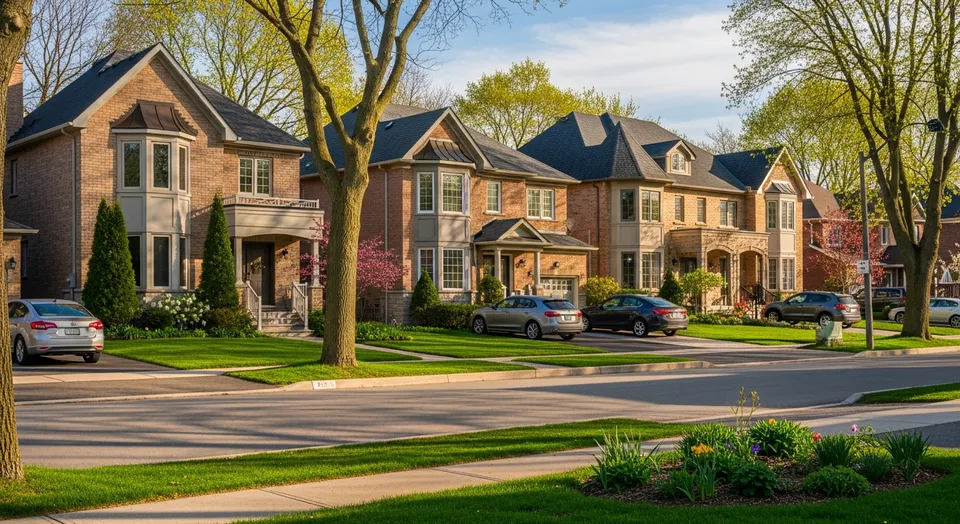
Older Ottawa neighborhoods with original plumbing are at higher risk for frozen pipes during extreme cold snaps.
While frozen pipes can happen anywhere in Ottawa, certain neighborhoods and types of homes are more vulnerable due to their age, construction methods, and geography:
Older Neighborhoods (The Glebe, Old Ottawa South, Westboro, Sandy Hill): Homes built before 1960 often have original copper or galvanized steel pipes with minimal insulation. These homes may have pipes running through uninsulated exterior walls, crawl spaces, and unheated basements. The combination of old pipe materials and poor insulation makes these areas highly vulnerable.
Kanata & Suburban New Builds: Newer homes in Kanata, Stittsville, and other suburban areas sometimes have plumbing issues due to construction defects — pipes routed too close to exterior walls, insufficient insulation in garages, or gaps in the building envelope. These defects may not become apparent until the first extreme cold snap.
Orléans & East Ottawa: The eastern suburbs, including Orléans, Beacon Hill, and Blackburn Hamlet, experience slightly colder temperatures due to their geographic position and tend to have more wind exposure. Homes on the outskirts of these communities, especially near agricultural land, are more exposed to wind chill effects on pipes.
Nepean & Barrhaven: Homes built in the 1970s-1990s in these areas may have pipes in poorly insulated crawl spaces or garage ceilings. Townhomes and row houses can be especially vulnerable because shared walls sometimes create cold channels where pipes run.
Rural and Semi-Rural Areas: Homes outside the urban core, including areas in Gloucester, Cumberland, and Manotick, face additional challenges. Well water systems, longer pipe runs, and greater exposure to wind all increase freeze risk. Homes with private wells should take extra precautions to protect both their supply lines and pressure systems.
Building Code Requirements for Pipe Insulation
The Ontario Building Code (OBC) and the National Plumbing Code of Canada set specific requirements for pipe insulation in new construction and renovations. As a homeowner, understanding these requirements helps you ensure your home's plumbing is code-compliant and protected:
New Construction: All water supply pipes installed in new homes must be protected from freezing. Pipes cannot be routed through unheated spaces without adequate insulation. The building envelope must be designed to keep all plumbing above freezing temperature under normal heating conditions.
Renovation and Retrofit: When existing plumbing is modified or extended during a renovation, the new work must meet current code requirements for freeze protection. This includes adding insulation to any pipes newly exposed or relocated to vulnerable areas.
Minimum Burial Depth: In the Ottawa area, underground water lines must be buried below the frost line, which is approximately 1.2 to 1.5 meters deep. Lines buried too shallow are at serious risk of freezing during prolonged cold snaps.
Exterior Hose Bibs: Modern code requires frost-free hose bibs (sillcocks) for exterior water connections. These valves shut off water inside the heated building envelope rather than at the exterior wall, dramatically reducing freeze risk.
Our licensed plumbers ensure all installations and repairs meet or exceed Ontario Building Code requirements. We are fully licensed, insured, and up to date with all current plumbing codes and standards. For questions about plumbing code compliance, contact us at info@ottawaplumbers.ca or call (613) 706-2303.
Frequently Asked Questions
Request Frozen Pipe Repair Service
Fill out the form below for fast frozen pipe repair and thawing service anywhere in Ottawa.
Form not loading? Open it in a new tab or call us directly.
Secure form powered by Jobber. We respond within 30 minutes during business hours.