Key Takeaways
- First, determine whether low pressure affects one fixture or the whole house — it points to very different causes.
- A clogged aerator or showerhead is the most common and easiest single-fixture fix.
- Whole-house low pressure often traces to the pressure regulator, a partly closed valve, corroded pipes, or a leak.
- Normal household water pressure is 40–60 psi; you can check yours with an inexpensive gauge.
- A sudden drop with no clear cause can signal a hidden leak — investigate it promptly.
Low Water Pressure: The Short Answer
Few household annoyances are as universal as low water pressure — a shower that dribbles instead of sprays, a faucet that takes forever to fill a pot, or appliances that run slowly. The frustrating part is that "low water pressure" has many possible causes, from a two-minute fix to a serious plumbing issue.
The single most useful first step is figuring out whether the problem affects one fixture or your entire home. That one observation narrows the cause dramatically: a single weak tap is almost always a local clog, while low pressure everywhere points to your main supply, pressure regulator, or pipes.
This guide walks through the most common causes, how to diagnose them, which fixes you can safely do yourself, and when it's time to call in our licensed Ottawa plumbers. Let's get your water flowing properly again.
One Fixture or the Whole House?
Before troubleshooting anything else, run this quick test — it determines almost everything about what's going on.
Test several fixtures
Turn on taps in different rooms — kitchen, bathroom, basement — and check both hot and cold. Note which ones have weak pressure.
If only one fixture is weak
The problem is local to that tap: almost always a clogged aerator, a blocked showerhead, or a partially closed supply valve under the fixture. These are easy DIY fixes.
If only hot water is weak
The issue is in your water heater or hot water lines — often sediment buildup. Cold pressure being fine rules out the main supply.
If the whole house is weak
The cause is upstream: the main shut-off valve, the pressure regulator, corroded pipes, a supply-line leak, or a municipal/well supply issue. This is where a plumber often helps.
10 Common Causes of Low Water Pressure
- Clogged aerator — mineral and debris buildup on the faucet tip restricts flow. The most common single-fixture cause.
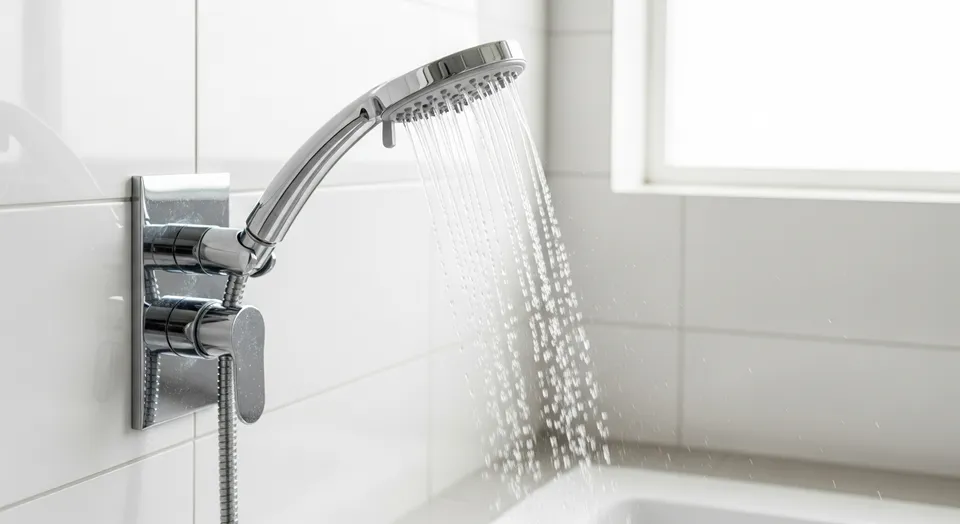
- Blocked showerhead — limescale clogs the spray holes, weakening the stream.
- Partially closed valve — a main shut-off or fixture valve not fully open silently throttles pressure.
- Failing pressure regulator — a worn regulator can drop (or spike) pressure for the whole house.
- Corroded or clogged pipes — common in older homes with galvanized steel piping; buildup narrows the pipe over time.
- A hidden leak — water escaping before it reaches your taps reduces pressure and wastes water.
- Water heater sediment — buildup in the tank restricts hot water flow specifically.
- Too many fixtures at once — simultaneous demand (shower plus dishwasher plus laundry) can temporarily lower pressure.
- Municipal supply issues — repairs, high demand, or main breaks can lower pressure temporarily.
- Well system problems — for homes on wells, a failing pump or waterlogged pressure tank cuts pressure (see our well pump guide).
Water Pressure at a Glance
How to Diagnose the Problem
A little systematic checking saves a lot of guesswork. Here's how to narrow it down:
Measure your actual pressure
Buy an inexpensive water pressure gauge and screw it onto an outdoor hose bib or your laundry tap. Turn the water on fully. A reading of 40–60 psi is healthy; below 40 confirms genuinely low pressure, and above 80 means pressure is too high (a different problem that also needs attention).
Check the main shut-off and meter valve
Make sure both the main shut-off inside your home and the valve near the meter are fully open. It's surprisingly common for one to be left partly closed after plumbing work — an easy fix that costs nothing.
Look for signs of a leak
With all water off in the house, check your water meter. If it's still moving, you likely have a leak. Also watch for damp spots, unexplained bill increases, or the sound of running water. The EPA notes household leaks waste enormous volumes of water annually — and a supply leak hits your pressure directly.
Isolate hot versus cold
Run hot and cold separately at the same fixture and compare. If cold is strong but hot is weak, you've narrowed the problem to the water heater or hot-water lines — most often sediment in the tank or scale in the pipes — rather than your main supply. If both are equally weak, the cause is upstream of the heater, in the incoming supply, the regulator, or the main line. This one comparison saves a lot of unnecessary troubleshooting and tells you (and your plumber) exactly where to focus.
Fixes You Can Do Yourself
Several of the most common causes are well within DIY range:
- Clean the aerator — unscrew it from the faucet tip, rinse out the debris, and soak it in vinegar to dissolve limescale. Reinstall and test.
- Soak the showerhead — remove it and soak in vinegar overnight, or tie a bag of vinegar around it. Clear the spray holes with a pin.
- Fully open your valves — confirm the main shut-off and any fixture valves are turned all the way on.
- Flush the water heater — if only hot water is weak, draining sediment from the tank can restore flow.
Work through these in order of effort. The aerator and showerhead take five minutes and a bit of vinegar, and they resolve the majority of single-fixture complaints. Opening valves fully costs nothing. Flushing the water heater takes longer but is well within reach for most homeowners. If you've done all of these and pressure is still poor, you've efficiently ruled out the easy causes and narrowed the problem to the regulator, the pipes, or a leak — exactly the information a plumber needs to fix it quickly.
The Pressure Regulator Explained
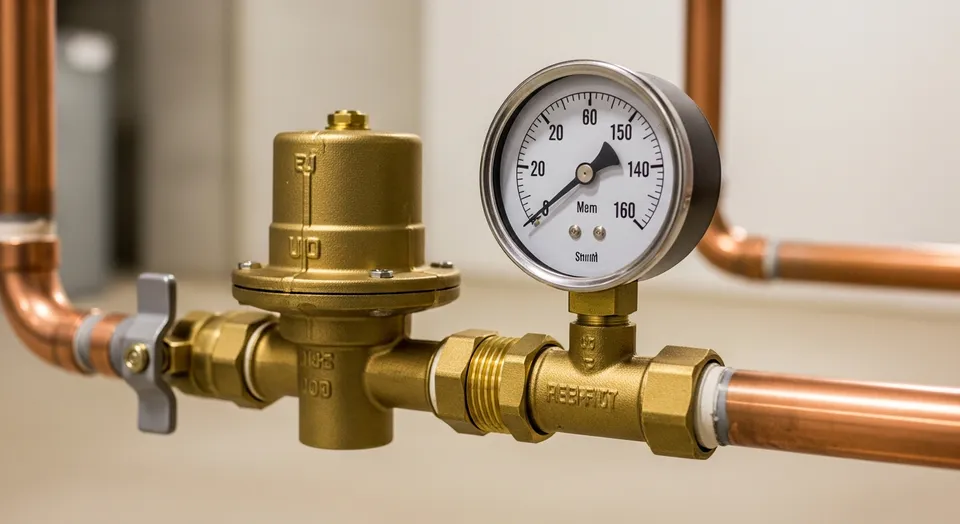
Many homes have a pressure reducing valve (PRV), usually located where the main water line enters the house. Its job is to lower the high pressure from the municipal main to a safe household level — typically around 50 psi — protecting your pipes, fixtures, and appliances.
Like any mechanical part, a regulator wears out. When it fails, it can drift in either direction: it might throttle your pressure down to a frustrating trickle, or fail open and let dangerously high pressure into your home, which strains fixtures and can cause leaks. A failing regulator is a leading cause of sudden whole-house pressure changes.
Regulators can sometimes be adjusted, but a failed one needs replacement. Because the work involves the main supply line and correct pressure calibration, it's a job for a professional. If your whole-house pressure has changed and your valves are open with no visible leak, the regulator is a prime suspect.
When Pressure Is Too High
It might seem counterintuitive in an article about low pressure, but excessively high water pressure is a genuine problem worth checking for — and it sometimes masquerades as other issues. If your pressure gauge reads above 80 psi, your plumbing is under more strain than it's designed to handle.
High pressure forces water through your system harder than necessary, which accelerates wear on faucet washers, fill valves, and appliance hoses. It's a leading cause of dripping taps, running toilets, banging pipes (water hammer), and prematurely failed dishwashers and washing machines. Over time, the constant stress can even cause pinhole leaks in pipes and burst supply hoses — an expensive way to discover a problem that a simple gauge would have caught.
The usual fix is the same component that often causes low pressure: the pressure reducing valve. If you don't have one and your municipal supply runs high, installing one protects your whole system. If you have one and pressure is still high, it has likely failed and needs replacement. Either way, it's worth addressing — keeping pressure in the 50–60 psi range extends the life of everything connected to your plumbing.
Ottawa-Specific Factors
A few local realities make certain pressure problems more common in the Ottawa area.
Hard water and mineral buildup
Ottawa's moderately hard water means limescale accumulates faster in aerators, showerheads, and water heaters. This is the single most common reason for gradually declining flow at individual fixtures here, and why a regular vinegar soak makes such a difference.
Older homes and aging pipes
Many older Ottawa neighbourhoods have homes with original galvanized steel piping. These pipes corrode and clog internally over decades, steadily reducing pressure throughout the house. When buildup is the cause, repiping with modern copper or PEX is the lasting fix.
Well systems in rural areas
For the many households on private wells around Ottawa, low pressure often comes from the pump or pressure tank rather than the plumbing. If you're on a well and pressure is dropping or fluctuating, see our well pump guide — a waterlogged pressure tank is a frequent culprit.
Quick Troubleshooting Checklist
Pressed for time? Work through this checklist in order. It mirrors how a plumber thinks about the problem and rules out the cheap, easy causes before the expensive ones.
Confirm the scope
Test hot and cold at several fixtures. One weak tap means a local clog; whole-house weakness means an upstream cause.
Check for recent changes
Did pressure drop suddenly or fade gradually? Sudden points to a valve, regulator, or leak; gradual points to scale or corroding pipes.
Inspect aerators and showerheads
Unscrew and clean the affected fixture's aerator or showerhead. This solves a huge share of single-fixture complaints.
Verify all valves are fully open
Check the main shut-off, the meter valve, and the small valves under sinks and behind toilets.
Measure your pressure
Use a gauge on a hose bib. Below 40 psi confirms low pressure; above 80 psi means it's too high.
Rule out a leak
With all water off, watch the meter. Movement means water is escaping somewhere — call for leak detection.
Call a pro for what's left
If valves are open, fixtures are clean, and there's no leak, the regulator or your pipes are the likely cause — time for a professional.
When to Call a Plumber
Call a professional if you've ruled out the simple causes and:
- The whole house has low pressure and your valves are fully open with no obvious cause.
- You suspect a leak — a moving meter, damp spots, or a high bill. We offer professional leak detection.
- Your pressure regulator may be failing or needs replacement.
- You have old galvanized pipes that may need replacement — see our plumbing replacement service.
- Pressure is too high (over 80 psi), which risks damaging your plumbing.
Our team and our trusted partner Plumbing Now diagnose and fix water pressure problems across Ottawa, including Orleans, Barrhaven, Kanata, Nepean, and Gloucester.
Repair Costs in Ottawa
| Service | Typical Cost (2026) |
|---|---|
| Aerator / showerhead replacement | $10 – $60 (DIY) |
| Pressure test & diagnosis | $100 – $250 |
| Pressure regulator replacement | $300 – $600 |
| Leak detection & repair | $300 – $1,200+ |
| Repiping (galvanized to PEX/copper) | $2,000+ |
For a complete overview of plumbing pricing, see our Ottawa plumbing cost guide. Diagnosing the true cause first ensures you spend on the fix that actually solves the problem.
It's worth remembering that the cheapest fixes — cleaning an aerator or showerhead, opening a valve — cost almost nothing, while the most expensive ones, like repiping a whole house, run into the thousands. That enormous range is exactly why the diagnostic order in this guide matters: spending fifteen minutes ruling out the simple causes can save you from paying for a repair you didn't actually need. And when the cause genuinely is a failed regulator, a hidden leak, or corroded pipes, addressing it promptly prevents the problem — and the cost — from growing.