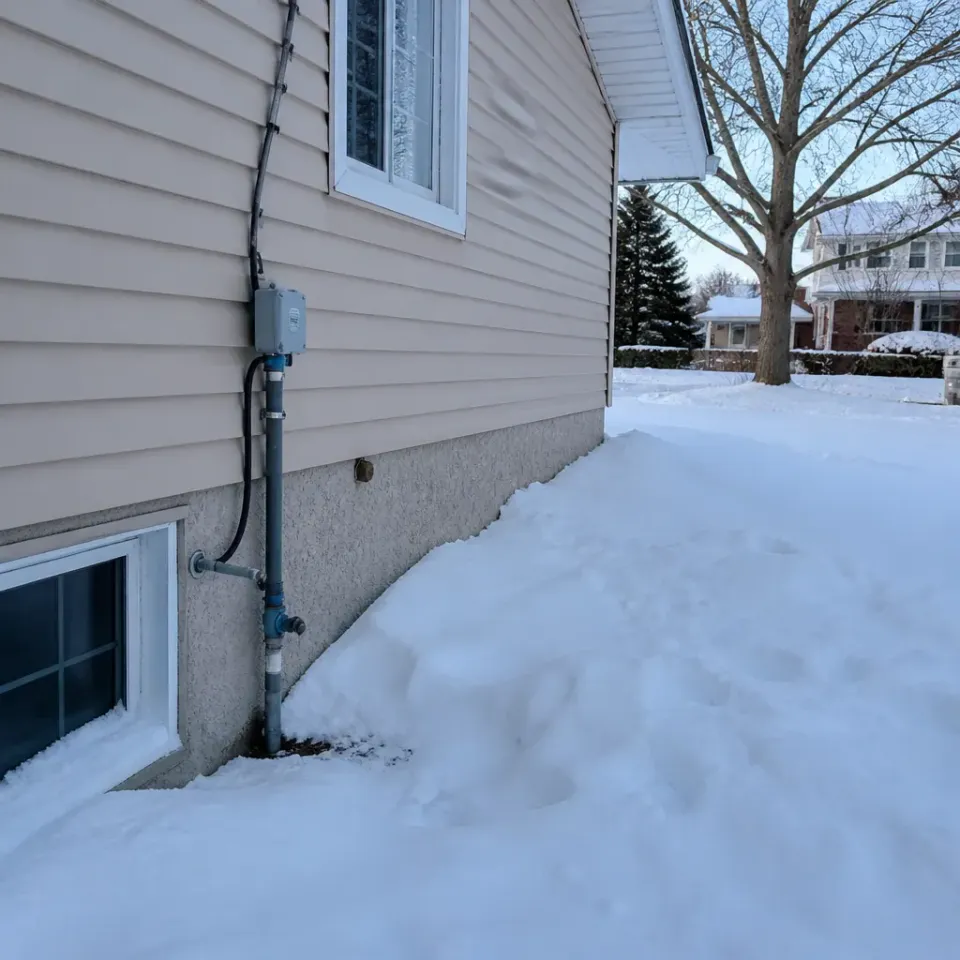

Key Takeaways
- A three-unit property may share water, hot-water or drain components; map the actual system instead of assuming each unit is independent.
- Record the exact unit, fixtures, timing and whether symptoms affect hot water, cold water or drainage.
- Stop water use and keep people away from sewage or water near electrical equipment during an active hazard.
- Keep a verified shutoff and cleanout map, maintenance notes and repair records with the property documents.
- Ottawa permit requirements depend on the work; the City lists plumbing alterations, additions and extensions as permit-required, except fixture replacement.
Why Triplex Plumbing Needs a Clear Plan
Plumbing in an Ottawa triplex serves three dwelling units, but that does not mean the building contains three completely independent systems. A property may have a common incoming water service, shared drain routes, a common water-heating arrangement or a mixture of shared and unit-level branches. The only reliable way to know is to trace and document the actual building.
For an owner, the practical challenge is often coordination. A small leak can affect a tenant’s cabinet, a shared wall or another unit below. A slow drain might be isolated to one fixture, or it may involve a branch used by more than one suite. A hot-water complaint can be tied to a fixture, a piece of equipment, timing or the way the building is arranged. Treat each report as useful evidence, not as a diagnosis.
This guide helps triplex owners build a maintenance and repair process: map shutoffs, collect consistent symptom details, plan safe access and compare clear scopes of work. It complements our Ottawa plumbing inspection guide, which covers household checks more generally. Here the focus is how to keep information organized across three units.
Map Shared and Unit-Level Components
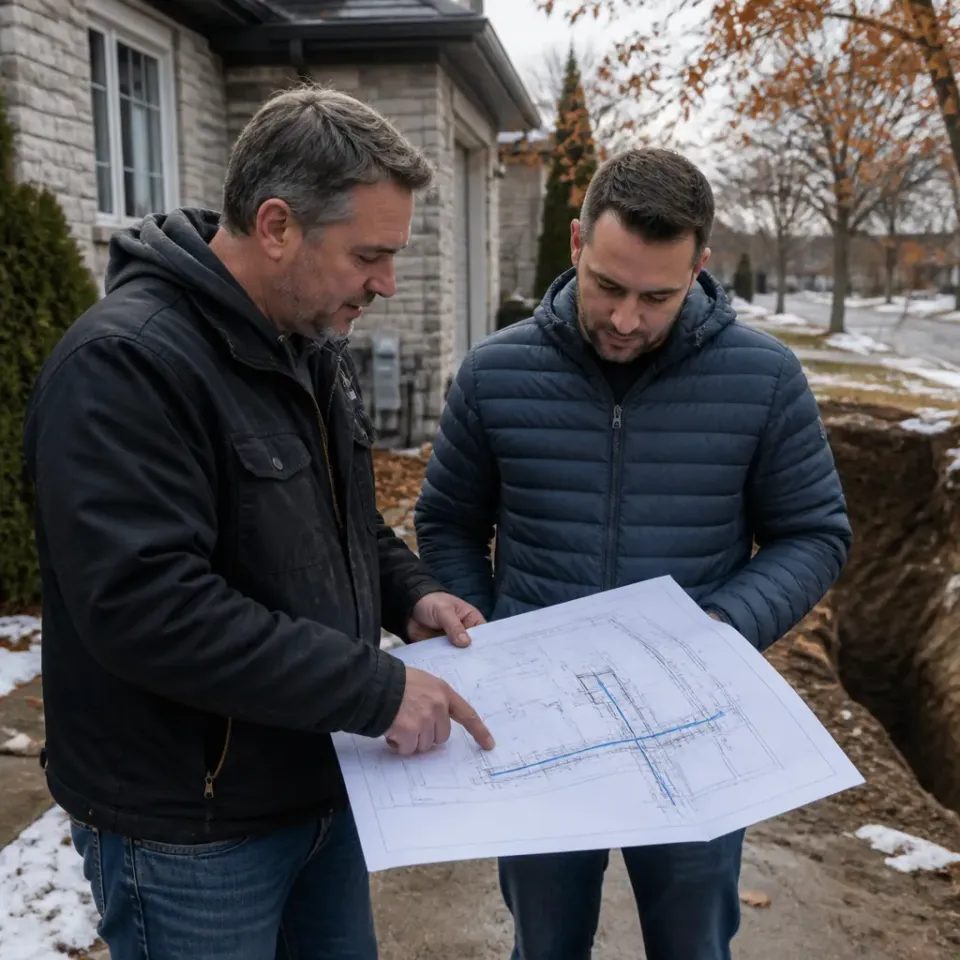
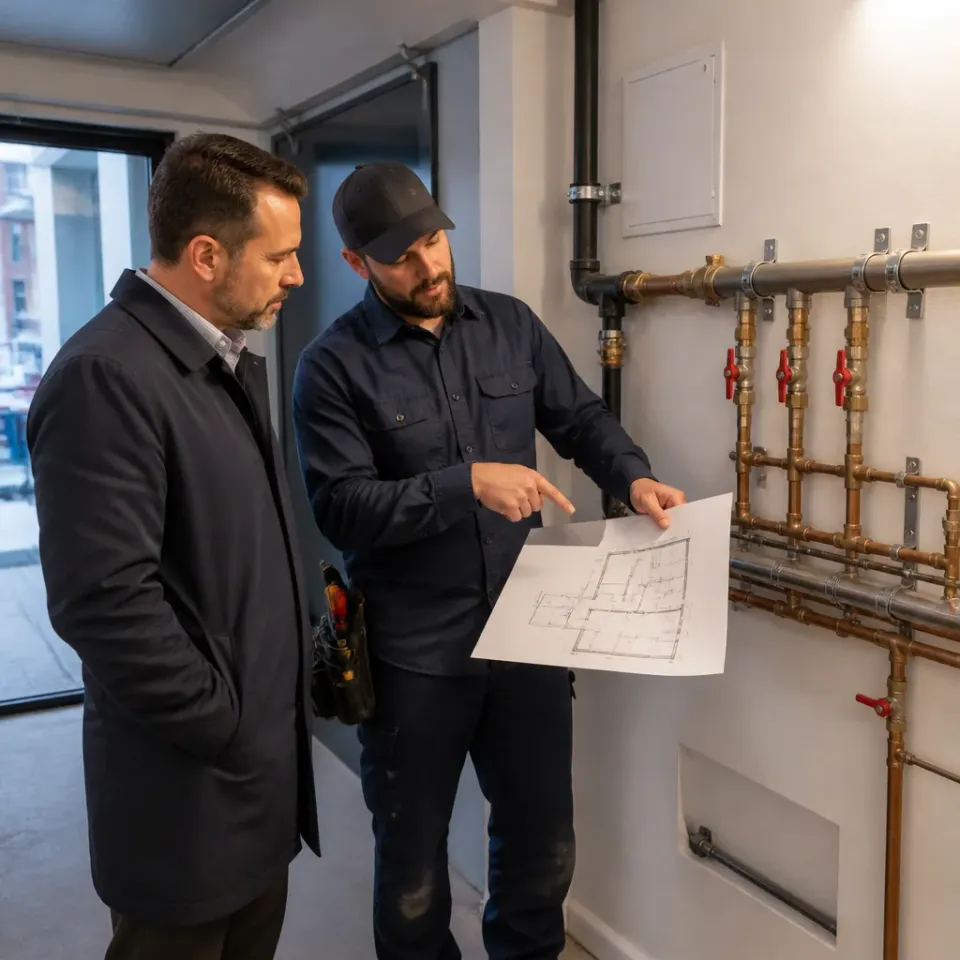
Begin with a simple building record. Mark the main interior shutoff, any accessible branch valves, fixture stops, water-heating equipment, floor drains and plumbing cleanouts. On each floor, note the kitchens, bathrooms, laundry equipment and visible supply and drain routes. If a valve or pipe disappears behind a ceiling, wall or slab, label the location as unknown rather than guessing where it leads.
Ask a plumber to verify the map during a service visit. A valve’s handle position does not establish which fixtures it controls, and a past label may no longer match the plumbing after renovations. A professional can trace accessible routes, test the shutoff where appropriate and explain whether a planned repair would affect one suite or the entire building.
Keep the record practical. Use one page for the shutoff and equipment locations, then add a short log for service dates, symptoms, repairs and follow-up recommendations. Save camera reports, photos of visible repairs, invoices, permit information and inspection records together. This can prevent a future contractor from having to start without knowing what work has already been done.
For a renovation that changes pipe routes or replaces aging sections, review our pipe replacement and repiping information. A triplex project involving a new bathroom or other fixture changes may also benefit from early planning with the team described in our Ottawa bathroom plumbing guide.
Track Pressure and Hot-Water Changes
When a tenant reports weak flow or inconsistent hot water, first collect the details. Ask which unit and fixture are affected, whether the problem occurs with hot, cold or both supplies, when it started, whether it happens every time, and whether another fixture in the same unit behaves differently. If residents can safely observe without dismantling equipment, these comparisons help describe the pattern.
A complaint in one shower does not establish that a triplex needs a new water heater. The issue could involve that fixture, a shutoff, a branch, the equipment or a change in demand; only an inspection can narrow the cause. Likewise, a pressure change reported by multiple units may warrant checking shared equipment or supply, but the pattern alone does not identify a failed component.
Do not increase a water-heater temperature or adjust a pressure-control device as a guess. Record when the symptom occurs, whether other residents notice it and any recent maintenance or interruption. Keep manufacturer information and service records for the installed equipment. If replacement or repair appears necessary, our Ottawa water-heater service page outlines the next step for a property-specific assessment.
| What residents notice | Useful details to record | Why the detail helps |
|---|---|---|
| Low flow at one fixture | Unit, room, hot or cold side, whether other fixtures are normal | Helps distinguish a local symptom from one reported across the building. |
| Hot water changes over time | Fixture, time, duration, recent use in other suites if known | Shows whether the issue is intermittent and what equipment or usage questions to investigate. |
| Several units report a change | Which floors and fixtures, when reports began, recent work or service interruptions | Creates a shared timeline for a plumber to assess common components. |
| New noise or visible leak | Exact location, whether water is active, nearby electrical equipment | Supports safe triage and helps the contractor prepare for access and repair. |
Respond to Drain and Sewer Symptoms
In a three-unit building, drain symptoms should be reported with the same care as water symptoms. Note whether one sink is slow, a toilet gurgles, several fixtures drain poorly, or wastewater appears at a floor drain. Record the unit and floor, when the problem started, whether other suites are affected and whether it followed a repair or heavy rain. Those details can help a plumber decide what to inspect first.
If wastewater is actively backing up indoors, ask residents to stop using water and keep people and pets out of the affected area. Do not pour drain chemicals into a backed-up line or ask a tenant to open a cleanout. Sewage can contain harmful contaminants, and an occupied building may have several people unknowingly using fixtures connected to the same route. Call for urgent professional help and explain which units and fixtures are involved.
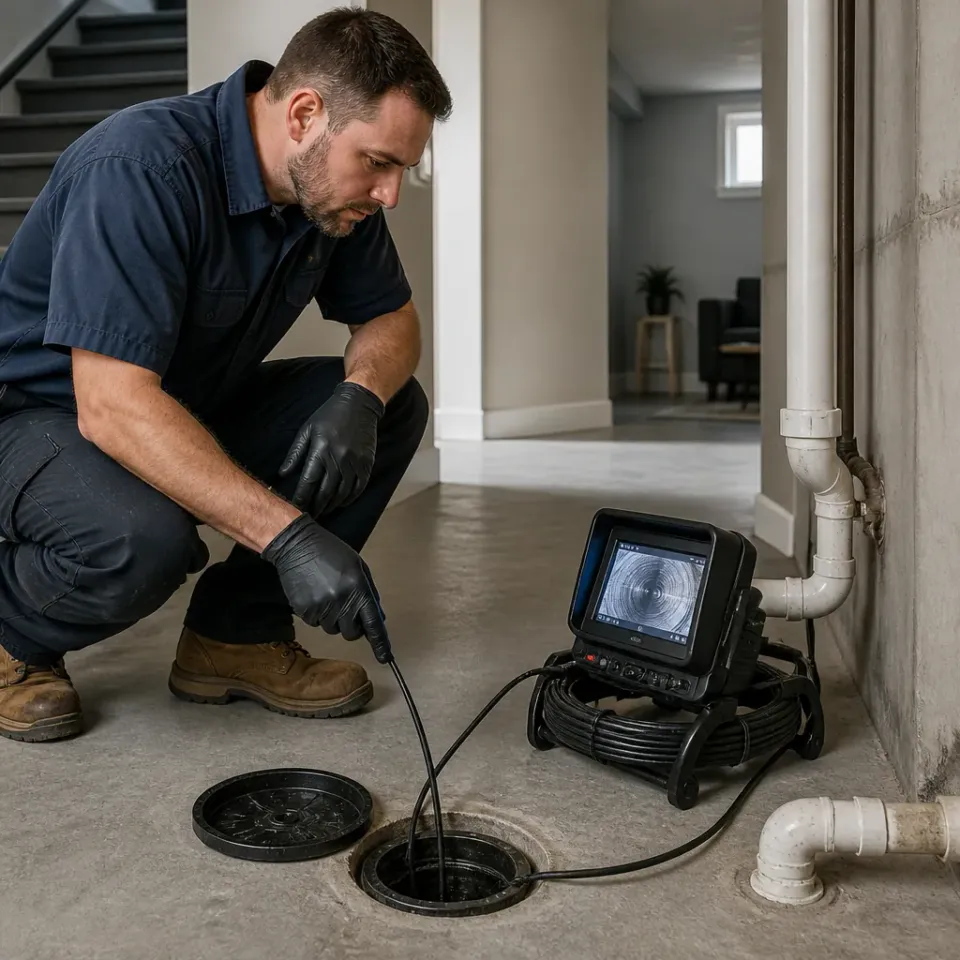
A recurring blockage deserves a diagnosis rather than repeated guessing. An Ottawa sewer camera inspection may document visible pipe conditions from a suitable access point. A camera cannot show every concealed connection or explain every cause on its own, so ask the contractor to connect the footage to a written recommendation. Our drain cleaning service guide and sewer repair information cover related next steps.
Protect the Building From Leaks
A leak report should answer three questions: where is the water visible, is it still flowing, and is anyone near an electrical or structural hazard? Ask the resident to avoid touching wet switches, outlets or appliances. If the area is safe and the resident knows a verified local shutoff, they may use it according to the property’s instructions; do not ask someone to reach through standing water or operate an unfamiliar valve.
If water is moving toward another unit, contact the affected residents and arrange access while a professional is on the way. Photograph visible damage only when it is safe, and preserve the time of the first report, the steps taken and any service notes. Our leak detection information explains how a professional may investigate a hidden leak when the source is not obvious.
Do not treat a ceiling stain, swollen cabinet or musty smell as proof of a particular leak. Water can travel away from its source and appear in another room or floor. A plumber may need to inspect the plumbing, while drying, restoration or other building professionals may be needed to assess the affected materials. Keep each role clear and ask who is responsible for follow-up.
Make emergency contact information easy to find for the owner or manager. A short resident handout can identify whom to contact, what details to report, how to stop water only if they have been shown the correct valve, and when to leave an unsafe area. The handout should not encourage tenants to disassemble pipes or perform work beyond their training.
Build a Practical Maintenance Routine
A maintenance routine for an Ottawa triplex should be based on the building’s condition and history, not a generic promise that a fixed number of visits will prevent every failure. During planned checks, review accessible plumbing for active drips, corrosion, stains, loose connections, unusual noises and damage around sinks, toilets, water-heating equipment and floor drains. Do not remove wall finishes or operate a valve that has not been tested or identified.
Create a seasonal and turnover checklist that fits the property. Confirm that tenants know how to report a leak, ask whether any fixture is slow or unreliable, and review recent service history. Before Ottawa’s coldest weather, pay attention to exposed pipes in unheated spaces and make sure the building is not left without adequate heat. For the City-managed water service, follow any notice addressed to the property and consult the City rather than assuming a private plumbing fix will resolve it.
After a major repair or renovation, update the system map, save the contractor’s report and confirm which areas were tested. If a leak or backup repeats, add each event to the record; pattern, location and timing may help a professional decide whether the next step is a local repair, a camera inspection or a broader assessment.
Make Tenant Reports Useful
Residents usually see the symptom before the owner does. Give them a simple way to report it and ask for details that matter: unit and room, fixture, when it began, whether it is getting worse, and whether it affects hot water, cold water or drainage. If there is a photo, ask for one taken from a safe, dry location. Do not ask residents to move heavy appliances, open walls or enter a mechanical space they are not authorized to access.
Compare reports across units without assuming that the tenants caused the issue or that one report proves a shared failure. If several residents independently mention the same change, give the plumber that combined timeline. If one fixture is affected while the rest of the unit is normal, record that too. Both patterns can help the contractor plan the visit.
Set expectations about access and shutdowns. Explain when the contractor needs to enter a suite, what area should be cleared, whether water will be unavailable and how residents will receive schedule updates. Follow the applicable tenancy rules and any permit or building conditions; a plumbing guide is not a substitute for legal advice about entry or notice.
For urgent water entering the home, a sewage backup or a leak that cannot be safely isolated, use the property’s emergency plan and contact an Ottawa emergency plumber. If the issue is stable and localized, schedule an assessment and keep the affected fixture out of use if a professional advises it.
Plan Repairs in an Occupied Triplex
A repair plan should identify which suites are affected, what access the contractor needs, whether the system must be shut off, and how residents will be notified. Ask whether the technician expects to work in a common area or a private unit, whether a second visit may be needed after inspection, and who will confirm that water or drainage service has returned. Do not promise residents that all work will be completed in one visit unless that has been confirmed.
The City of Ottawa lists plumbing alterations, additions and extensions among permit-required projects, with an exception for replacement of existing fixtures. For work that needs a permit, the City’s building inspection guidance describes stages that can include plumbing underground, rough-in and final inspection. Confirm the correct path for the specific job with the permit holder and City.
Compare repair proposals by looking at diagnosis, access, materials, testing, required approvals, restoration and exclusions. If a camera report or pressure test is part of the recommendation, ask what result would change the proposed repair. A quote should distinguish an immediate service-restoration step from any separate work intended to correct a structural or recurring issue.
A five-step triplex plumbing report
Use a consistent report to help the owner and plumber compare symptoms across three units.
Name the location
Write down the unit, floor, room and fixture without guessing at the hidden pipe route.
Describe the change
Record whether it is a leak, slow drain, weak flow, hot-water change, noise or backup.
Compare safely
Note whether nearby fixtures or other units report the same thing; do not run water during a backup.
Check for hazards
Keep people away from sewage, active leaks near electricity and unsafe mechanical areas.
Share the timeline
Give the plumber dates, recent repairs, photos taken safely and the known shutoff information.
Choosing a Triplex Plumbing Contractor
Look for a contractor who asks how the building is laid out, which units are occupied, what symptoms are recurring and where the accessible valves and cleanouts are located. Ask what they will inspect, how they will communicate with the owner or manager, what evidence or report you receive, and whether the quote includes testing or restoration. If a permit or inspection may apply, clarify who confirms and coordinates it.
Lister Plumbing lists plumbing maintenance, repairs, drain and sewer diagnostics, bathroom plumbing and renovation support for Ottawa triplex properties. Its triplex plumbing services in Ottawa can be reviewed alongside the scope for your building. Compare the contractor’s written findings and proposed work, rather than assuming one repair method suits every property.
For a property with two units instead of three, our Ottawa duplex plumbing planning guide covers the decisions involved in adding or renovating a second unit. For maintenance beyond a single issue, the annual plumbing inspection guide offers a broader checklist to discuss with a qualified professional.