Key Takeaways
- A silently leaking toilet can waste 75–750+ litres of water per day, inflating your bill.
- Use the dye test (food colouring in the tank) to confirm an internal flapper leak in minutes.
- Most internal leaks are cheap DIY fixes: flapper, fill valve, or flush valve.
- A leak at the base usually means a failed wax ring — fix it fast to avoid subfloor damage.
- Professional toilet leak repair in Ottawa typically costs $150–$450.
Why a Leaking Toilet Is Worth Fixing Fast
A leaking toilet is one of the most common — and most overlooked — plumbing problems in any home. Because the leak is often silent or hidden inside the tank, many homeowners don't realize anything is wrong until the water bill arrives or the bathroom floor starts to feel soft underfoot.
The two questions to answer are simple: where is it leaking, and how bad is it? An internal tank leak wastes water but is usually a quick, inexpensive DIY fix. A leak at the base of the toilet is more serious because the water travels under your flooring and can rot the subfloor or leak into the ceiling below.
This guide shows you how to pinpoint the source, fix the common causes yourself, and recognize when it's time to call a licensed plumber. If you'd rather have it handled today, our Ottawa toilet and fixture repair team can help.
The True Cost of a Leaking Toilet
Step 1: Find Where It's Leaking
Before you fix anything, you need to know the source. Toilets leak in three main places: inside the tank (into the bowl), between the tank and bowl, or at the base (onto the floor). Here's how to tell them apart:
Run the dye test
Add a few drops of food colouring to the tank water. Wait 15–20 minutes without flushing. If colour seeps into the bowl, your flapper or flush valve is leaking.
Check the floor
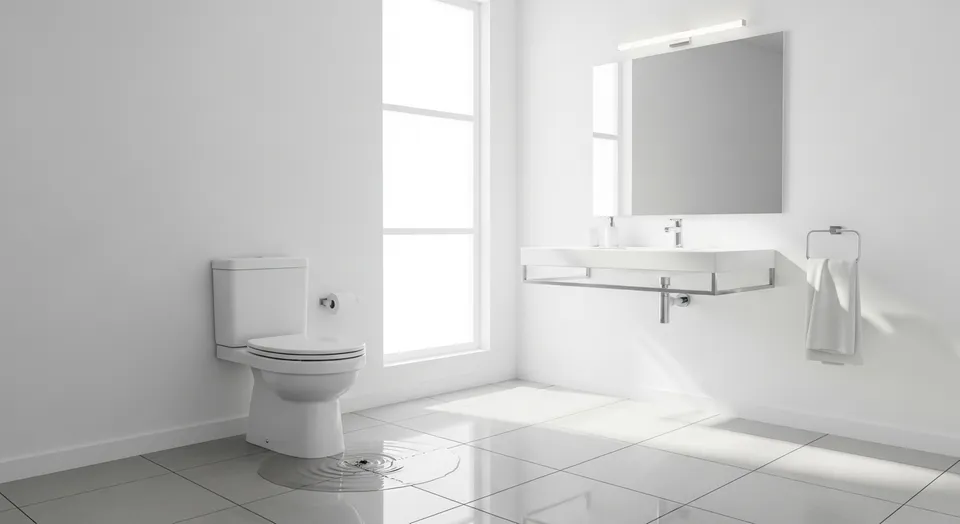
Dry the floor completely, then flush. If water reappears around the base, you likely have a failed wax ring or loose bolts.
Inspect the tank-to-bowl join
Look for drips between the tank and bowl during and after a flush — this points to worn tank bolts or the spud gasket.
Listen for phantom flushing
If the toilet refills on its own or hisses between uses, water is escaping the tank — usually the flapper.
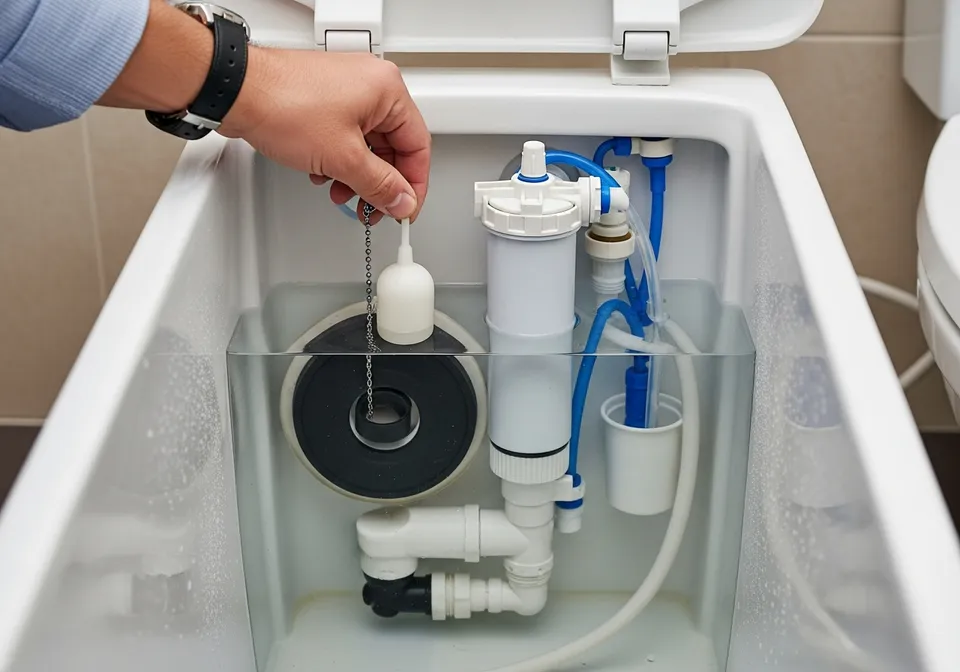
6 Common Causes of a Leaking Toilet
- Worn flapper — the rubber seal at the bottom of the tank hardens or warps over time and stops sealing, letting water trickle into the bowl. The #1 cause of running and leaking toilets.
- Faulty fill valve — a fill valve that won't shut off keeps sending water into the overflow tube, so the toilet runs constantly.
- Failed wax ring — the seal under the toilet degrades or breaks if the toilet rocks, causing leaks at the base with every flush.
- Loose or corroded tank bolts — the bolts and gasket connecting the tank to the bowl can loosen and drip.
- Cracked tank or bowl — hairline cracks in the porcelain leak slowly and usually mean the toilet needs replacing.
- Damaged supply line or shut-off valve — the flexible hose and valve feeding the tank can leak where they connect.
Fixing a Tank Leak Yourself
Internal tank leaks are the most DIY-friendly. The fixes below are inexpensive and require only basic tools.
Replacing the flapper
Turn off the supply valve, flush to empty the tank, unhook the old flapper from the flush valve and chain, and snap on a matching replacement. Reconnect the chain with a little slack and turn the water back on. This $10–$20 part fixes most running and leaking toilets.
Adjusting or replacing the fill valve
If water runs into the overflow tube, lower the float so the water stops about 2.5 cm (1 inch) below the top of the tube. If adjusting doesn't help, replace the fill valve — an affordable, widely available part.
Fixing a Leak at the Base
First, rule out the simple cause: condensation on the tank can drip onto the floor and mimic a leak. If the water genuinely appears after flushing, the wax ring is the likely culprit. Replacing it involves shutting off the water, draining and removing the toilet, scraping off the old wax ring, fitting a new one, and resetting the toilet on fresh bolts.
If a leak has already reached the floor or ceiling, you may need professional leak detection to confirm there's no hidden water damage.
Tank-to-Bowl and Supply Line Leaks
Two less obvious leak points sit between the tank and bowl, and at the water supply connection. They're easy to overlook because the water often appears lower down, making it look like a base leak.
Tank-to-bowl leaks
On two-piece toilets, the tank bolts to the bowl with rubber washers and a large spud gasket. Over years, these rubber parts harden and the bolts loosen or corrode, letting water seep out during a flush. If you see water on the floor only right after flushing — and the area between the tank and bowl is wet — this is likely the culprit. The fix is a tank-to-bowl repair kit: you drain the tank, remove it, replace the bolts and gasket, and reseat it. It's an intermediate DIY job that takes about an hour.
Supply line and shut-off valve leaks
The flexible braided hose that feeds water into the tank, and the shut-off valve on the wall, are common slow-leak sources. A loose connection often just needs tightening; a corroded or split hose should be replaced — they're inexpensive and widely available. If the shut-off valve itself drips or won't fully close, replacing it is a job many homeowners prefer to leave to a plumber since it involves shutting off water upstream.
Tools & Parts You'll Need
Most toilet leak repairs need only basic tools. Having these on hand before you start saves a mid-job trip to the hardware store:
- Adjustable wrench and pliers — for supply connections and tank bolts.
- A sponge, bucket, and towels — to drain and mop up residual tank water.
- Replacement flapper or fill valve — matched to your toilet model.
- Wax ring (or wax-free seal) — if you're tackling a base leak.
- Tank-to-bowl kit — bolts plus spud gasket, if needed.
- Food colouring — for the dye test.
- Latex gloves and a flashlight — for clean, well-lit work.
Wax-free seals (rubber or foam gaskets) are an increasingly popular alternative to traditional wax rings — they can be repositioned without ruining the seal, which makes resetting a toilet more forgiving for first-timers.
Toilet Repair Costs in Ottawa
| Repair | Typical Cost (2026) | DIY-Friendly? |
|---|---|---|
| Flapper replacement | $10–$20 part / $150–$250 pro | Yes |
| Fill valve replacement | $15–$40 part / $180–$300 pro | Yes |
| Wax ring replacement | $200–$450 pro | Intermediate |
| Tank-to-bowl gasket & bolts | $180–$350 pro | Intermediate |
| Supply line / shut-off valve | $150–$300 pro | Intermediate |
| Full toilet replacement | $400–$900 installed | No |
For a full breakdown across every plumbing job, see our Ottawa plumbing cost guide.
When to Call a Plumber
Call a licensed plumber if:
- The toilet leaks at the base and you're not comfortable removing it.
- You've replaced the flapper and fill valve but the leak continues.
- The tank or bowl is cracked.
- Water has reached the floor, walls, or ceiling below.
- Multiple fixtures are affected, which can signal a drain or venting issue — see our drain cleaning service.
For fast, reliable toilet repair, our team and our trusted partner Plumbing Now service all of Ottawa, including evenings and weekends.
Water Damage and Your Home
The reason base and supply leaks deserve urgency isn't the toilet itself — it's everything around it. A slow base leak releases a small amount of water with every flush, and because it travels under the flooring, you often don't see it until real damage is done.
In an upstairs bathroom, that water finds its way through the subfloor and shows up as a stain on the ceiling below — by which point the subfloor is likely already compromised. On any floor, persistent moisture leads to warped flooring, rotted subfloor, and mould growth, which the U.S. EPA notes can begin within 24 to 48 hours of materials staying wet. Mould remediation and floor repairs cost far more than the original leak fix.
There's also the water-waste angle. According to the U.S. EPA's WaterSense program, household leaks waste nearly 1 trillion gallons of water annually across the U.S., and a running toilet is one of the most common and wasteful offenders. A single silently leaking flapper can quietly add a noticeable amount to your monthly bill. Fixing a leaking toilet is genuinely one of the highest-return small repairs a homeowner can make.
If you suspect water has already spread beyond the toilet, don't paint or seal over stains hoping they'll stop — address the source and dry the area thoroughly. Professional leak detection can map hidden moisture so you repair everything affected, not just the visible part.
When to Repair vs Replace the Whole Toilet
Most leaks are a simple parts fix, but occasionally a leak is a sign the toilet itself has reached the end of its life. Knowing the difference saves you from repeatedly repairing a unit that should be replaced.
Repair makes sense when
The toilet is otherwise in good shape and the problem is a worn flapper, fill valve, supply line, wax ring, or loose bolts. These are inexpensive parts, and a quality toilet can easily last 20 to 30 years with periodic minor repairs. If you're happy with how it flushes and it isn't cracked, repair is almost always the right call.
Replacement makes sense when
A cracked tank or bowl is the clearest reason to replace — porcelain cracks cannot be reliably repaired and can fail suddenly, releasing a tank's worth of water at once. Other good reasons include a toilet that clogs constantly, wobbles due to a damaged flange, or is an old high-volume model. Older toilets can use 13 litres or more per flush, while a modern WaterSense-style low-flow toilet uses around 4.8 litres — a significant water saving over the years that often offsets the replacement cost.
If you're weighing a replacement as part of a larger project, our fixture repair and installation service covers both, and a new toilet is a natural addition to any bathroom renovation.
Preventing Future Toilet Leaks
- Don't ignore a running toilet — fix it the day you notice it to stop water waste.
- Replace the flapper every 4–5 years as preventive maintenance; it's a cheap part.
- Avoid drop-in tank cleaners with harsh chemicals — they degrade rubber seals faster.
- Tighten a rocking toilet promptly so the wax ring doesn't break.
- Run an annual dye test on every toilet to catch silent leaks early.