Key Takeaways
- Russell-area addresses can have different water and wastewater arrangements; confirm the system at the property instead of guessing from the community name.
- A problem at one fixture is different from low pressure or a backup affecting the whole home. Note exactly what works and what does not.
- Share the civic address, system type, access details, symptom timeline, and any recent plumbing work when booking.
- Private wells and septic systems have separate responsibilities and may require different specialists from household plumbing.
- For an active leak, sewage backup, or water near electricity, prioritize safety and get urgent help rather than testing more fixtures.
First, Identify the System at Your Russell Address
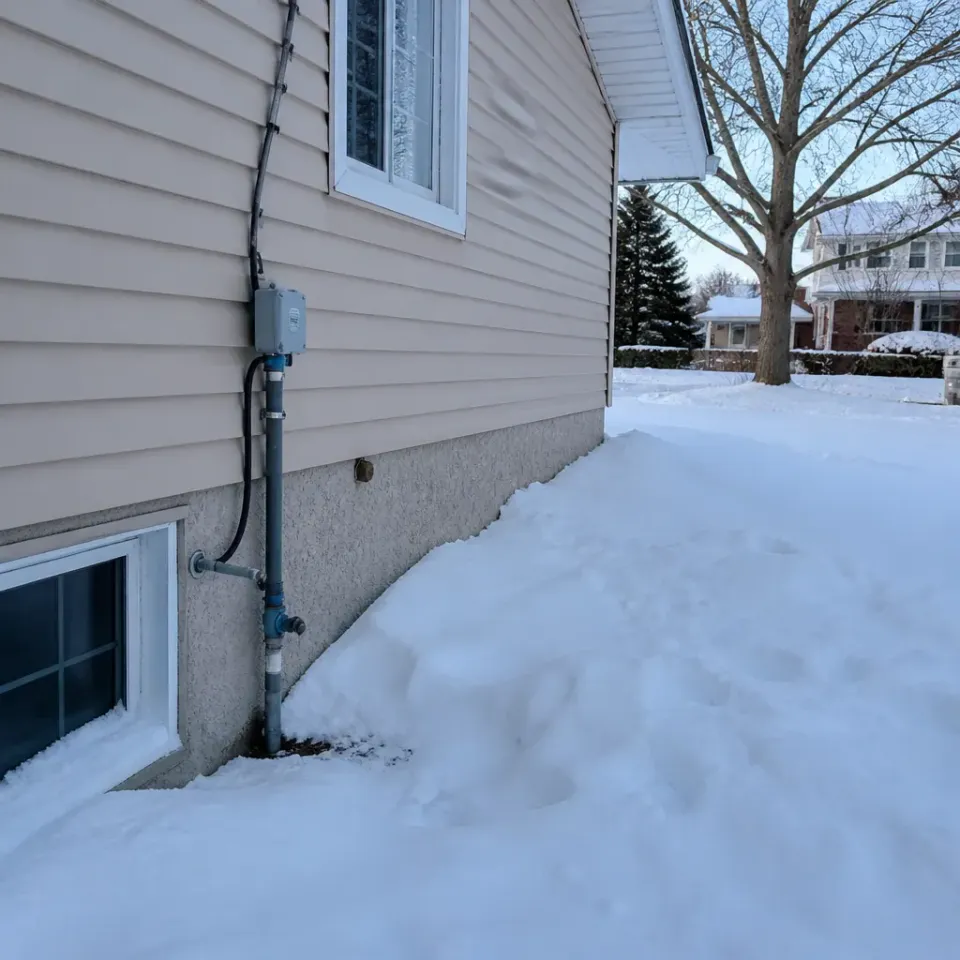
Searching for a plumber in Russell, Ontario is only the first step. Before you book, it helps to know whether the concern is inside the home's plumbing, connected to a private water or wastewater system, or related to a municipal service. Russell can refer to the village or the broader Township, and nearby properties do not all share the same setup. Do not infer the system from a postal address or from what a neighbour has.
The Township of Russell publishes information about municipal water and sewer services and has separate guidance for private wells and septic systems. Its guidance says property owners are responsible for the installation, maintenance, and repair of private wells and septic systems on their property. That distinction matters when deciding who to call: an indoor faucet leak, a well pressure problem, and a septic-field concern are not automatically the same kind of appointment.
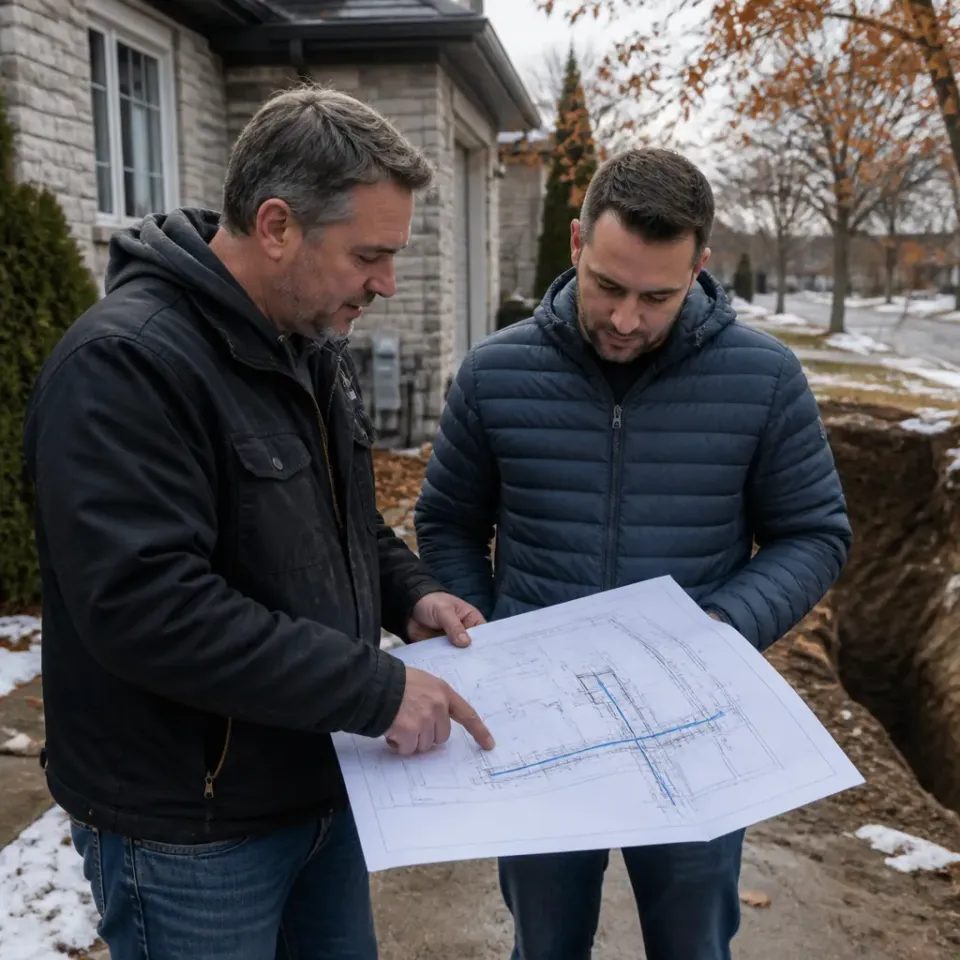
If you are unsure which system serves the home, check purchase or inspection records, ask the property owner or manager, or confirm with the Township before arranging work that depends on a service connection. If the issue appears to affect municipal service rather than one home's pipes, review Township utility notices and contact the appropriate municipal department. A plumber can repair household plumbing, but should not be assumed to manage a public-system issue.
For a private well, distinguish the pump and pressure equipment from the pipes and fixtures inside the house. A well technician or plumber may handle different parts of that system, so describe what you know when you call. Our guide to well pump lifespan and warning signs explains common pump and pressure-tank symptoms without treating every no-water problem as a pump failure.
What the Symptoms Tell You
You do not need to diagnose the repair before calling. A short, accurate description is more useful than a guess about which part has failed. Start by checking whether the symptom is limited to one fixture or affects several rooms, and whether it happens continuously or only while a tap, appliance, or drain is being used. Stop any check that could expose you to water, electricity, sewage, or a stuck valve.
One fixture is affected
If a single faucet has weak flow while other taps work normally, the issue may be local to that fixture or its supply connection. A slow sink that stays dry is a different problem from a leaking drain joint. Note whether the water pressure changes when the fixture is used, whether moisture appears under the basin, and whether the problem began after recent work.
Several fixtures have low pressure or no water
When several taps change at once, the cause may be farther upstream. In a home on a private well, tell the service provider whether the pump is running, cycling frequently, or making an unfamiliar sound—but do not open electrical equipment or adjust a pressure switch. On a municipal connection, check whether there is a service notice or ask the Township about a possible interruption. Our low water-pressure guide covers common household causes and safe first observations.
More than one drain is backing up
A blockage in one basin may be local; gurgling, sewage odour, or backup at multiple fixtures can point to a larger drain or sewer problem. Stop adding water to a line that may already be blocked. Tell the plumber which fixtures are affected and whether the problem appeared after heavy water use. The Ottawa guide to sewer-line backups and camera inspections explains why recurring whole-home symptoms deserve a broader assessment.
What to Have Ready for a Service Call
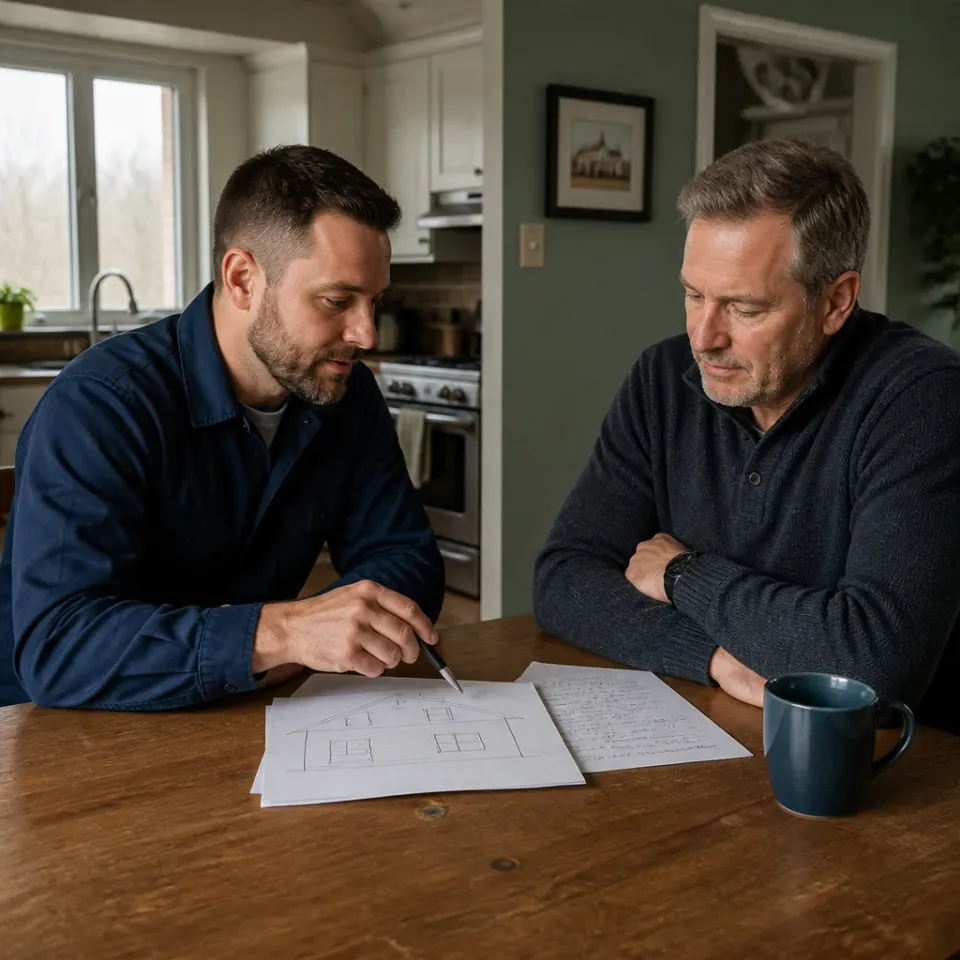
A little preparation can reduce repeat questions and help the plumber bring suitable tools. You do not need to take anything apart. Write down what you have observed and gather information that is safe to access. If a landlord, condo board, or property manager controls shutoffs or authorizes repairs, contact them before arranging work unless the situation requires immediate emergency action.
- The exact civic address. Include the unit, entrance, driveway or gate instructions, and the community name if it helps locate a rural property.
- The water and wastewater setup. Say whether the home is on municipal service, a private well, a septic system, or a combination, if you know.
- The first symptom and when it started. Note whether it began suddenly, follows water use, appears only at certain times, or is getting worse.
- What still works. Identify the affected fixtures and any unaffected taps, toilets, drains, or appliances.
- Recent changes. Mention renovation work, a new appliance, a shutoff, an extended vacancy, or a repair in the same area.
- Safe photos. A picture of visible moisture, a fixture, or a labelled utility area can help explain the issue. Do not move heavy equipment or open electrical panels to take one.
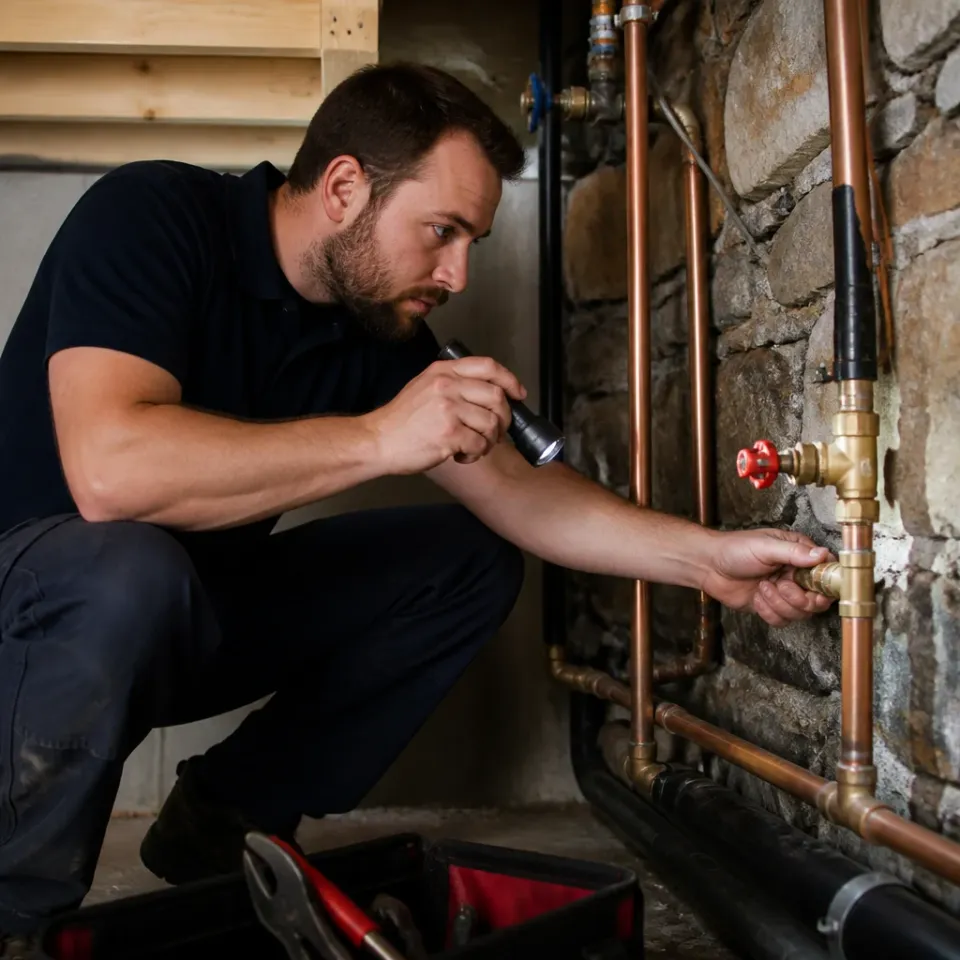
If water is actively leaking, you can point out the nearest shutoff if you know what it controls and it turns easily. Do not test an old valve just to report its condition. If it is stuck, badly corroded, or begins to leak when touched, leave it alone and tell the plumber. Keeping a clear path to the affected fixture or utility area is usually more helpful than trying to make a repair before the visit.
These details are useful whether you are booking a routine repair or calling about a sudden loss of water. For larger repairs, keep any inspection report, previous invoice, appliance manual, or water-system record nearby. You can also ask the provider to explain what additional diagnosis would be needed if the source cannot be confirmed during the first inspection.
Local Access, Rural Properties and Seasonal Use
Russell Township includes homes with different layouts and service arrangements. On some properties, the main plumbing is easy to reach from a basement utility room; on others, the well equipment, water treatment, or a long run to an outbuilding may be separate from the main house. Tell the plumber what buildings are involved and where the symptoms appear instead of assuming every water line is connected to the same accessible area.
For a rural address, practical access information matters. Mention a long or shared driveway, a locked gate, a difficult entrance, a detached well house, or a mechanical room reached from outside. If the problem is in an outbuilding, identify whether it has heat and whether water has been left on. The technician can then ask whether access, a second person, or a different appointment window is needed.
Seasonal or recently vacant homes need a little more context. Say when water was last used, whether a system was shut down, and whether the issue appeared during a restart or after a cold period. Do not turn on a pump or open a line simply to see what happens if you suspect freezing or a leak. Water can damage finished areas quickly, and a frozen section may be hidden behind a wall or floor.
If the property has a private well and septic system, identify where the well equipment and septic access are located, but do not open a tank or enter a confined space. A home plumbing repair and a septic-system inspection have different scopes. Township guidance explains that owners are responsible for private wells and septic systems; it is sensible to ask which professional should handle the specific equipment before authorizing a visit.
Property-specific facts are more useful than broad assumptions about the neighbourhood. A plumber can work from the address, your description, and safe access to the affected area. If you are arranging help from outside Russell, confirm service coverage for the exact address and ask about travel or scheduling details before the appointment.
Questions to Ask Before Work Starts
Before approving a repair, make sure you understand what the visit will cover. Ask whether the first step is an assessment, a repair, or both, and what the provider will do if the first suspected cause is not confirmed. If a problem may involve a private well, municipal connection, or septic equipment, clarify which part is included and which specialist might be needed for anything outside the plumber's scope.
- Does the company service this exact Russell Township address and the type of plumbing system on the property?
- What does the diagnostic or dispatch charge include, and will you approve additional work before it begins?
- Will the quote identify labour, parts, testing, and any follow-up work separately?
- How will the repair be tested, and what should you watch for after the technician leaves?
- Could the proposed work change piping, fixtures, or building conditions in a way that needs a permit or another approval?
- Who should be contacted if the issue turns out to involve municipal equipment, a well pump, or a septic component?
Get the scope in writing when practical, especially for a repair that may uncover additional damage. A clear description should say what will be repaired, which parts are included, how the work will be tested, and how a change in scope will be approved. If you want a broader checklist for comparing credentials, estimates, and service terms, see our homeowner's guide to plumbing services in Ottawa.
Plumbing Now's service-area page describes its Embrun service as reaching surrounding Russell Township communities. If you are considering Plumbing Now's plumber service for Russell Township and Embrun, confirm your civic address, the system involved, and the work you need when you request an appointment. A listed service area is a useful starting point, not a substitute for confirming the details of a specific job.
When It Is an Emergency
Some problems should not wait for a routine service window. A burst supply pipe, water spreading across a floor, an overflowing fixture that will not stop, or sewage backing up into the home can cause damage and create health risks. If it is safe and you know which valve controls the leak, close it gently; otherwise keep clear and tell the dispatcher what is happening. Do not enter standing water near electrical equipment.
For a suspected sewer backup, stop running water and avoid flushing toilets until the cause is understood. If several fixtures are affected, mention that clearly. For a sudden no-water problem on a private well, do not work on pump wiring or pressure controls yourself; explain whether the equipment is running and arrange assessment by a suitable provider. If municipal service may be interrupted, check Township notices as well as the household plumbing.
Tenants and condo residents should notify the landlord, property manager, or building contact promptly, particularly if a shutoff affects more than one unit. In an active emergency, follow the building's urgent procedures while arranging qualified help. Our guide to what to do before an emergency plumber arrives covers safe ways to limit damage without attempting a complex repair.
Whether the issue is urgent or planned, the best first call is the one that clearly explains the address, the system, and the symptom. Confirm who will assess the problem, what the initial visit includes, and how any added work will be approved. That gives you a better basis for choosing a plumber in Russell and helps the right professional arrive prepared.