Key Takeaways
- Start with the gentlest method: boiling water, then a plunger, then baking soda and vinegar.
- A drain snake (auger) is the most reliable DIY tool for stubborn clogs.
- Avoid chemical drain cleaners — they damage pipes and often don't clear full blockages.
- Multiple drains backing up at once usually means a main sewer line problem — call a plumber.
- Most clogs are preventable with drain screens and keeping grease, hair, and food out of drains.
Why Drains Clog in the First Place
A clogged or slow drain is one of the most common plumbing problems in any home — and one of the most frustrating. Whether it's a kitchen sink that won't empty, a shower that leaves you standing in ankle-deep water, or a bathroom sink that drains at a crawl, the cause almost always comes down to something building up inside the pipe.
The most common culprits are grease and fat in kitchen drains, hair and soap scum in bathroom and shower drains, food scraps, mineral buildup from hard water, and foreign objects that simply shouldn't have gone down the drain. Over time, these materials cling to the pipe walls and narrow the passage until water can barely get through.
The good news: most clogs can be cleared at home with the right approach and a little patience. This guide walks you through the safest, most effective methods in order — and shows you how to recognize when a clog is actually a sign of a bigger problem that needs our professional drain cleaning service.
Start Here: The Safe First Steps
Before reaching for any tool, take a moment to assess the situation. The right first move depends on how bad the clog is and whether it affects one fixture or several.
Stop adding water
If the sink or tub is filling up, stop running water immediately. Adding more only makes the mess worse and won't help clear the blockage.
Check if it's one drain or many
Run water in nearby fixtures. If only one drain is slow, it's a local clog you can likely fix yourself. If several back up at once, the problem is deeper in the line — skip to the 'when to call a plumber' section.
Remove visible debris
For a shower or sink, pop out the stopper or strainer and pull out any visible hair, food, or gunk near the opening. Surprisingly often, the clog is right there.
Try boiling water first
For a sluggish drain (not a fully blocked one), slowly pour a kettle of boiling water down in two or three stages. This alone can melt away grease and soap buildup in many kitchen and bathroom drains.
7 Proven Ways to Unclog a Drain
Work through these methods in order, from gentlest to most aggressive. Most clogs give up well before you reach the bottom of the list.
- Boiling (or hot) water — the simplest fix for grease and soap buildup in a slow drain.
- A cup plunger — create a tight seal over the drain, fill the basin with a few inches of water, and plunge firmly 10–15 times. This is the workhorse method for most clogs.
- Baking soda and vinegar — pour half a cup of baking soda, then half a cup of vinegar, let it fizz for 15–30 minutes, then flush with hot water. Good for minor organic buildup and odours.
- Dish soap and hot water — especially effective for greasy kitchen clogs; the soap helps break down fat so it can flush away.
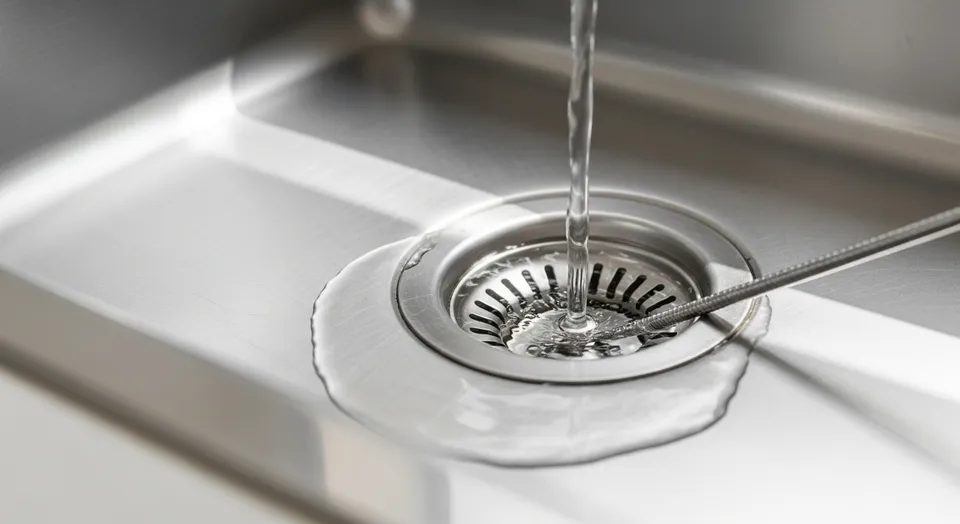
- A drain snake or auger — feed the cable into the pipe, turn the handle to hook or break up the clog, and pull it out. The most reliable DIY method for hair and deeper blockages.
- Clean the P-trap — the curved pipe under a sink. Place a bucket beneath it, unscrew the slip nuts, and clear out the trapped debris. Many sink clogs live right here.
- A wet/dry vacuum — set to liquids, create a seal over the drain, and use suction to pull the clog back out. A clever option when plunging fails.
Drain Clogs by the Numbers
Unclogging by Fixture
Each type of drain clogs a little differently, so the best approach varies by fixture.
Kitchen sink
Kitchen clogs are almost always grease and food. Start with hot water and dish soap, then plunge. If you have a garbage disposal, make sure it's clear and run it with cold water. Cleaning the P-trap under the sink resolves a large share of kitchen clogs.
Bathroom sink
The usual cause is hair bound together with soap scum and toothpaste. Remove and clean the pop-up stopper first — it's often wrapped in debris. A small drain snake or even a plastic hair-clearing strip works wonders here. Remember to block the overflow hole when plunging.
Shower and tub
Hair is the number-one offender. Pull the strainer or stopper, clear visible hair, then use a drain snake to reach deeper clumps. A plunger can work on tub drains if you block the overflow plate first.
Toilet
Use a flange plunger (the type with an extra rubber flap) for a proper seal, or a toilet auger designed to navigate the bowl's trap without scratching it. Never use a regular drain snake in a toilet. If plunging doesn't work, see our toilet repair guide for related issues.
Garbage Disposal Clogs
A garbage disposal adds a twist to kitchen clogs. When the sink backs up and you have a disposal, the blockage is often right at the unit or in the drain line just past it. The first thing to know is what's safe to put down a disposal in the first place: it handles soft food scraps, but fibrous items (celery, corn husks, onion skins), starchy foods (pasta, rice, potato peels), coffee grounds, eggshells, and grease are notorious for jamming or clogging it.
Cut the power
Before reaching anywhere near the disposal, switch it off at the wall and unplug it under the sink. Never put your hand into a disposal that has power.
Check for a jam
If the disposal hums but won't turn, it's jammed. Use the hex key that came with it in the slot underneath to manually rotate the blades and free the obstruction.
Hit the reset button
Disposals have a small red reset button on the bottom. If the motor is dead silent, press it and try again — an overloaded unit often just tripped its breaker.
Clear the drain line
If the disposal runs fine but water still backs up, the clog is downstream. Clean the P-trap and snake the line as you would any kitchen drain.
Always run plenty of cold water while using a disposal and for several seconds afterward — cold keeps any fats solid so they get chopped and flushed rather than coating the pipe. If your disposal repeatedly clogs or leaks, it may be reaching the end of its life and need replacement by a professional.
Tools That Actually Work
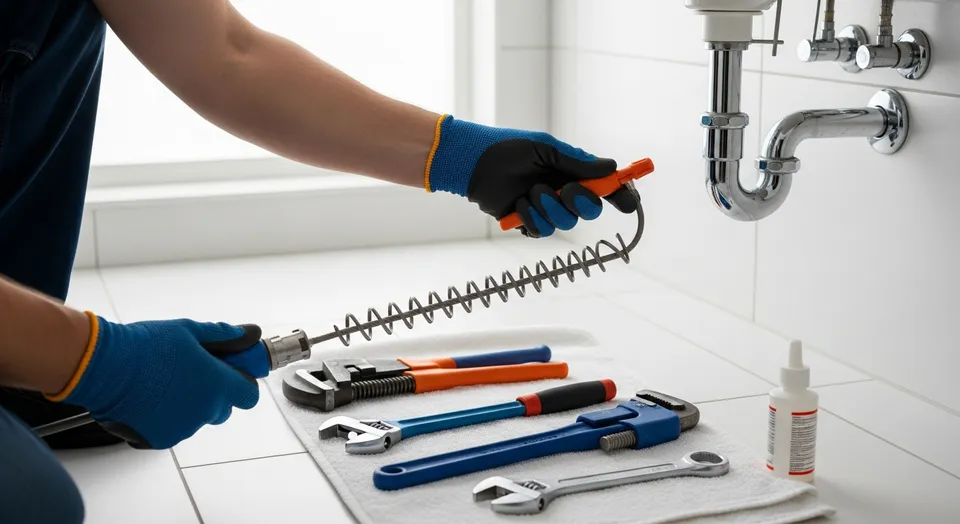
A small kit of inexpensive tools handles the vast majority of household clogs. It's worth keeping these on hand:
- Cup plunger — for flat-surface drains like sinks and tubs.
- Flange plunger — shaped for toilets, with a better seal.
- Hand-crank drain snake (1.5–7.5 m) — for clogs beyond plunger reach.
- Plastic hair-clearing strip — cheap, disposable, and excellent for bathroom drains.
- Adjustable pliers and a bucket — for removing and cleaning the P-trap.
- Wet/dry vacuum — a powerful backup when suction is needed.
For clogs deeper than a hand auger can reach, plumbers use a motorized drain machine or high-pressure water jetting, which clears the full diameter of the pipe — something no consumer tool can match.
Natural Methods vs. Chemicals
When a drain slows down, the aisle of brightly coloured chemical drain cleaners can be tempting — but they're rarely the right choice. Understanding the trade-offs helps you pick a method that clears the clog without creating a new problem.
Natural and mechanical methods — boiling water, baking soda and vinegar, a plunger, or a drain snake — physically remove or break down the blockage. They're inexpensive, safe for your pipes, and safe for the environment. A drain snake in particular pulls the clog out entirely rather than just punching a hole through it, which is why the same drain stays clear longer.
Chemical drain cleaners, by contrast, rely on harsh caustic or acidic reactions to dissolve organic matter. They generate heat that can warp PVC, corrode older metal pipes, and degrade rubber seals and gaskets over time. They frequently fail to clear a full blockage, leaving a tube of caustic liquid sitting in your pipe — a hazard for you and for any plumber who later has to open that line. They're also harmful to septic systems and the wider water system.
The bottom line: reach for mechanical methods first, every time. If boiling water, a plunger, and a snake can't clear it, the clog is telling you it needs professional equipment — not stronger chemicals.
What NOT to Do
- Don't rely on chemical drain cleaners — they corrode pipes, damage PVC and seals, and often fail to clear a full blockage while leaving caustic liquid behind.
- Don't plunge after using a chemical cleaner — you risk splashing caustic liquid onto your skin and eyes.
- Don't force a drain snake through a sharp bend — you can scratch or puncture the pipe.
- Don't ignore repeat clogs — a drain that clogs again and again signals a deeper problem.
- Don't keep running the garbage disposal if water is backing up — it won't clear the clog and can overflow.
The U.S. EPA and many municipalities discourage chemical drain cleaners precisely because of the pipe damage and safety hazards they cause. Mechanical clearing is safer and more effective.
Ottawa Homes: Winter & Hard Water
A few local realities make drain problems more common — and sometimes more serious — for Ottawa homeowners than the generic advice online suggests.
Winter and frozen drain lines
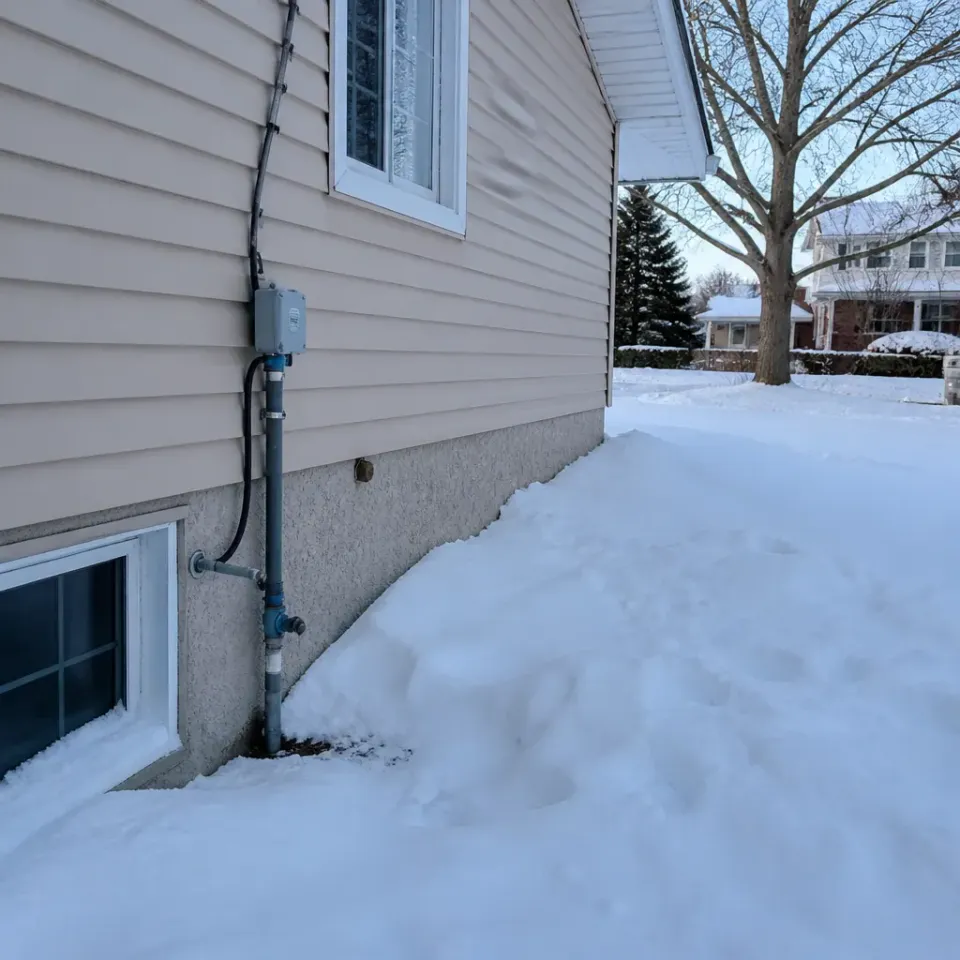
Ottawa winters are long and cold, and drain or vent lines that run through unheated spaces — garages, crawl spaces, exterior walls — can freeze. A drain that suddenly slows or stops in a deep freeze, especially with no obvious clog, may be frozen rather than blocked. Never pour boiling water down a pipe you suspect is frozen; the rapid temperature change can crack it. Gentle, gradual warming is safer, and a plumber can locate and thaw the line without causing damage. Frozen drains often go hand-in-hand with frozen supply pipes, which are a more urgent emergency.
Hard water and mineral scale
Ottawa's moderately hard water leaves mineral scale inside pipes, fixtures, and drains over time. This buildup narrows the pipe's interior and gives grease and debris something to cling to, so drains in the region tend to clog faster than in soft-water areas. Regular hot-water flushing and the occasional vinegar treatment help keep scale in check.
Older homes and mature trees
Many established Ottawa neighbourhoods feature older homes with aging clay or cast-iron sewer laterals and large, mature trees. Tree roots seek out the moisture in sewer lines and infiltrate through tiny cracks and joints, causing repeat backups that no amount of plunging will solve. If you have an older home with big trees and recurring main-line clogs, a camera inspection is the smart next step.
When to Call a Plumber
Some clogs are beyond DIY and signal a problem that will only get worse. Call a professional if:
- Multiple drains back up at once — a strong sign of a main sewer line blockage.
- Water backs up in a different fixture when you use another — for example, the tub fills when you flush a toilet.
- You smell sewage or hear persistent gurgling from drains.
- The same drain clogs repeatedly despite your best efforts.
- Your home has mature trees — roots commonly invade older sewer lines.
A slow drain is different from water escaping beneath the sink or around the basin. If the cabinet gets wet during normal use, our Ottawa sink repair guide explains how to narrow down the leak before you call.
For recurring or deep clogs, a camera inspection pinpoints the exact problem, and our sewer line repair team can handle anything from root intrusion to collapsed pipe. Our trusted partner Plumbing Now provides professional drain cleaning across Ottawa.
Drain Cleaning Costs in Ottawa
| Service | Typical Cost (2026) |
|---|---|
| Basic drain snaking (single fixture) | $150 – $300 |
| Main line clearing | $250 – $600 |
| Hydro-jetting | $400 – $900 |
| Camera inspection | $200 – $450 |
| Root removal / sewer service | $500+ |
For a full breakdown of plumbing service pricing, see our Ottawa plumbing cost guide. Clearing a clog early is almost always cheaper than waiting for a full backup that can cause water damage.
How to Prevent Future Clogs
- Use drain screens in every sink, tub, and shower to catch hair and food before they enter the pipe.
- Never pour grease down the drain — let it cool and throw it in the garbage. Grease is the leading cause of kitchen clogs.
- Run hot water after each use to keep buildup from settling on the pipe walls.
- Flush only toilet paper — "flushable" wipes, cotton, and hygiene products cause major blockages.
- Clean stoppers and strainers regularly to clear the debris that collects there.
- Consider periodic maintenance — a yearly professional cleaning keeps high-use drains clear, especially in older Ottawa homes with aging pipes.
A few simple habits prevent the vast majority of clogs. And if a clog turns out to be more than a surface blockage, don't hesitate to call — catching a sewer-line issue early can save you from a much more expensive repair down the road.