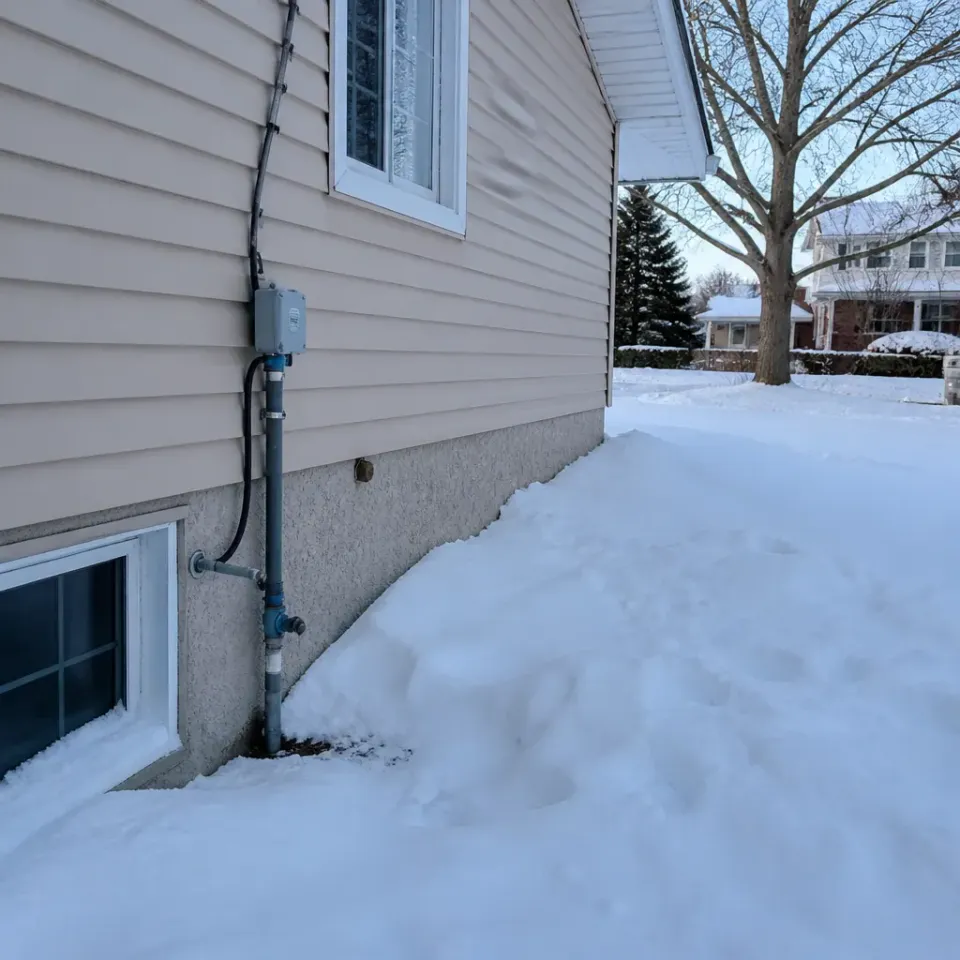
A backwater valve is a mechanical part of your home's drainage system. It needs an accessible chamber, a gate that can move, and an installation suited to the pipe it protects. A valve that has not been checked for years may look reassuring under a floor cover while grease, lint, wipes, mineral deposits, or damage prevent it from closing properly. Routine attention is a practical part of sewer-backup prevention in Ottawa, where heavy rain and fast snowmelt can put pressure on local drainage systems.
Maintenance does not mean opening the chamber whenever clouds gather. It means knowing where the valve is, understanding what the manufacturer recommends, inspecting it only when conditions are safe, and calling a professional when something looks wrong. The valve can also close during reverse flow and temporarily stop your own wastewater from leaving through that line. Recognizing this effect can prevent a frustrating situation from becoming an avoidable overflow.
Key Takeaways
- Follow the valve manufacturer's instructions and have a plumber recommend a schedule for your specific model.
- Never open or disassemble the valve chamber during rain, a suspected sewer surcharge, or an active backup.
- If the valve is closed or a backup is occurring, stop using connected fixtures and get professional help.
- An inspection price cannot be generalized: access, cleaning, repair, and replacement are different scopes.
- A backwater valve and sump pump address different water pathways; neither is a substitute for the other.
A useful maintenance mindset
Safe inspection: when to look—and when to stop
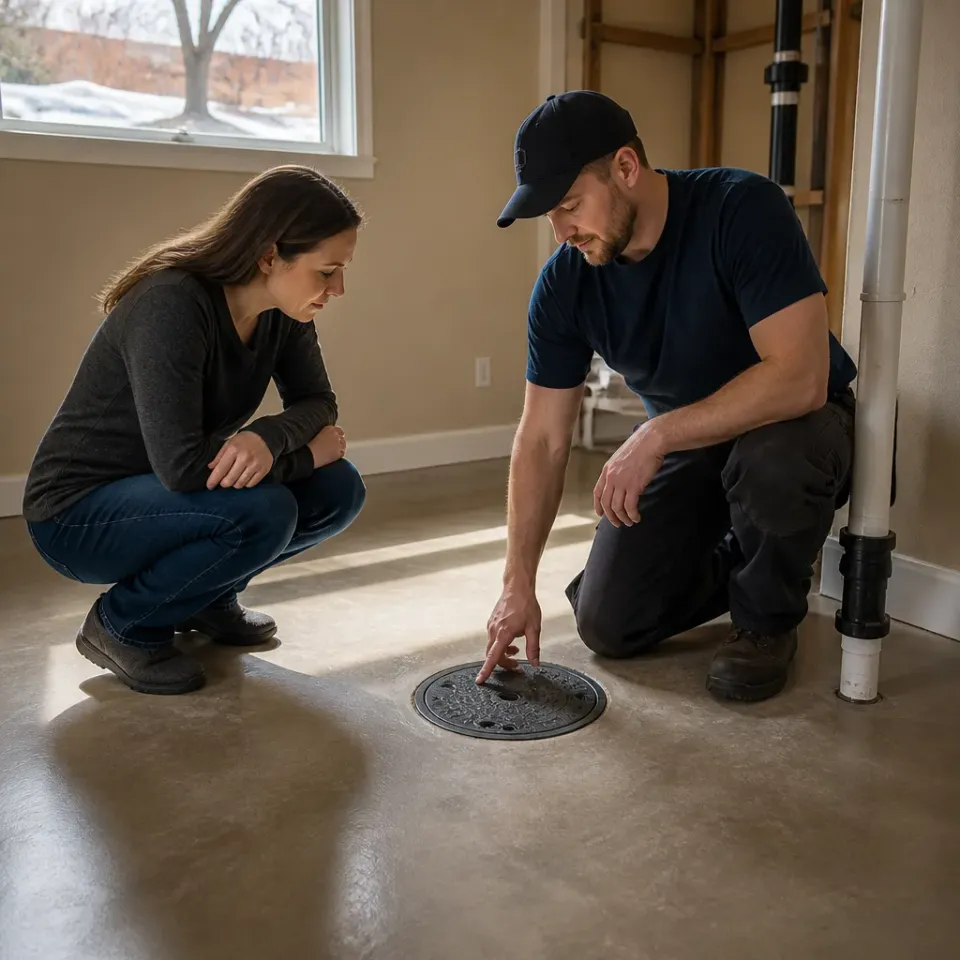
Before touching the cover, identify the product if possible and read its instructions. The chamber should be opened only when there is no active backup, heavy rainfall, or reason to believe the sewer is surcharged. If the water level around the valve is high, wastewater is visible, nearby floor drains are gurgling, or sewage odour is getting stronger, leave the cover in place and seek help. A loose chamber lid during a backup can become an escape point for contaminated water.
Make personal safety the priority. Do not reach into sewage, use household tools to force a flap, or expose electrical cords and equipment to standing water. If contamination has reached the floor, keep children and pets away and use appropriate protective equipment only if you are trained and the area is safe. If there is a risk of electrical contact, do not enter the water; contact emergency services or a qualified professional as appropriate.
Federal flood-prevention information recommends accessible inspection chambers and professional installation. Ottawa's protective-plumbing information also emphasizes that devices require maintenance. These are not instructions to dismantle a specific product: design, lid, locking mechanism, and recommended procedure vary by manufacturer. Follow the exact product manual, and if you cannot identify the valve or its condition, let a plumber handle the inspection.
A homeowner's visual check—without taking risks
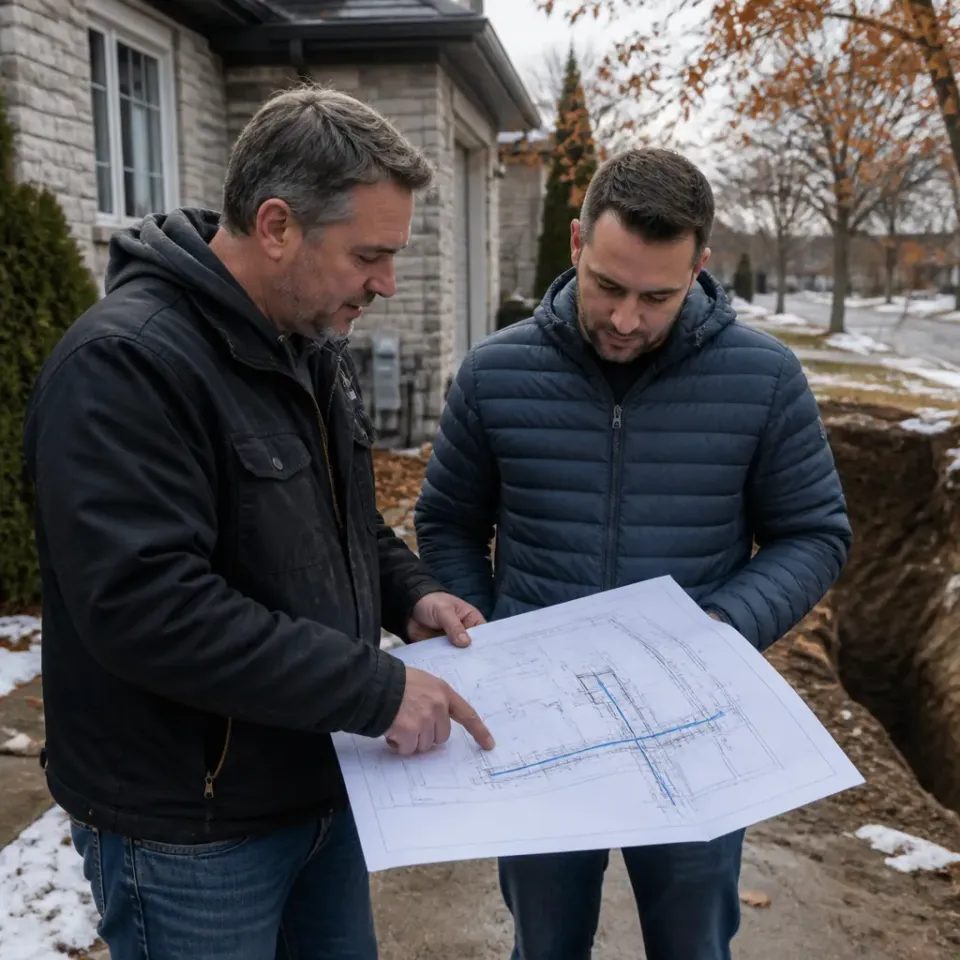
A simple visual check is not a substitute for service, but it can help spot access problems early. First, locate the valve cover and confirm that it is not sealed under flooring, hidden behind built-ins, or blocked by storage. The cover should be secure and identifiable. If you do not know where the valve is, check renovation records, ask the previous owner or property manager, or have a plumber locate it rather than cutting into a floor.
When the manufacturer permits a visual check and conditions are clearly dry and normal, note whether the cover is cracked, displaced, corroded, or surrounded by signs of leakage. Do not remove a bolted, sealed, or unfamiliar cover. Do not operate the gate, pour chemicals into the chamber, or use a pressure washer. Keep wipes, fats, oils, grease, and other non-flushable materials out of the drainage system; reducing what reaches the valve can limit debris that might interfere with its movement.
Document what you can see from outside the chamber: date, recent backup events, unusual odours, gurgling drains, slow fixtures, and any water marks. Photograph the cover and surrounding area for your records. If the cover is damaged or there is a persistent smell, note whether it occurs after laundry, showers, or rainfall. These observations help a plumber distinguish a maintenance issue from a blockage or another source of basement water.
Identify the access point
Use plans, labels, or a plumber's help; never guess by cutting a finished floor.
Choose a safe time
Only consider a permitted visual check in dry, normal sewer conditions—not during heavy rain or a backup.
Look for external warning signs
Check from the outside for a damaged cover, surrounding dampness, odour, or obstruction of access.
Record observations
Write down dates, symptoms, fixtures affected, and weather; this helps target professional diagnosis.
Arrange service if uncertain
Leave unfamiliar lids, contamination, stuck parts, and suspected failure to a qualified professional.
When to book professional backwater valve service
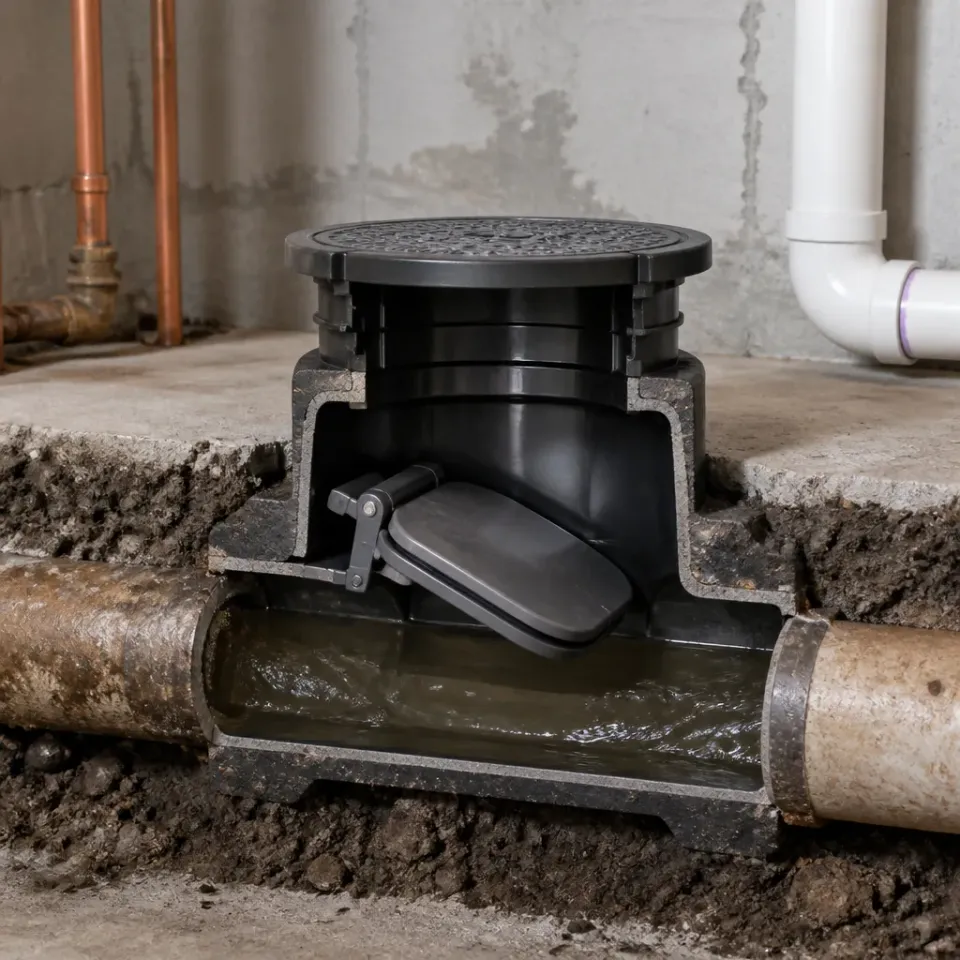
Schedule service if the gate looks obstructed, the valve has not been inspected within the manufacturer's recommended interval, the access cover is damaged, or the basement has had a sewer backup. A plumber can identify the model, inspect the chamber, assess whether the flap moves and seats properly, remove appropriate debris, and evaluate the connected piping. The technician can also confirm that the access point remains serviceable after flooring or renovation work.
Professional assessment is especially useful when symptoms repeat. Several slow drains, gurgling toilets, or water appearing at a floor drain can signal a main-line restriction, but they can also have other causes. A sewer camera inspection and root-intrusion guide explains why a recurring backup deserves investigation beyond repeatedly clearing one fixture. If the source is a blocked or damaged lateral, cleaning or repair may be needed alongside a functioning backwater valve.
Following a sewer event, ask the technician what caused the valve to close, whether it reopened, whether debris or damage was present, and whether the sewer-side condition has been resolved. Do not assume the flap is working simply because the water receded. Ask for the findings in writing and request photos if the work involves an inaccessible chamber or buried pipe. If the valve is damaged or not appropriate for the connection, compare the recommended repair and replacement scope.
Warning signs that call for prompt attention
A backwater valve rarely announces a problem with a single unmistakable symptom. The following signals deserve attention, particularly when multiple fixtures are affected or symptoms coincide with heavy rain:
| Observation | Possible concern | Safer next step |
|---|---|---|
| Water or sewage at a basement floor drain | Sewer backup, surcharge, or downstream blockage | Stop using connected fixtures; avoid opening the chamber and call a plumber. |
| Several drains gurgle or slow together | Restriction in a shared branch or building drain | Arrange diagnosis rather than treating each fixture as an isolated clog. |
| Valve cover leaks, shifts, or smells strongly | Damaged seal, loose cover, or contaminated chamber | Keep the area clear and request professional inspection. |
| Valve appears closed after an event | Reverse flow may have shut the gate; it may also be obstructed | Do not force it open; minimize water use until the cause is checked. |
| Recurring backups after cleaning | Root intrusion, pipe damage, or persistent sewer-side issue | Ask whether camera inspection or lateral repair is warranted. |
If sewage has entered finished rooms, do not focus on cleaning the valve first. Limit contact with contaminated water, protect people and pets, and contact an appropriate cleanup professional and your insurer. Photograph the damage where safe, retain receipts and service records, and follow the insurer's directions. Coverage and claim requirements vary by policy.
What to do during a suspected sewer backup
If wastewater is coming up through a floor drain or lower fixture, stop using toilets, sinks, dishwashers, washing machines, and showers that may drain through the affected line. Continued discharge can add water to a system that is already blocked or held back by a closed valve. Do not open the valve chamber to check it while water is backing up; the cover may be retaining sewage.
Keep people and animals away from contaminated areas. If electrical equipment or outlets may be in contact with water, do not step into the water to reach a breaker. Follow emergency safety advice and use a qualified electrician or emergency service when needed. Call a licensed plumbing professional to determine whether the issue is a blockage, a closed valve, or a problem outside the property. If you need urgent help, our Ottawa emergency plumbing page outlines the next step.
Once the immediate event is under control, ask for a written explanation of the cause and the work completed. Find out whether the valve is functional, whether it needs cleaning or repair, and whether the underlying sewer condition could recur. A single clearing may restore flow without addressing damaged piping or root intrusion. Keep a timeline of weather, symptoms, plumbing use, and service visits; repeat patterns may help identify a larger system issue.
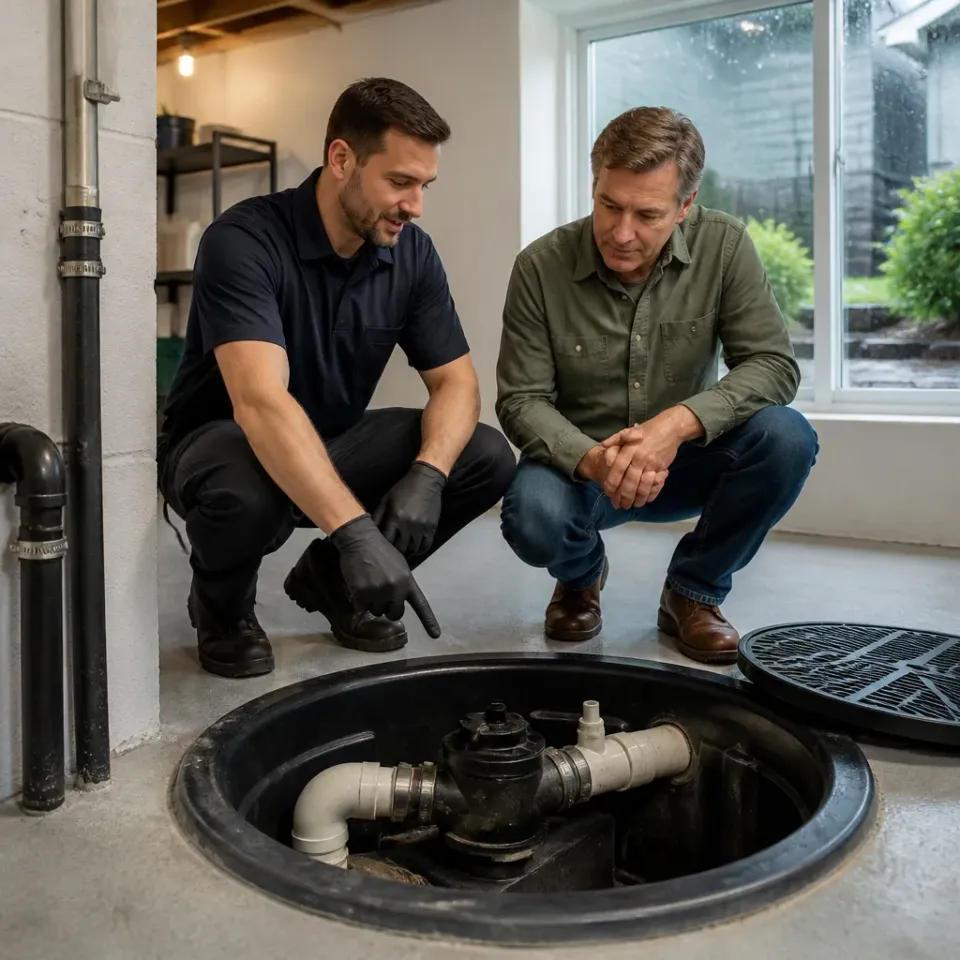
What affects backwater valve inspection and repair cost?
The phrase “backwater valve service” can mean a brief accessible inspection, cleaning a chamber, troubleshooting a stuck gate, replacing a worn assembly, or cutting into a concrete floor to reach a buried connection. These are different scopes, so a single online price is unlikely to represent a particular Ottawa home. Access, valve model, pipe material, contamination, previous repairs, and whether the sewer lateral is damaged can all change the work.
Ask whether the visit includes travel, inspection, cleaning, testing, photos, and a written report. If repair is proposed, ask which part failed, whether the valve can be serviced, what the manufacturer recommends, and whether replacement is necessary. If the floor must be opened, clarify concrete cutting, dust containment, debris removal, inspection scheduling, patching, finish flooring, and how a removable access cover will be preserved.
When comparing estimates, make sure each quote is based on the same assumed work. Ask which items are fixed and which depend on concealed conditions, such as a damaged pipe or unexpected branch. Request approval before work expands beyond the written scope. A useful quote explains what the plumber will test after service and what warranty applies to labour, equipment, and any separate sewer repair.
A contractor who promises a precise total without asking about the valve, access, or symptoms may be guessing. Share the model label if it is visible, a photo of the cover, the home's age if known, and the dates and locations of prior backups. Do not remove a cover to get a photo if conditions are unsafe. A concise, accurate description can help the office recommend the right visit and equipment.
Questions to ask an Ottawa plumber before booking
A clear conversation helps you understand whether the technician is inspecting, cleaning, repairing, or replacing the valve. Use questions like these when requesting a quote:
- Are you inspecting the valve and the surrounding building drain, or only clearing a current blockage?
- Will you identify the valve make and model and follow its manufacturer instructions?
- Does this visit include cleaning, operational checks, photographs, and written findings?
- What symptoms would make a sewer camera inspection or lateral repair appropriate?
- If you recommend replacement, what is damaged or non-compliant, and what alternatives exist?
- Are permits or inspections applicable to the proposed work, and who confirms them with Ottawa?
- What should I do if the valve closes during a storm, and which household fixtures does it protect?
Look for explanations that are specific to the property, not broad assurances. A professional should identify uncertainties, explain what is within the quote, and avoid promising that the device will prevent all flooding. Ask for insurance and qualification details as appropriate, and make sure the access chamber remains serviceable after any flooring or repair work.
Where recurring drainage issues are involved, a plumber may recommend inspecting the sewer line, especially if roots or a structural defect are suspected. Our annual Ottawa plumbing inspection checklist covers other systems worth reviewing in the same maintenance visit. A combined assessment can make the next steps clearer without assuming that every symptom has a single cause.
Create a practical maintenance plan
The best schedule is tied to the actual valve and property. Record the manufacturer, model, installation date if known, service dates, and maintenance directions. Ask the installer or an experienced plumber how often the gate should be checked, whether the unit is serviceable, and which tasks homeowners may safely perform. Some systems require professional attention; don't assume an online generic procedure applies to the exact assembly in your floor.
Make sure every adult in the home knows where the access cover is, what it protects, and why it must not be opened during heavy rain or a backup. Keep furniture and storage away from the cover. When a finished basement is renovated, show the plans to the contractor and confirm that new floor layers do not make the chamber inaccessible. If a new bathroom, laundry, or floor drain is added, review the revised drainage layout with a qualified professional.
After service, retain invoices and ask for the inspection findings in plain language. If the plumber identifies debris, wear, or an obstruction, note what was corrected and when follow-up is recommended. If the cause remains uncertain, ask what evidence would help resolve it—such as a camera inspection, sewer-side test, or review of the property drainage. A record turns a series of frustrating emergencies into useful diagnostic history.
Build a broader Ottawa basement protection plan
A backwater valve addresses sewer reverse flow, but basement protection has several parts. A sump pump handles groundwater collected at the foundation; keep its pit clear, test the float according to the product instructions, and understand what happens if power fails. Maintain eavestroughs and downspouts, direct roof runoff away from the foundation where local rules and site conditions permit, and check that window wells and exterior drains are not blocked. These measures reduce different pathways and cannot be swapped freely.
Keep insurance questions separate from plumbing claims. Ask your broker what the policy says about sewer backup, sump overflow, groundwater, and overland water. Confirm limits, deductibles, exclusions, and any documentation expected for protective devices. A valve inspection record is useful, but it does not guarantee coverage. Review the policy before a wet-weather event rather than trying to interpret it while dealing with a flooded basement.
To plan a new installation or a more detailed condition assessment, read our companion Ottawa backwater valve installation guide. You can also review Lister Plumbing's backwater valve service for Beacon Hill homeowners as an example of the information to discuss with a provider; confirm recommendations against your own plumbing layout and Ottawa's current permit process.
If a backup is active or sewage has reached the basement, stop using connected fixtures and get help promptly. For a non-emergency, collect photos, model details, and a concise history of symptoms before booking. A qualified plumber can explain the condition of the valve, whether the sewer lateral needs separate attention, and which practical steps offer the most benefit for this specific Ottawa property.
If you need urgent diagnostics or repairs, contact Ottawa emergency plumbing experts and explain whether sewage is actively backing up, which fixtures are affected, and whether the valve access point is known.