Key Takeaways
- The single most important action in any plumbing emergency is stopping the water — know where your main shut-off valve is before you ever need it.
- Burst pipes, sewer backups, and gas water heater leaks are the three emergencies that cause the most damage and the most danger in Ottawa homes.
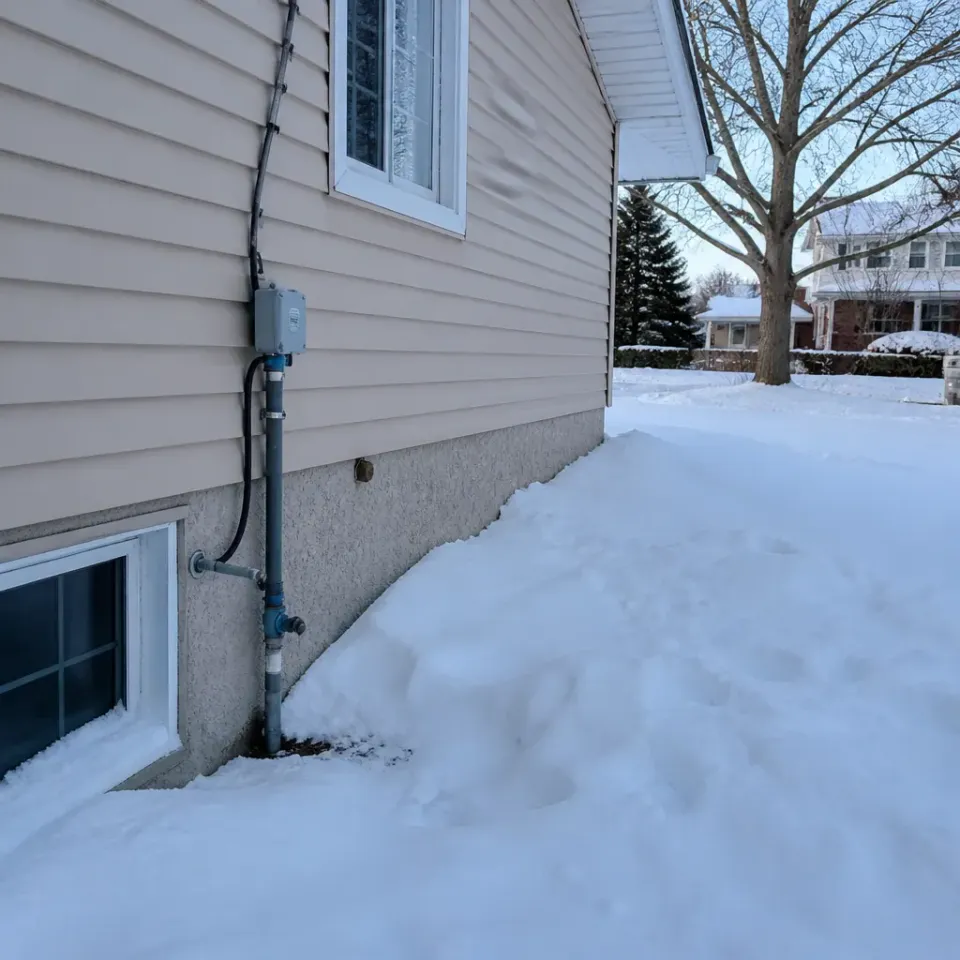
- Ottawa's January deep freezes and spring snowmelt create a distinct emergency season — frozen pipes in winter, basement flooding in spring.
- Water damage becomes serious within minutes and mould can begin within 24 to 48 hours, so fast response beats a slow one every time.
- Document everything with photos and video, and confirm your insurance includes sewer backup and overland flood coverage before you need it.
What Counts as a Plumbing Emergency
Not every plumbing problem is an emergency. A dripping tap, a running toilet, or a slow drain can usually wait until morning without causing real harm. But some problems escalate the moment you notice them, and the difference between a quick fix and a five-figure insurance claim often comes down to how quickly you act. As master plumbers working across Ottawa, we see the same pattern every winter and every spring: homeowners who recognized the warning signs and shut off the water in time, and those who waited a few hours too long.
A plumbing emergency is any situation that threatens your safety, your health, or your property and cannot safely wait for regular business hours. That includes anything actively flooding your home, anything releasing sewage or gas into your living space, and anything that leaves you without water in the middle of a cold snap. When any of these strike, the clock is running, and knowing exactly what to do first is what protects your home.
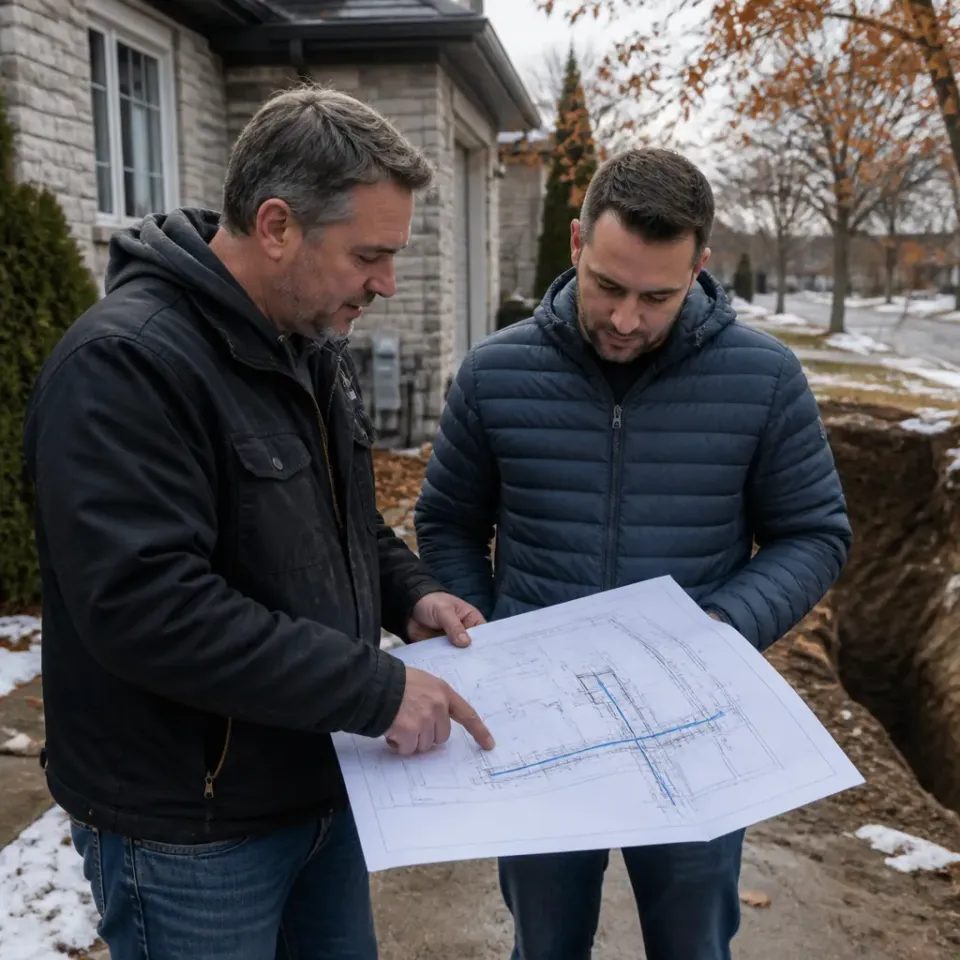
This guide walks through the fifteen emergencies we tell every Ottawa homeowner to take seriously, from the obvious burst pipe to the quiet slab leak that hides behind a wall for weeks. For each one, you will learn why it is urgent, the immediate first steps to take, and the damage risk if you wait. If you are dealing with a live emergency right now, our emergency plumber service is available around the clock.
First Response: What to Do in the First 5 Minutes
When water is spreading across your floor, panic is the enemy. The first few minutes decide how bad the damage will be, and a calm, ordered response makes all the difference. Whatever the specific emergency, this sequence applies to almost every one of them.
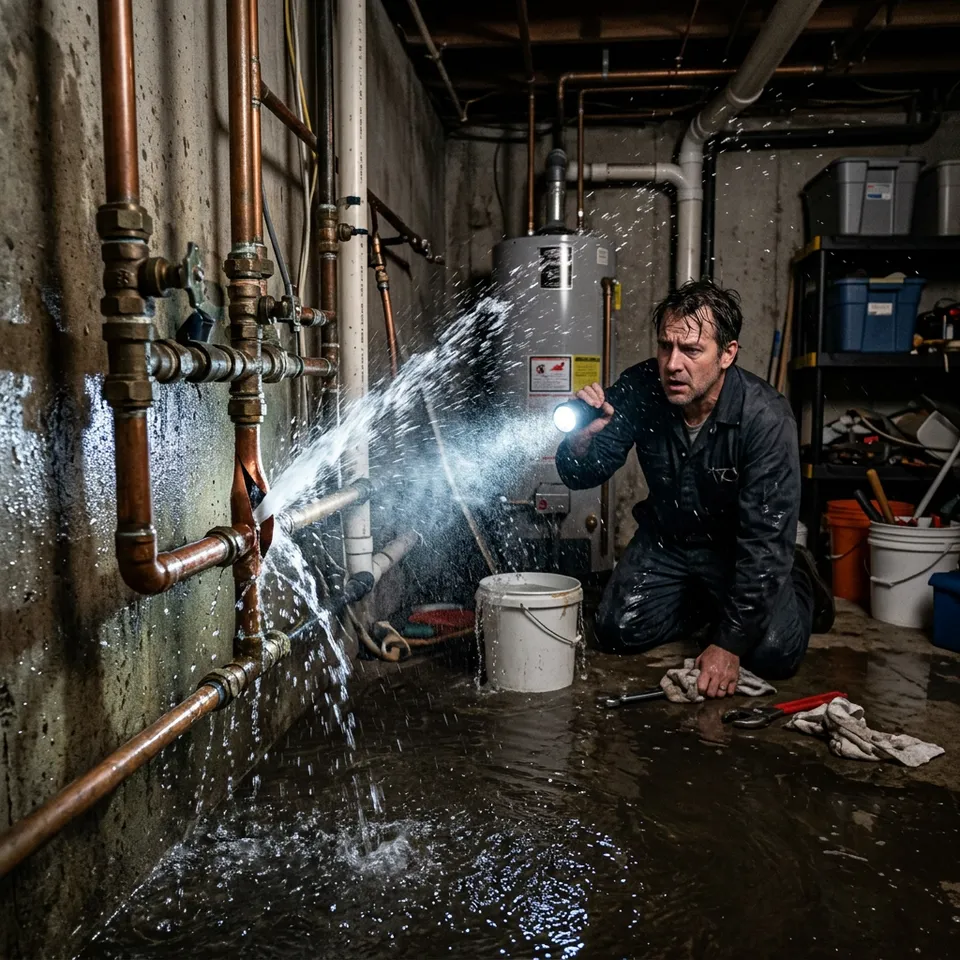
Shut off the water
Close the main shut-off valve for a whole-home flood, or the local fixture valve for a contained leak. Turning off the water stops the source and instantly limits the damage. This is always the first and most important step.
Cut the power where water is present
If water is pooling near electrical outlets, a panel, or appliances, turn off the electricity to that area at the breaker before you step into the water. Water and electricity together are a life-threatening hazard.
Contain and drain
Open the lowest faucets in the house to drain remaining water from the pipes and relieve pressure. Use towels, buckets, and a wet/dry vacuum to contain the spread, and move furniture and valuables out of the wet zone.
Document everything for insurance
Before you clean up, take clear photos and video of the source, the water, and every affected item and surface. Timestamped documentation is what protects your claim. Only then begin drying and mitigating.
Call an emergency plumber
With the water off and the scene documented, call a licensed 24-hour plumber. Describe what happened, what you have shut off, and what you are seeing so they arrive ready to fix the problem.
Know Your Shut-Offs Before You Need Them
The most valuable thing you can do today, before any emergency, is find and test your shut-off valves. In most Ottawa homes the main water shut-off valve sits in the basement near the front foundation wall, close to where the municipal supply enters and beside the water meter. It may be a lever (a quarter turn to close) or a round wheel (turn clockwise until snug).
Where is my main water shut-off valve?
Follow the pipe from your water meter back toward the street; the main valve is on that line. In homes on private wells, the shut-off is typically near the pressure tank rather than a municipal meter. Once you have found it, turn it fully closed and open once so you know it works, then leave it open. A valve that is seized or corroded will not save you in a crisis, and a failing main shut-off is itself worth an urgent service call.
Fixture and appliance shut-offs
Every toilet has a small shut-off valve on the supply line behind it, and most sinks have them underneath. Your water heater, dishwasher, and washing machine each have their own valves too. Knowing which one to close lets you isolate a single leaking fixture without shutting down water to the entire house. Walk your home once and locate each valve, then show the rest of the household where they are.
The 15 Emergencies You Should Never Ignore
Here are the fifteen plumbing emergencies we urge every Ottawa homeowner to treat with urgency. For each, we cover why it is urgent, the immediate first step, and what is at stake if you wait.
1. Burst pipe
A burst pipe is the emergency that causes the most dramatic damage. A single split line can release hundreds of litres an hour, soaking floors, ceilings, and walls in minutes. First step: shut off the main valve, then drain the lines and cut power to wet areas. The damage risk is enormous — an unattended burst overnight can flood an entire finished basement. Our burst pipe repair team responds around the clock.
2. Frozen pipes
A frozen pipe is a burst pipe waiting to happen. Ice expands and pressurizes the line until it splits, often at a joint or in an exterior wall. First step: shut off the water, open the affected faucet, and warm the pipe gradually with a hair dryer or heat lamp — never an open flame. If you cannot locate or safely thaw the pipe, call for frozen pipe repair before it ruptures.
3. Sewer backup
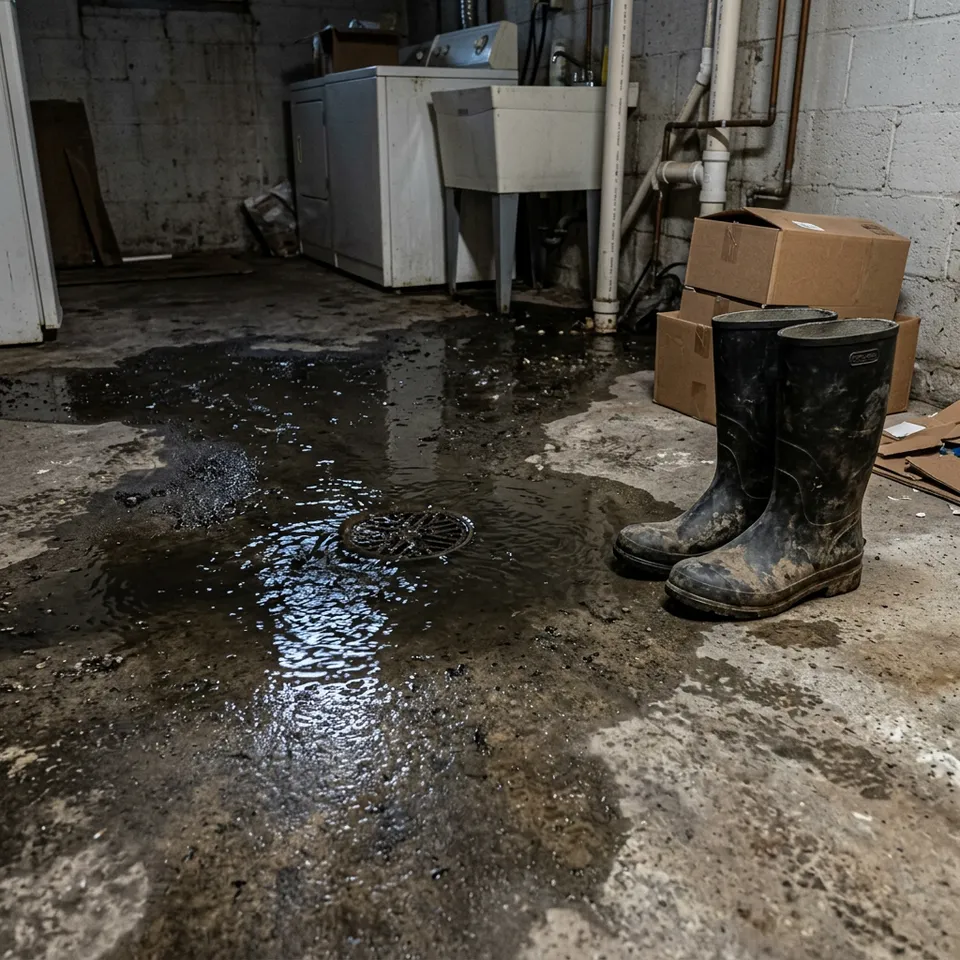
Raw sewage rising into a basement floor drain, tub, or toilet is a health hazard, not just a mess. First step: stop all water use in the home and keep people and pets away from the contaminated area. Sewage carries bacteria and pathogens, so professional clearing and restoration are essential. This is one of the costliest and most disruptive emergencies an Ottawa home can face.
4. Sump pump failure during snowmelt
During a spring melt or heavy rain, a failed sump pump lets groundwater rise straight into your basement. First step: check the pump's power and float switch, confirm any battery backup engages, and remove valuables from the floor. A dead pump during a fast Ottawa melt can flood a finished basement in hours. A sump pump service keeps yours reliable.
5. Water heater leaking or no hot water in winter
A leaking tank can flood a utility room, and no hot water in a January cold snap is more than an inconvenience. First step: close the water heater's shut-off valve and, for an electric unit, cut its breaker; for gas, set it to pilot. A tank that is actively leaking from the body is failing and needs replacement, not repair. See our water heater repair service.
6. Gas smell at the water heater
A rotten-egg or sulphur smell near a gas water heater signals a possible gas leak — a life-safety emergency. First step: do not touch switches or create sparks, leave the house, and call your gas utility's emergency line and 911 from outside. Only after the utility declares the area safe should a licensed technician inspect the unit. Never try to find a gas leak yourself.
7. Overflowing toilet
A toilet that keeps rising toward the rim can spill contaminated water across the floor and down into the room below. First step: lift the tank lid and push the flapper closed to stop the flow, then close the shut-off valve behind the toilet. If multiple fixtures back up at the same time, the problem is in the main line, not the toilet.
8. Main shut-off valve failure
If your main valve will not close when you need it, you have lost your primary defence against flooding. First step: if you cannot stop the water at the main, you may need the municipality to shut the supply at the street. This is why testing the valve in advance matters so much. A failing main shut-off should be replaced before it fails during a real emergency.
9. Hidden slab or wall leak
Not every emergency announces itself with a flood. A leak inside a wall or beneath a slab can run for weeks, rotting framing and feeding mould. First step: watch for unexplained damp spots, warm patches on floors, a spiking water bill, or the sound of running water with everything off, and call for leak detection. The longer a hidden leak runs, the more it costs to repair.
10. Backflow event
Backflow is when contaminated water reverses direction into your clean supply, often during a pressure drop. First step: stop using water and call a plumber to inspect the backflow preventer. Contaminated drinking water is a genuine health risk, and a failed or missing backflow device needs immediate professional attention.
11. No water during a deep freeze
If you turn on a tap during an Ottawa cold snap and nothing comes out, a supply line has almost certainly frozen. First step: leave the faucet open, check for the frozen section along exterior walls and unheated spaces, and begin gentle thawing. A frozen line under pressure can rupture without warning, so treat lost water in extreme cold as a burst-in-progress.
12. Leaking supply lines
The flexible supply hoses feeding toilets, sinks, dishwashers, and washing machines fail more often than people expect, and a burst washing machine hose can flood a room in minutes. First step: close the fixture's shut-off valve and mop up. Replace aging braided or rubber supply lines proactively; they are inexpensive compared to the flood they can cause.
13. Floor drain backup
Water welling up from a basement floor drain is an early warning of a blocked main sewer line. First step: stop using upstairs fixtures immediately, because every flush and every load of laundry adds to the backup. A prompt drain cleaning or camera inspection finds the blockage before sewage reaches your finished space.
14. Well pump failure
For homes on private wells in areas like Greely, Manotick, and the rural fringe, a failed pump means no water at all. First step: check the pump breaker and pressure tank, and if the system is dead, call a plumber who services wells. A well pump failure in winter is doubly urgent because a home without water cannot keep pipes safely flushed.
15. Water hammer and banging pipes
A loud bang when a tap or appliance valve closes is water hammer — moving water slamming to a stop. First step: if it is chronic and violent, treat it seriously, because repeated shock loosens joints and can eventually cause a leak or burst. A plumber can recharge the air chambers or install arrestors to absorb the shock before it damages your system.
Winter in Ottawa: Frozen & Burst Pipes
Ottawa's winters are among the coldest of any major Canadian city, and January routinely brings stretches where the temperature sits well below minus twenty. That deep cold is exactly what turns a minor vulnerability into a full-blown emergency. When water inside a pipe freezes, it expands with tremendous force, and the pressure builds between the ice plug and the closed tap until the pipe wall splits.
The pipes most at risk run through unheated or poorly insulated spaces: exterior walls, garages, crawl spaces, attics, and along uninsulated foundation walls. Homes in newer developments such as Barrhaven, Kanata, Stittsville, and Findlay Creek can be caught out when a rarely used bathroom or basement bar sink sits against an outside wall. Older homes in Centretown, Westboro, and Vanier face a different problem — original plumbing routed through drafty walls with little insulation by modern standards.
How do I stop pipes from freezing?
Insulate exposed pipes with foam sleeves, seal drafts and gaps where cold air reaches plumbing, and keep your furnace running even when you travel. On the coldest nights, let a pencil-thin trickle of water run from the faucet farthest from your main, since moving water is far harder to freeze. Open the cabinet doors under sinks on exterior walls so household heat can reach the supply lines, and always disconnect and drain garden hoses before the first hard frost.
If you do lose water at a tap during a freeze, do not assume it will simply thaw on its own without consequence. Open the faucet, locate the frozen section, and warm it gently. If the pipe has already burst, you may not know until the thaw releases the water — which is why a supply line that suddenly goes dry in extreme cold deserves an immediate response.
Spring Snowmelt & Basement Flooding
If winter is the season of frozen pipes, spring is the season of basement flooding. As Ottawa's deep snowpack melts, often over just a few warm days and combined with spring rain, the ground becomes saturated and the water table rises. Communities near the rivers and low-lying areas — Riverside South, Beacon Hill, parts of Orleans and Gloucester, and older Nepean and Alta Vista basements — feel it most acutely.
Your sump pump is the hero of this season. It sits in a pit at the lowest point of the basement and pumps rising groundwater away from the foundation. During a fast melt it can run almost continuously, and that is exactly when a worn-out pump, a stuck float switch, or a power outage becomes a flooding emergency. A finished basement can take on centimetres of water in a matter of hours when the pump quits at the wrong moment.
Pre-melt sump pump checklist
- Test the pump by pouring water into the pit until the float rises and confirming it kicks on and empties promptly.
- Check the discharge line is clear and directs water well away from the foundation, not back toward it.
- Install a battery backup so the pump keeps running through the power outages that often accompany spring storms.
- Clear the pit of debris and gravel that can jam the float switch.
- Confirm the age of the pump — most last seven to ten years, and a decade-old pump should be replaced before melt season, not during it.
A little preparation in early spring prevents the most common seasonal emergency we respond to. If your basement has flooded before, it is worth having the drainage, backwater valve, and sump system professionally assessed.
Sewer Backups & Aging Infrastructure
Sewer backups are among the most serious and unpleasant plumbing emergencies, and Ottawa's mix of old and new neighbourhoods makes them a recurring problem. When the main line that carries waste out of your home becomes blocked, sewage has nowhere to go but back up through the lowest openings — floor drains, basement toilets, and tubs.
Why older Ottawa neighbourhoods are prone to backups
Many established areas such as the Glebe, Westboro, Alta Vista, and older parts of Nepean still have clay or cast-iron sewer laterals installed decades ago. These aging pipes crack, sag, and separate at the joints over time. Combined with the large, mature trees that make these neighbourhoods so appealing, the result is a magnet for trouble: tree roots seek out the moisture and nutrients inside sewer lines and grow through the smallest cracks, gradually choking the pipe until it backs up.
The warning signs come before the flood. Watch for gurgling toilets, drains that empty slowly throughout the house, water backing up in a tub when you flush, and a faint sewage odour. If you catch these signs early, a camera inspection can locate the root intrusion or damaged section before it becomes a basement full of sewage. For confirmed damage, our sewer line repair crews handle everything from spot repairs to full line replacement.
A backwater valve, which the City of Ottawa encourages and sometimes subsidizes, is one of the best protections against sewer backups during heavy storms, since it prevents municipal sewer water from flowing back into your home.
Gas Water Heater Leaks: A Life-Safety Emergency
Of every emergency on this list, a suspected gas leak is the one that stands apart. A leaking gas line or a faulty gas water heater is not a water-damage problem — it is a fire, explosion, and carbon monoxide risk that puts lives at stake. Natural gas is odourless, so utilities add a distinctive rotten-egg or sulphur scent to make leaks detectable. If you smell it near your water heater, treat it as a genuine emergency.
What to do if you smell gas
Do not create a spark
Do not turn light switches on or off, do not unplug anything, do not use a phone indoors, and do not light a match or flame. Any spark can ignite accumulated gas.
Get everyone out
Leave the house immediately with everyone inside, including pets. Leave doors open behind you to let gas dissipate, but do not stop to open windows if the smell is strong.
Call for help from outside
From a safe distance, call your gas utility's 24-hour emergency line and 911. In Ottawa, Enbridge Gas operates an emergency number for exactly this situation.
Wait for clearance
Do not re-enter until the gas utility confirms it is safe. Only then should a licensed plumber or gas technician inspect and repair the water heater or line.
A working carbon monoxide detector on every level of your home is essential when you have any gas appliance. Combustion problems in a gas water heater can release carbon monoxide, which is colourless and odourless, and the detector is often the only warning you will get. Test yours regularly and replace the batteries on schedule.
Water Damage by the Numbers
Water Damage by the Numbers
Water damage is consistently one of the most frequent and most costly categories of home insurance claim in Canada, according to the Insurance Bureau of Canada. The reason is speed. Unlike many household problems, a plumbing emergency does its worst work in the first hours, before you have even called for help. Water spreads across the floor within minutes, wicks up drywall and into baseboards within hours, and soaks insulation and subfloor within a day.
Mould compounds the problem. In damp organic materials, mould spores can begin to establish within twenty-four to forty-eight hours, which is why fast water extraction and drying are as important as the plumbing repair itself. A burst supply line that flows overnight can produce thousands of litres and turn a simple pipe repair into a full restoration project involving drying equipment, drywall replacement, and flooring. The single biggest lever you control is how quickly the water stops flowing — which brings every emergency back to that main shut-off valve.
Insurance, Documentation & Claims
Understanding your coverage before an emergency is one of the smartest things an Ottawa homeowner can do, because water damage coverage is more complicated than most people assume. Broadly, insurers distinguish between sudden and accidental damage and gradual damage from neglect.
What is typically covered — and what is not
A pipe that bursts suddenly and without warning is usually covered under a standard policy. A slow leak that has been dripping behind a wall for months, causing rot and mould, is often denied as a maintenance issue. Two of the most relevant risks for Ottawa homes — sewer backup and overland flooding from snowmelt or heavy rain — are frequently sold as separate endorsements, not included by default. Many homeowners discover this gap only after a spring melt fills the basement.
Protecting your claim
- Document before you clean — photograph and video the source, the water, and every damaged item and surface.
- Mitigate promptly — insurers expect you to stop the water and prevent further damage; failing to act can reduce a payout.
- Keep receipts for emergency repairs, drying equipment, and temporary accommodation.
- Contact your insurer quickly and follow their claims process, keeping notes of every conversation.
Review your policy now, ask specifically about sewer backup and overland flood coverage, and consider adding the endorsements if your home is at risk. The modest annual cost is trivial next to a basement restoration.
Emergency Plumbing Costs in Ottawa
Emergency work costs more than scheduled work because it happens fast, often after hours, and requires immediate mobilization. Here are realistic ranges for common Ottawa emergencies in 2026. Actual pricing depends on the severity, the access, the time of day, and how much damage has occurred.
| Emergency Service | Typical Cost (2026) |
|---|---|
| After-hours service call / diagnosis | $100 – $250 |
| Burst pipe repair | $500 – $2,000 |
| Frozen pipe thaw & repair | $300 – $1,200 |
| Sewer backup clearing | $300 – $900+ |
| Emergency water heater replacement | $1,800 – $4,000 |
| Sump pump replacement | $600 – $1,500 |
| Overflowing / blocked toilet clearing | $150 – $400 |
For a full breakdown of routine plumbing pricing, see our Ottawa plumbing cost guide. Remember that the plumber's bill is often the smallest part of an emergency — the water damage restoration behind it is where costs truly climb, which is why stopping the water fast pays for itself many times over.
When to Call a 24-Hour Plumber
Some problems can genuinely wait until morning. Others cannot. Call a 24-hour emergency plumber right away if you are facing any of the following:
- Active flooding from a burst pipe, failed valve, or overflowing fixture you cannot stop.
- Sewage backing up into a floor drain, tub, or toilet.
- A gas smell near the water heater — after you have evacuated and called the gas utility.
- No water at all during a deep freeze, which points to a frozen or burst line.
- A failed sump pump with water rising during snowmelt or a storm.
- A water heater leaking from the tank body or spraying from a connection.
When you call, describe what has happened, what you have already shut off, and what you are seeing. That lets the plumber arrive prepared with the right parts and equipment. Fast, professional response is what separates a manageable repair from a major loss, and it is exactly what a dedicated emergency plumbing service exists to provide. Homeowners across the region, from Barrhaven to the east end, rely on around-the-clock coverage when things go wrong. Our team works alongside the emergency plumbing experts at Plumbing Now to keep help available at any hour.
How to Prevent Ottawa Plumbing Emergencies
The best emergency is the one that never happens. Most of the disasters on this list can be prevented, or at least caught early, with a little seasonal attention. Ottawa's climate rewards homeowners who plan around its two demanding seasons.
Pre-winter checklist
- Insulate exposed pipes in the garage, crawl space, and against exterior walls before the first hard frost.
- Disconnect and drain garden hoses and shut off exterior hose bibs.
- Seal drafts near plumbing runs so cold air cannot reach the pipes.
- Service your water heater so you are not left without hot water in January.
- Know your plan for extreme cold — trickling taps, open cabinet doors, and steady heat.
Pre-spring checklist
- Test the sump pump and install a battery backup before the melt begins.
- Clear the discharge line and grade soil away from the foundation.
- Consider a backwater valve if you are in a backup-prone area.
- Have older sewer laterals inspected by camera if you have mature trees and recurring slow drains.
Year-round habits
Replace aging supply hoses on toilets, sinks, and appliances every few years, watch your water bill for unexplained increases that hint at a hidden leak, and address hard-water scale that accelerates corrosion in Ottawa's moderately hard water. An annual professional inspection ties it all together, catching small problems while they are still cheap to fix. If you are planning renovations, our bathroom renovation guide covers how to build resilience into new plumbing from the start.
Prevention is inexpensive, and awareness is free. Know your shut-offs, respect the two seasons, and act fast when something goes wrong — and you will keep the vast majority of plumbing emergencies from ever becoming a crisis.