Key Takeaways
- A site-specific plumbing inventory helps staff and contractors find shutoffs, cleanouts, equipment, and past repair records.
- Use a recurring inspection routine, but confirm any device-specific or by-law requirements with the City and a qualified professional.
- Ottawa's Sewer Use By-law sets grease-interceptor duties for certain food-preparation and food-waste premises that discharge to a sewer.
- Commercial backflow devices protect drinking water; backwater valves protect drainage lines. The terms are not interchangeable.
- A written work scope, permit plan, access schedule, and close-out record make it easier to control downtime.
Why Cumberland Businesses Need a Plumbing Plan
When a business searches for a commercial plumber in Cumberland, the immediate problem may be a leaking supply line or a drain that has stopped moving. For an owner, tenant, or property manager, the bigger question is how to restore service without losing track of who can shut off water, what equipment is affected, and what needs to be documented afterward.
A basic maintenance plan does not mean replacing equipment on a fixed timetable. It means knowing how the building is plumbed, watching for changes, and arranging the right inspection or repair before a small fault interrupts a shift, a tenant's day, or an operating kitchen. The details differ between a shop, office, restaurant, and multi-unit property, so a useful plan starts with the address and the actual system—not a generic checklist.
Cumberland businesses should also confirm whether the property is on municipal services or has private components, what parts of the system belong to the tenant or landlord, and who approves work. Those details affect where a contractor can isolate a problem and who must authorize changes.
Map the Plumbing Before There Is a Problem
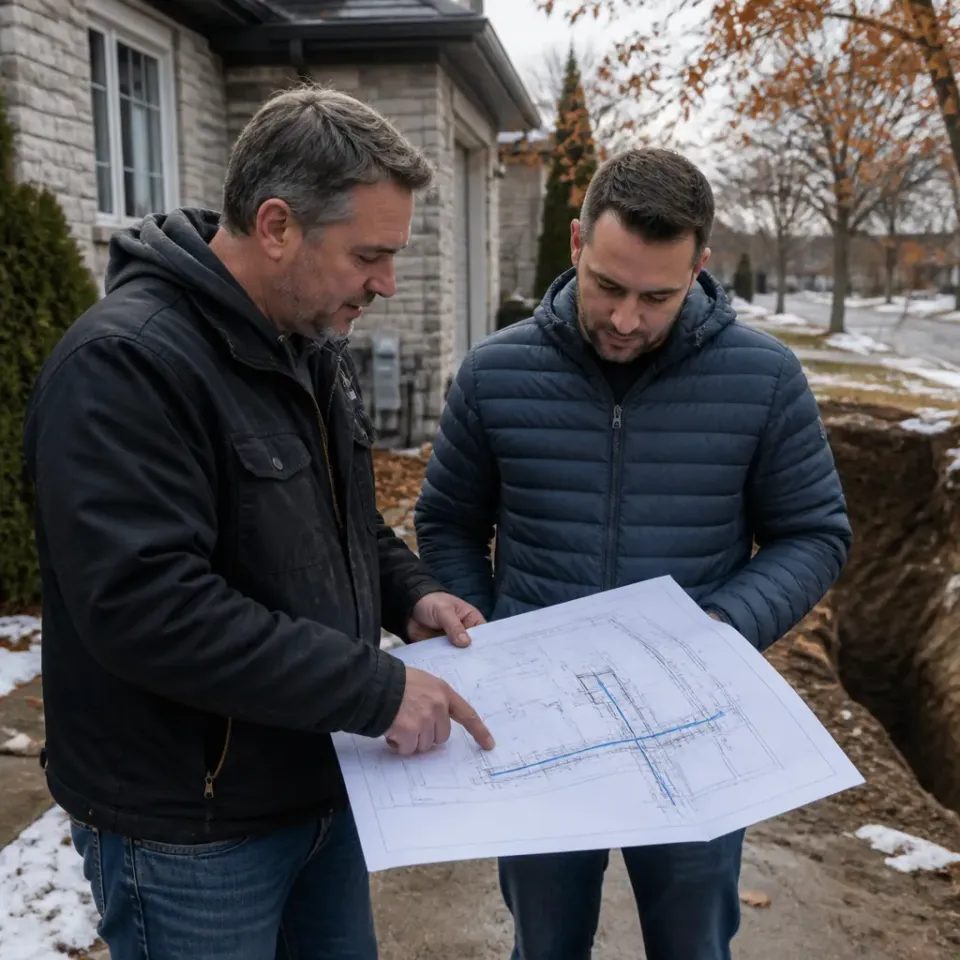
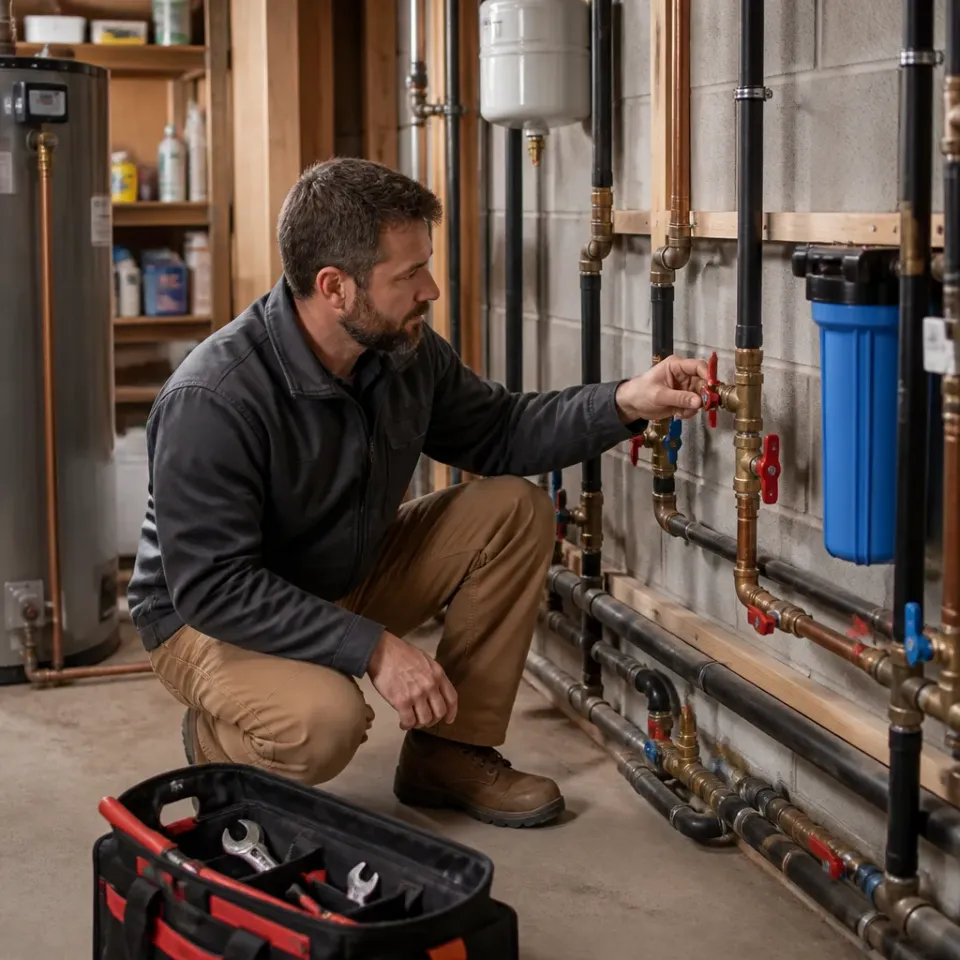
Make a simple building record that a manager can find quickly. Keep a digital copy with the maintenance log and a printed copy near the staff contact list. It does not need to be a professional drawing to be useful; it needs to identify the locations people may need during a leak or service call.
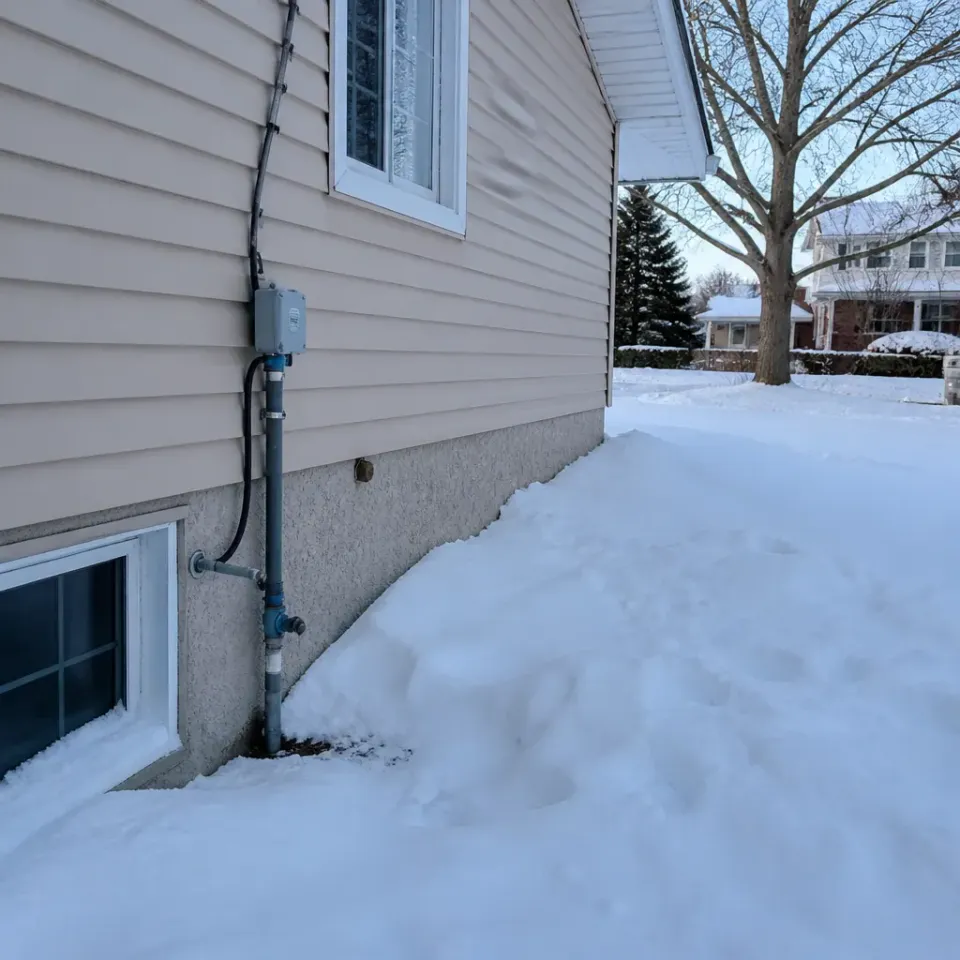
- Main and local shutoffs: note how to reach the building shutoff and any fixture or equipment isolation valves. Do not label a valve until someone has verified what it controls.
- Drains and cleanouts: record floor drains, accessible cleanouts, grease equipment, and areas that have backed up before.
- Hot-water equipment: record heater type, location, service access, and the name of the person who handles its maintenance.
- Water-protection devices: identify any registered backflow devices, backwater valves, sump equipment, alarms, and the latest inspection or service record.
- Contacts and access: list the person who can authorize work, after-hours entry instructions, utility contacts, and any areas that require an escort.
Ask staff to report recurring drips, odours, slow drains, unexpected changes in hot-water supply, or water appearing around equipment. A note should include the date, room, fixture, conditions, and whether the issue stopped or returned. That history helps a plumber distinguish an isolated clog from a pattern affecting a branch drain or shared building line.
For leased space, clarify in writing which work is the tenant's responsibility and which requires landlord approval. A tenant should not assume that a shutoff or cleanout serves only their suite; shared buildings can have common systems hidden behind walls or in service rooms.
A Practical Commercial Maintenance Calendar
Use a calendar as a reminder system, not as a substitute for the equipment manual, a qualified person's recommendations, or a City requirement. Adjust the checks to match use: a busy kitchen places different demands on drains than a small office with a kitchenette.
During routine opening or closing checks
Look for visible water around toilets, sinks, heaters, and mechanical equipment. Confirm floor drains are not obstructed by boxes or mats, listen for toilets or valves that continue running, and note unusual drain odours. Staff should report symptoms instead of removing access covers, adjusting equipment, or pouring chemicals into a drain.
At a planned monthly or quarterly review
Review incident notes and invoices for repeat repairs. Check that labelled shutoffs remain accessible, under-sink storage has not hidden a leak, and any alarm or backup equipment has a recorded test date. Inspect accessible piping for corrosion, dampness, loose supports, or signs of a past leak. The right interval depends on operating conditions; if a fixture is used heavily or has failed repeatedly, ask the contractor to recommend a shorter review cycle.
At the annual maintenance review
Gather service reports and confirm that required inspections for registered devices are current. Ottawa's backflow program describes annual inspections for devices registered with that program; the exact obligations and any device-specific follow-up should be checked against the City notice and qualified-person report. Review water-heater service, drain history, grease-interceptor maintenance where applicable, and any planned renovations that may require a permit or inspection.
An annual review is also a good time to set a budget range for known maintenance rather than waiting for an emergency. It is not a promise that nothing will fail. It gives managers a record of condition, outstanding recommendations, and the next action to schedule.
For a residential property or a home-based business, our Ottawa annual plumbing inspection guide covers the household version of a routine inspection.
Drain and Grease Control for Food Businesses
A recurring kitchen drain problem is not just an inconvenience. It can stop food preparation, create a slip risk, and require the area to be taken out of use while the cause is investigated. Staff practices help, but they do not replace a correctly selected, installed, and maintained interceptor where one is required.
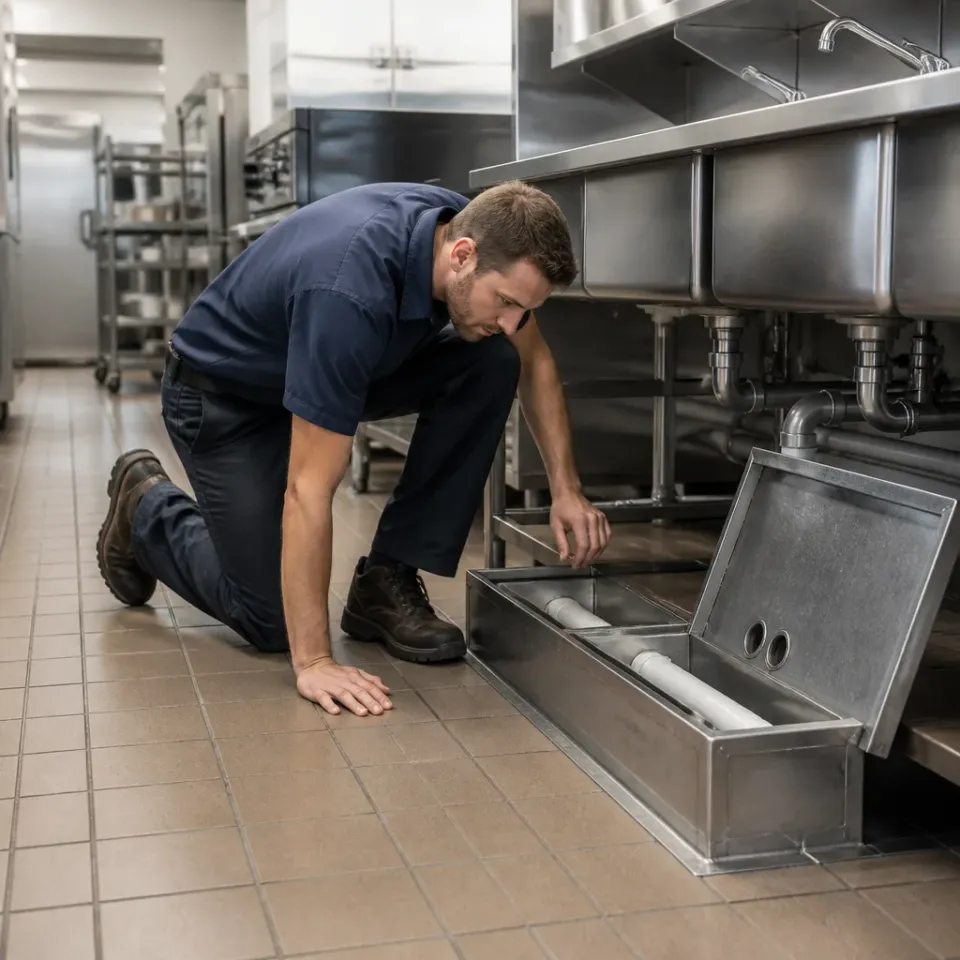
Ottawa's Sewer Use By-law addresses premises with commercial, institutional, or industrial food preparation—or food-waste generation—that discharge directly or indirectly to a sewer. The by-law sets duties around installing, operating, and maintaining food-waste, oil, and grease interceptors or traps, and keeping clean-out and disposal documentation. Confirm how the provisions apply to the particular premises and fixture layout; do not assume every business has the same equipment or schedule.
A practical kitchen routine includes:
- Train staff to scrape food solids into the correct waste stream and keep cooking oil out of sinks and floor drains.
- Keep interceptor lids and service access clear; do not cover them with storage, shelving, or equipment.
- Record each clean-out, who performed it, and how removed material was handled. Retain supporting invoices and disposal records.
- Call for assessment if drains repeatedly slow, odours return soon after cleaning, or several fixtures are affected at once.
Chemical drain cleaners are not a maintenance program. They may fail to clear a solid obstruction and can create handling hazards for staff or a technician. A contractor can inspect the accessible drain path, identify whether a local fixture line or shared branch is involved, and explain the safest next step. For an isolated sink or floor drain issue, see our Ottawa drain-cleaning service information.
Water Heaters, Backflow and Building Risk
Commercial hot-water demand can change with opening hours, occupancy, kitchen equipment, and cleaning routines. Record temperature or recovery complaints, visible leaks, unusual noises, and any change in how long hot water lasts. Do not adjust controls or bypass safety devices to keep a business operating; have the equipment assessed and document the recommended repair. A planned water-heater repair or service visit can also be coordinated around access needs.
Backflow protection is a separate issue. A backflow preventer protects the municipal drinking-water supply from reverse flow or back-siphonage through a cross-connection. The City of Ottawa's program sets requirements for certain service connections and registered devices, including qualified-person surveys and inspections. Ask the property manager for the latest device inventory, hazard assessment, test reports, and any City compliance notice.
A backwater valve is different: it is installed on a drainage line to limit sewage or stormwater from returning toward a building. Confusing the two can lead to a quote for the wrong problem. If a contractor recommends a device, ask which system it protects, where it will be installed, how access and testing work, and what follow-up documentation you will receive.
If a drain backs up, the number of affected fixtures matters. One sink may point to a local branch; several low-level fixtures, gurgling, or wastewater emerging at a floor drain can indicate a larger drainage issue. Stop using affected fixtures and arrange an assessment rather than repeatedly flushing or running water into a line that may already be full.
The company should explain its documented scope before work begins. If you need a registered-device check, ask whether the person will perform the applicable City reporting and whether the work is inspection, repair, or replacement. Ottawa's published backflow prevention information is a separate starting point from a sewer-backup or drain-cleaning call.
What to Ask a Commercial Plumber in Cumberland
A useful quote makes the work understandable to the person who approves it and the staff who will be affected. Before scheduling, share the site map, photos if available, hours of operation, access rules, and relevant inspection or service history. Then ask:
- What does the assessment include? Confirm whether the visit covers one fixture, a branch line, a main drain, or a device and its records. Ask what is excluded.
- Will the work require a permit or inspection? Ask who confirms the requirement, who applies, and who arranges any required inspection. City permit rules can depend on the scope, so do not assume a repair and a renovation are treated the same.
- How will interruption be managed? Identify the expected water shutoff, affected rooms, access route, noisy or odour-producing work, and when staff can return to the area.
- What is the written price structure? Ask for labour, parts, access or excavation allowances, disposal, permits, and possible extra work to be separated where practical. Request approval before the scope expands.
- What records will be delivered? For device work, ask for serial numbers, test results, inspection records, permit close-out, invoices, and operating instructions that belong in the building file.
- Who handles follow-up? Clarify whether the contractor returns for an inspection, files a report, or only completes the physical work. Put the responsible person and due date in the close-out note.
Before authorizing work, verify the contractor's trade qualifications, insurance, references for similar properties, and familiarity with any device-specific reporting that applies. A company should be able to explain its plan in plain language without promising that a general inspection will prevent every future failure. For commercial work, send the commercial inquiries team the property type and scope so the right questions can be addressed before a visit is scheduled.
Plan for a Leak or Service Interruption
A leak or sewer backup can happen outside normal hours. Assign a primary and backup contact who can enter the site, contact the landlord, approve urgent containment, and meet a contractor. Keep a current phone list with the shutoff map; an emergency plan that only one person can access may fail when that person is away.
- Tell staff where the nearest verified shutoff is and who is authorized to operate it.
- For active water escape, stop using the affected fixture and isolate the local supply only if it is safe and the valve is known.
- For a suspected sewer backup, stop discharging water to the affected line and keep people away from contaminated water.
- Protect nearby electrical equipment and stock; do not enter standing water where electrical hazards may be present.
- Photograph the condition, note the time, and preserve invoices and reports for the property record.
When comparing a local provider, use Plumbing Now's Cumberland plumber service-area page to confirm whether the address and type of commercial work fit its current coverage. Ask directly about the scope, scheduling, permits, and documentation your property needs; do not rely on a general service-area statement as confirmation of a particular capability or response time.